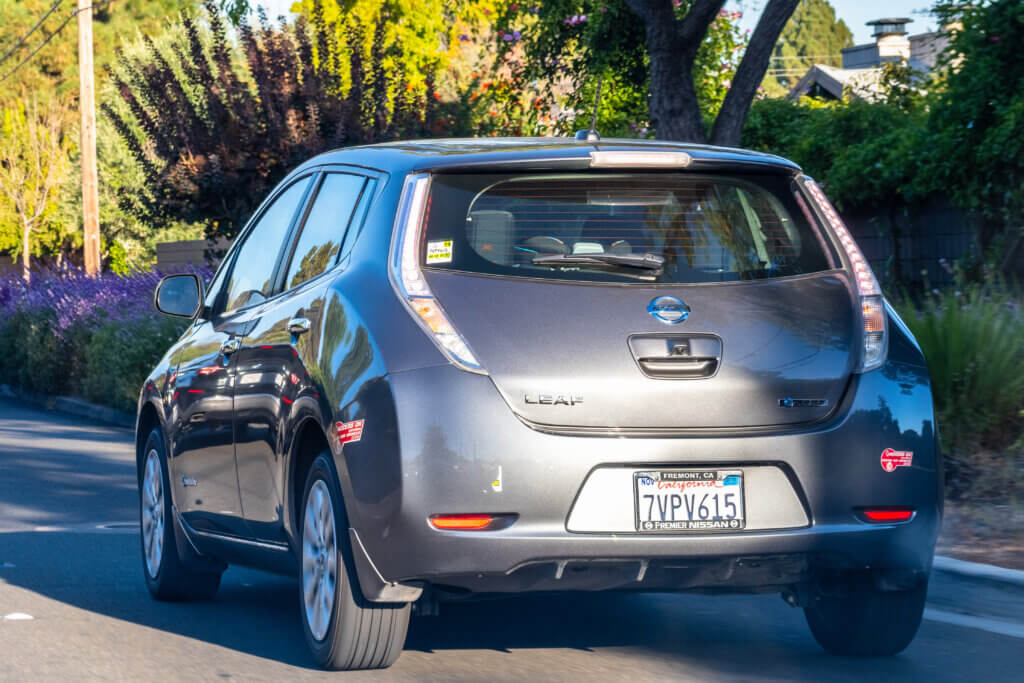
Backing up a vehicle involves risk. Whether in a driveway, parking lot, or onto a public street reversing accidents often lead to collisions with cars, pedestrians, bicycles, or fixed objects. California law places special responsibilities on drivers when backing up and liability frequently falls on the reversing driver but it is not automatic.
What Causes Backup Accidents
- Not checking mirrors or blind spots thoroughly
- Obstructions such as tall vehicles, trees, parked cars, or other objects restricting view
- Reversing too fast to react in time
- Busy or crowded areas where pedestrians or other vehicles may pop up unexpectedly
Key California Laws to Know
- California Vehicle Code requires drivers to back up only when it is safe and to yield to pedestrians and other traffic that has the right of way
- Drivers must avoid reckless or careless maneuvers when reversing
How Fault Is Determined
- The reversing driver has heightened duty to ensure the way is clear before moving backward
- Because of that duty there is often a presumption of fault for the driver who was reversing if a crash occurs while backing up
- But there are exceptions: other drivers may share fault if they acted negligently (for instance speeding, failing to obey traffic signs)
- Pedestrians might be found partially at fault if they suddenly entered the reversing path without warning
- Liability may sometimes extend beyond the reversing driver: vehicle defects (brakes, backup camera), visibility issues or design flaws, or maintenance failures could become relevant
What You Should Do If You Are in a Backup Collision
- Seek medical attention immediately even if injuries seem minor
- Record the scene: take photos of damage, the layout of nearby objects, views from mirrors or camera
- Collect witness names, driver’s contact and insurance info
- Keep track of any evidence that may show whether visibility was unobstructed or whether equipment (mirrors, camera) was functioning
How Hillstone Law Can Help
- We can review the crash facts to determine who should be held responsible
- Gather and preserve evidence including vehicle checks, video or photos, witness statements
- Analyze whether shared fault applies and how that affects what compensation you may be able to recover
- Handle negotiations with insurers or represent you in court to pursue fair damages including medical bills, lost wages, pain and suffering and property damage
Note: The content published on the Hillstone Law blog is prepared for informational and educational purposes using a variety of research resources and publicly available information. We make reasonable efforts to provide helpful, relevant, and current information; however, laws, regulations, facts, and other details may change over time or vary depending on the circumstances. If you believe any portion of a post contains inaccurate or misleading information, or raises a copyright concern, please contact Hillstone Law so we can review the matter and make any appropriate corrections or updates.
Disclaimer: The material provided in these blogs is for general informational purposes only and should not be considered legal advice. Reading these posts does not create, and is not intended to create, an attorney-client relationship with Hillstone Law. Our intent is to share knowledge, raise awareness, and provide helpful resources to the public; however, Hillstone Law makes no warranties or guarantees about the accuracy, completeness, or reliability of the information provided, and expressly disclaims liability for any actions taken in reliance on it. The photos used in these posts are for illustrative purposes only and do not depict actual clients, individuals, or incidents unless expressly stated. If you or a loved one has been injured in an accident, please contact Hillstone Law at (855) 691-1691. Our attorneys are available to answer your legal questions and help you understand your rights.