Tesla’s Robotaxi program represents a major change in how people may travel—but when an autonomous vehicle causes an accident, determining who is legally responsible can be significantly more complicated than in an ordinary car crash.
If you are injured by a Tesla Robotaxi in California, you may have a personal injury claim against one or more parties depending on how the collision happened, what the autonomous driving system did, whether a human safety driver was involved, and whether another vehicle contributed to the crash.
Unlike a traditional accident where investigators primarily ask which driver made a mistake, a Robotaxi accident may require examination of software, cameras, sensors, vehicle data, remote assistance records, safety-driver actions, and the conduct of other motorists.
Is Tesla Robotaxi Currently Operating in California?
Tesla has already launched commercial Robotaxi service in parts of the United States. Tesla currently lists Robotaxi service in Austin, Dallas, Houston, Miami, Orlando, and Tampa.
California is different.
As of September 17, 2026, the California DMV lists Tesla Robotaxi LLC as holding an autonomous vehicle testing permit with a driver. Tesla is not listed by the DMV as having a California driverless deployment permit.
That distinction matters.
A company testing autonomous vehicles with a safety driver operates under a different regulatory framework from a company authorized to commercially deploy fully driverless vehicles.
As Tesla’s technology and California approvals evolve, its operating status may change. But any accident should be analyzed according to the permits, vehicle configuration, software, and operating conditions that existed when the collision occurred.
Who Could Be Liable for a Tesla Robotaxi Accident?
Potential liability can depend heavily on why the Robotaxi crashed.
Possible responsible parties may include:
- Tesla or Tesla Robotaxi LLC
- A human safety driver
- Another negligent motorist
- A vehicle or component manufacturer
- A maintenance or servicing company
- A commercial vehicle operator
- A government entity responsible for a dangerous roadway condition
Some crashes may involve more than one responsible party.
For example, another driver could make an unsafe lane change while the autonomous system simultaneously fails to respond reasonably to the developing hazard. In that situation, investigators may need to determine whether responsibility should be divided among multiple parties.
What if the Autonomous Driving System Caused the Accident?
This is where Robotaxi cases can become particularly complex.
Traditional negligence law asks whether a person or company failed to exercise reasonable care. A Robotaxi accident can raise additional questions, such as:
- Did the vehicle properly detect another car?
- Did it recognize a pedestrian or bicyclist?
- Did it misinterpret a traffic signal?
- Did it fail to yield?
- Did it make an unsafe turn?
- Did it brake too late?
- Did it unexpectedly stop in traffic?
- Did the autonomous system operate outside its intended conditions?
- Did remote assistance contribute to the decision?
- Was the software functioning as intended?
- Was a known problem corrected before the vehicle returned to service?
The answers may be contained in data that an ordinary car does not generate.
Tesla vehicles can potentially contain information regarding vehicle speed, braking, steering inputs, camera observations, system status, and driver-assistance activity. In an autonomous vehicle case, obtaining and preserving relevant electronic evidence can therefore become a critical part of the investigation.
Could a Robotaxi Accident Become a Product Liability Case?
Potentially.
California recognizes product-liability claims involving products that contain manufacturing defects, design defects, or inadequate warnings.
A claim involving autonomous technology could raise questions about whether hardware, sensors, cameras, braking systems, steering systems, or other vehicle components were defective.
Software-related allegations can present more complicated legal issues and may require detailed technical analysis before determining which legal theories apply.
California’s product-liability rules are intended to place responsibility for injuries caused by defective products on businesses responsible for bringing those products to market, although strict liability is not automatic merely because an accident happened. A plaintiff must still establish the elements of the applicable product-defect claim and show that the defect caused the injury.
What if a Human Safety Driver Was Inside the Tesla?
If a human safety driver is supervising the vehicle, that person’s actions can become an important part of the case.
Investigators may ask whether the safety driver:
- Was paying attention
- Recognized the developing danger
- Had sufficient time to intervene
- Was trained to take control
- Followed Tesla’s testing procedures
- Became distracted
- Failed to brake or steer when intervention was required
If the safety driver was working for Tesla or another company when the accident occurred, the employer may potentially be responsible for negligent conduct occurring within the scope of employment.
The presence of autonomous technology does not necessarily eliminate ordinary negligence principles.
What if You Are a Pedestrian or Bicyclist Hit by a Robotaxi?
You do not have to be riding inside a Robotaxi to have a claim.
Pedestrians, bicyclists, motorcyclists, drivers, and passengers in other vehicles may all potentially suffer injuries in an autonomous vehicle collision.
Pedestrian and bicycle cases can be particularly important because autonomous vehicles must correctly detect vulnerable road users, predict their movement, and react appropriately.
Evidence may include camera footage, sensor information, braking data, vehicle speed, road conditions, traffic-signal information, eyewitness testimony, and nearby surveillance footage.
Robotaxi Companies Must Report California Testing Collisions
California maintains specific reporting requirements for autonomous vehicle testing.
The California DMV states that manufacturers testing autonomous vehicles must report collisions involving their autonomous vehicles when the crash results in property damage, bodily injury, or death. The DMV also maintains autonomous-vehicle collision reports and accepts reports from members of the public regarding AV incidents and safety concerns.
These records can provide another potential source of information when investigating an autonomous vehicle accident.
Tesla’s Cybercab Is Also Under Federal Scrutiny
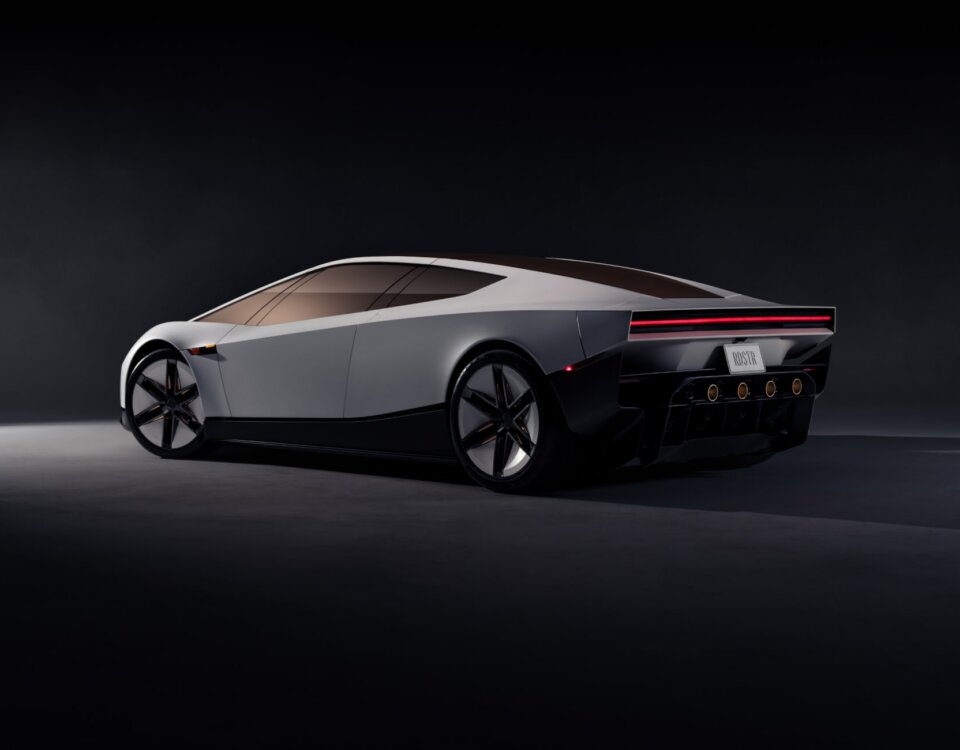
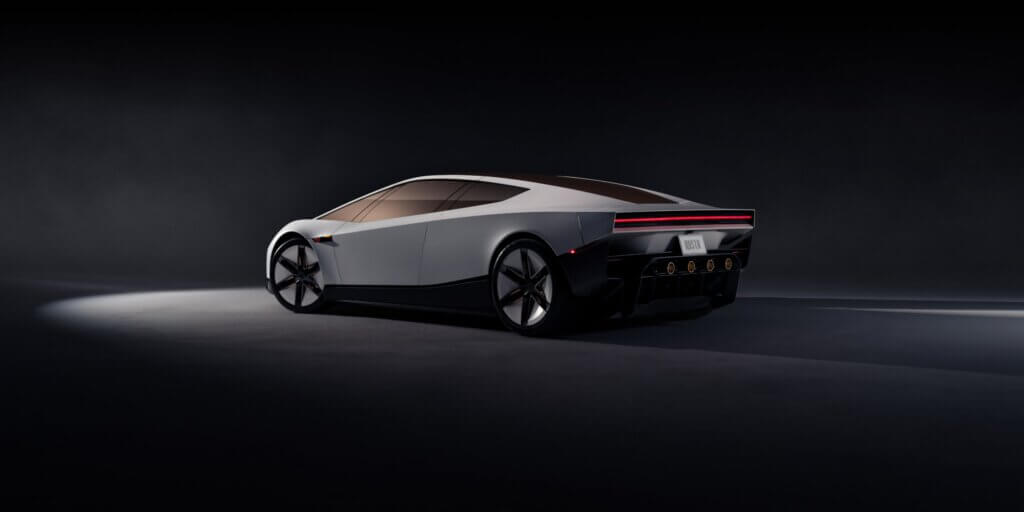
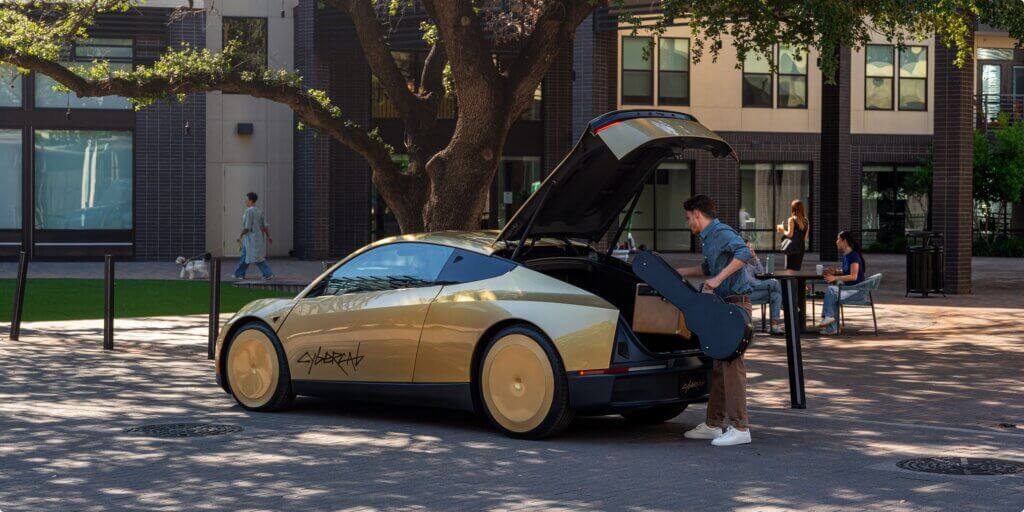
Tesla’s Robotaxi program now includes the purpose-built Cybercab, which is designed to operate without conventional steering-wheel or pedal controls.
On September 4, 2026, the National Highway Traffic Safety Administration announced an investigation into Tesla’s certification that the Cybercab complies with applicable federal motor vehicle safety standards following its commercial deployment in Austin, Texas.
The existence of a federal investigation does not mean that every Cybercab is defective or that Tesla is automatically liable for an accident. It does demonstrate, however, that autonomous vehicle design and regulatory compliance are receiving significant federal scrutiny as these vehicles enter commercial service.
What Evidence Should Be Preserved After a Tesla Robotaxi Accident?
Robotaxi cases can depend heavily on electronic evidence.
Potentially important evidence may include:
- Vehicle camera footage
- Event data recorder information
- Vehicle speed
- Steering and braking data
- Autonomous-system status
- Software version
- Safety-driver interventions
- Remote-assistance communications
- Trip records
- Vehicle maintenance records
- Sensor and camera data
- Police reports
- Witness statements
- Photos and videos from the crash scene
- Nearby surveillance cameras
- Medical records
Because companies may have different data-retention policies, sending a preservation request quickly after a serious collision can be important.
What Compensation May Be Available?
A person injured in a Tesla Robotaxi accident may potentially seek compensation for losses including:
- Emergency medical care
- Hospital expenses
- Surgery
- Rehabilitation
- Future medical treatment
- Lost wages
- Reduced future earning capacity
- Pain and suffering
- Permanent disability
- Property damage
When an autonomous vehicle accident causes a death, eligible family members may also have a California wrongful death claim.
What if Another Driver Was Partially Responsible?
California follows comparative fault.
That means liability does not always have to belong entirely to one person or company.
A jury could determine, for example, that another driver was primarily responsible but that an autonomous vehicle system also contributed to the collision.
Responsibility may then be allocated among the parties according to the facts and applicable California law.
How Long Do You Have to File a Tesla Robotaxi Accident Claim?
California generally provides two years from the date of injury to file a personal injury lawsuit.
However, different deadlines can apply in certain situations, especially when government entities are involved.
Because autonomous vehicle cases can require extensive technical investigation and preservation of electronic data, waiting until the limitations deadline approaches can make the investigation considerably more difficult.
Injured in a Tesla Robotaxi Accident?
Autonomous vehicles create new factual questions, but injured people still have legal rights.
A serious Robotaxi case may require investigation of not only the collision itself but also the vehicle’s software, hardware, testing status, regulatory permits, safety-driver conduct, electronic records, and decisions made by the autonomous driving system.
Hillstone Law represents car accident victims throughout California. If you were injured in a collision involving a Tesla Robotaxi, autonomous Tesla, Cybercab, or another self-driving vehicle, our attorneys can investigate the evidence and determine which individuals or companies may be legally responsible.
This article provides general information about California personal injury law and is not legal advice. Autonomous vehicle regulations and technologies continue to change, and every accident must be evaluated according to its specific facts.
Note: These blog posts are created solely for the use of Hillstone Law. The information is gathered from internet research, publicly available sources, and artificial intelligence (AI) tools such as ChatGPT. While we aim to share helpful and educational content, Hillstone Law does not independently verify every detail. Some information may be incomplete, outdated, or subject to change without notice. If you believe any part of a post is inaccurate, misleading, or infringes upon copyright, please contact Hillstone Law immediately so we can review it and take appropriate action, including correction or removal.
Disclaimer: The material provided in these blogs is for general informational purposes only and should not be considered legal advice. Reading these posts does not create, and is not intended to create, an attorney-client relationship with Hillstone Law. Our intent is to share knowledge, raise awareness, and provide helpful resources to the public; however, Hillstone Law makes no warranties or guarantees about the accuracy, completeness, or reliability of the information provided, and expressly disclaims liability for any actions taken in reliance on it. The photos used in these posts are for illustrative purposes only and do not depict actual clients, individuals, or incidents unless expressly stated. If you or a loved one has been injured in an accident, please contact Hillstone Law at (855) 691-1691. Our attorneys are available to answer your legal questions and help you understand your rights.