School zones are some of the busiest and potentially most dangerous areas on weekday mornings and afternoons. With students walking, parents rushing, and buses maneuvering, accidents can happen quickly. By understanding the risks and following a few key guidelines, parents and community members can make school zones safer for everyone.
Why School Zones Are High-Risk Areas
- Heavy traffic volume during short windows of time creates congestion.
- Children’s unpredictable behavior, kids may dart into the street without warning.
- Drivers in a hurry may overlook crosswalks or speed limits.
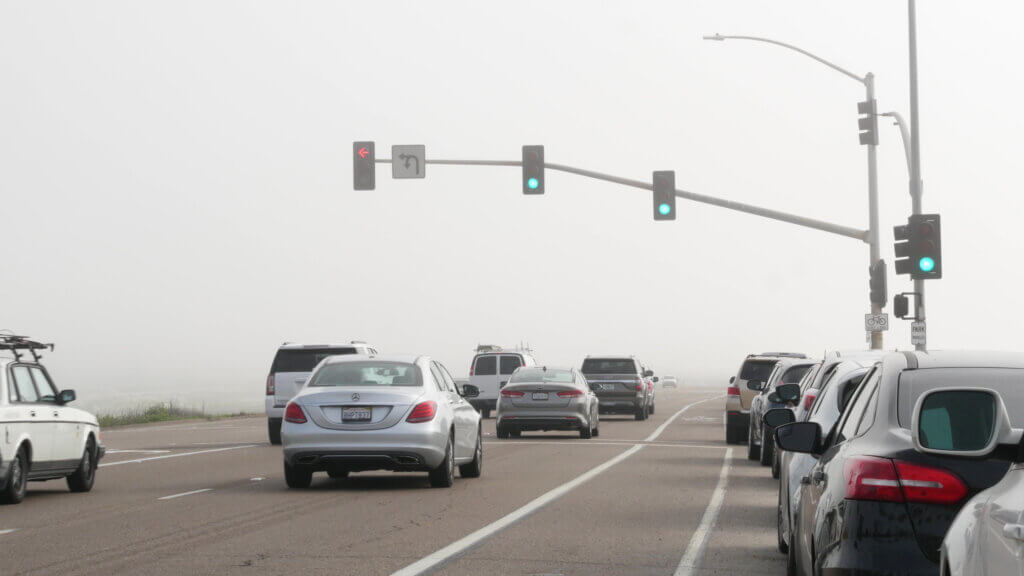
- Limited visibility from parked cars or buses can hide pedestrians.
Safety Tips for Parents and Guardians
- Obey posted speed limits even a few miles per hour over can mean the difference in a child’s safety.
- Use designated drop-off and pick-up areas rather than stopping in unauthorized zones.
- Stay off your phone and avoid other distractions while driving through school zones.
- Teach children to use crosswalks, wait for crossing guards, and make eye contact with drivers before crossing.
How Communities Can Improve Safety
- Advocate for crossing guards and clear signage at busy intersections.
- Request flashing lights or speed bumps in zones with frequent speeding complaints.
- Encourage schools to send reminders to parents about proper drop-off procedures.
- Participate in local PTA or city council meetings to support school zone improvements.
A Shared Responsibility
Keeping school zones safe requires cooperation between parents, school staff, local officials, and drivers. By slowing down, staying alert, and following proper procedures, we can protect children and reduce the risk of tragic accidents.
Note: The content published on the Hillstone Law blog is prepared for informational and educational purposes using a variety of research resources and publicly available information. We make reasonable efforts to provide helpful, relevant, and current information; however, laws, regulations, facts, and other details may change over time or vary depending on the circumstances. If you believe any portion of a post contains inaccurate or misleading information, or raises a copyright concern, please contact Hillstone Law so we can review the matter and make any appropriate corrections or updates.
Disclaimer: The material provided in these blogs is for general informational purposes only and should not be considered legal advice. Reading these posts does not create, and is not intended to create, an attorney-client relationship with Hillstone Law. Our intent is to share knowledge, raise awareness, and provide helpful resources to the public; however, Hillstone Law makes no warranties or guarantees about the accuracy, completeness, or reliability of the information provided, and expressly disclaims liability for any actions taken in reliance on it. The photos used in these posts are for illustrative purposes only and do not depict actual clients, individuals, or incidents unless expressly stated. If you or a loved one has been injured in an accident, please contact Hillstone Law at (855) 691-1691. Our attorneys are available to answer your legal questions and help you understand your rights.