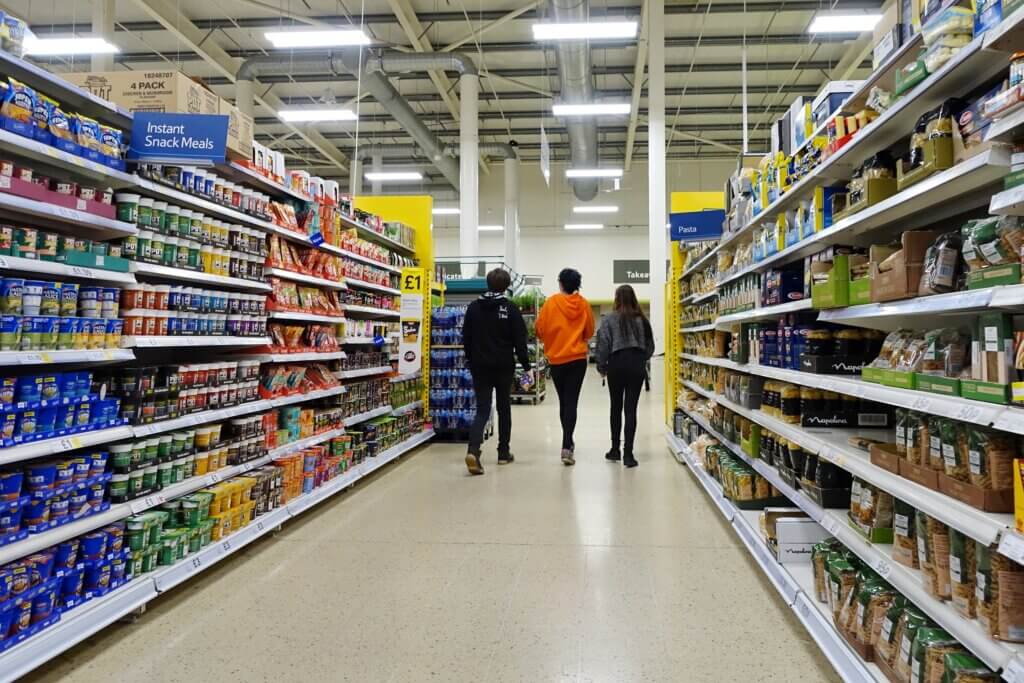
Yes. If a Walmart shelf collapses or merchandise falls and injures you, you may have a strong premises-liability claim—but the specific facts still determine whether Walmart or another party is legally responsible.
Customers walking through a retail store should not have to anticipate shelves collapsing or heavy merchandise falling from above. When merchandise is improperly stacked, shelving is damaged, displays are overloaded, or employees fail to correct a known hazard, serious injuries can occur.
These accidents can cause traumatic brain injuries, concussions, neck and back injuries, shoulder injuries, fractures, cuts, and spinal injuries.
Why Falling-Merchandise Cases Can Be Different From Ordinary Slip-and-Fall Claims
Many slip-and-fall cases involve a temporary condition created by another customer, such as spilled liquid. In those cases, an important question may be whether the store knew or should have known that the hazard existed.
A collapsing shelf or improperly stocked merchandise can present a different situation.
If Walmart employees themselves assembled the display, stacked the merchandise, overloaded shelving, left items unsecured, or ignored damaged shelving, the evidence may directly connect the dangerous condition to the store’s operations.
California retailers have a duty to use reasonable care to keep areas used by customers reasonably safe. California case law has long recognized a retailer’s responsibility to reasonably inspect areas open to shoppers.
What Must Usually Be Investigated?
The question is not simply whether something fell.
Investigators may examine how the merchandise was stacked, whether the shelf was damaged, whether the display complied with store procedures, whether employees recently stocked the area, whether other customers had complained, whether similar incidents had occurred, and whether employees had inspected the display.
The distinction can matter.
In a California case involving merchandise falling from a high display, the allegations focused on whether the retailer failed to secure stacked boxes, inspect the display, and warn shoppers. The case illustrates why courts examine the actual condition of the display and what the retailer reasonably should have done under the circumstances rather than automatically imposing liability whenever an object falls.
The Importance of Surveillance Video
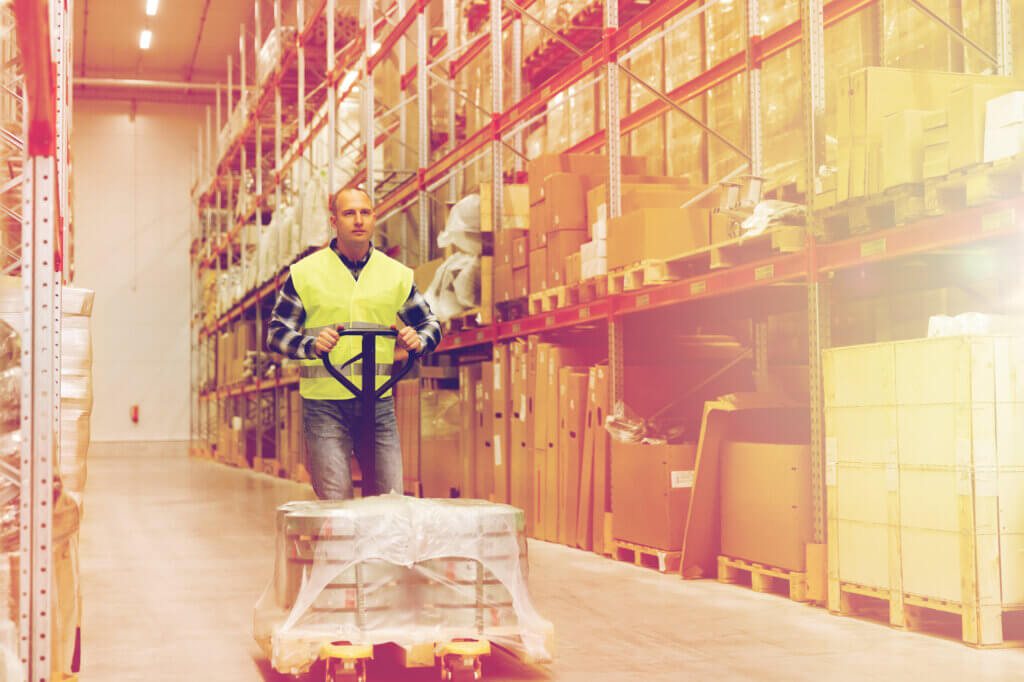
A big-box retailer may have cameras covering aisles, checkout areas, entrances, or other sections of the property.
Video can potentially establish whether an employee created the condition, whether customers disturbed the merchandise, how long the problem existed, and whether employees walked past the dangerous display before the accident.
Photographs of the shelving and merchandise immediately after the incident can be equally important because stores may quickly clean up, restock, or repair the area.
Who Else Could Be Responsible?
Walmart may not necessarily be the only possible defendant.
Depending on what caused the failure, responsibility could potentially involve a shelving manufacturer, installation company, maintenance contractor, merchandise vendor, or another business responsible for assembling or maintaining the display.
An experienced premises-liability attorney can investigate contractual relationships and maintenance responsibilities rather than assuming only one company was involved.
What Damages Can an Injured Customer Seek?
A person seriously injured by falling merchandise may potentially seek compensation for medical expenses, rehabilitation, lost wages, diminished earning ability, future medical care, pain and suffering, and other losses caused by the incident.
California’s general limitations period for a personal injury action is two years, subject to exceptions.
Hurt by Falling Merchandise at Walmart?
When a shelf or heavy product suddenly comes down on a customer, determining how the display was built, stocked, inspected, and maintained can be critical.
Hillstone Law represents people injured in retail-store and premises-liability accidents throughout California. Our attorneys can investigate surveillance footage, inspection practices, witness statements, maintenance records, and other evidence to determine who may be responsible.
Note: The content published on the Hillstone Law blog is prepared for informational and educational purposes using a variety of research resources and publicly available information. We make reasonable efforts to provide helpful, relevant, and current information; however, laws, regulations, facts, and other details may change over time or vary depending on the circumstances. If you believe any portion of a post contains inaccurate or misleading information, or raises a copyright concern, please contact Hillstone Law so we can review the matter and make any appropriate corrections or updates.
Disclaimer: The material provided in these blogs is for general informational purposes only and should not be considered legal advice. Reading these posts does not create, and is not intended to create, an attorney-client relationship with Hillstone Law. Our intent is to share knowledge, raise awareness, and provide helpful resources to the public; however, Hillstone Law makes no warranties or guarantees about the accuracy, completeness, or reliability of the information provided, and expressly disclaims liability for any actions taken in reliance on it. The photos used in these posts are for illustrative purposes only and do not depict actual clients, individuals, or incidents unless expressly stated. If you or a loved one has been injured in an accident, please contact Hillstone Law at (855) 691-1691. Our attorneys are available to answer your legal questions and help you understand your rights.