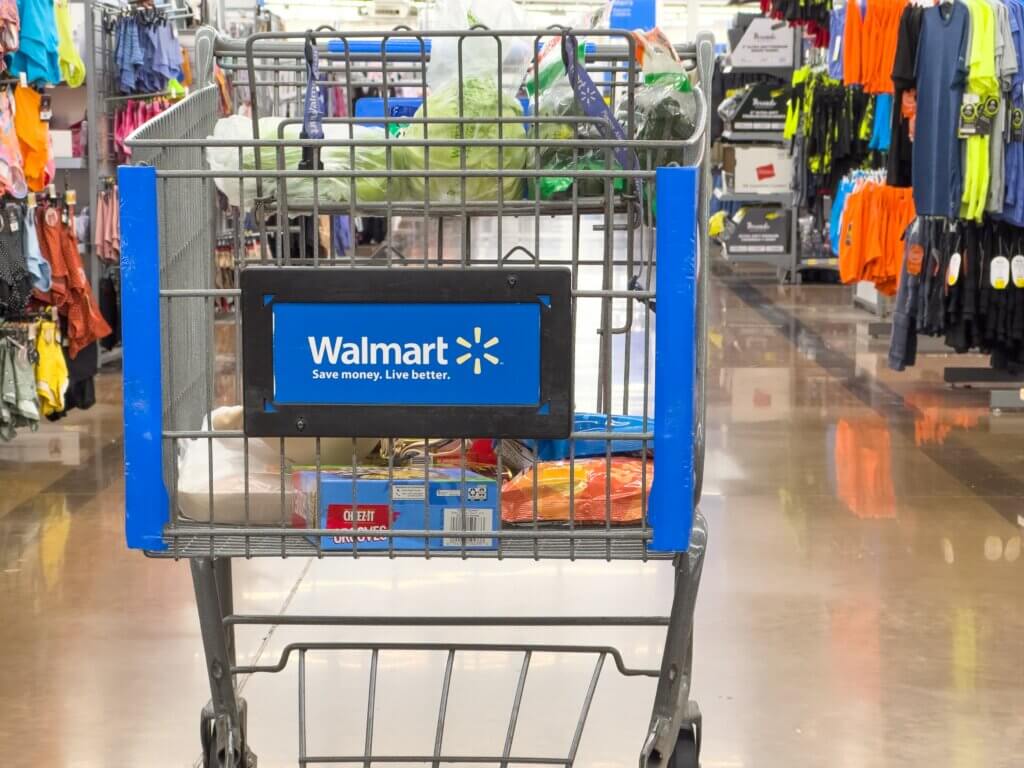
Yes. If a Walmart employee negligently hits you with a pallet jack while performing his or her job, there may be a substantial basis for a personal injury claim against Walmart.
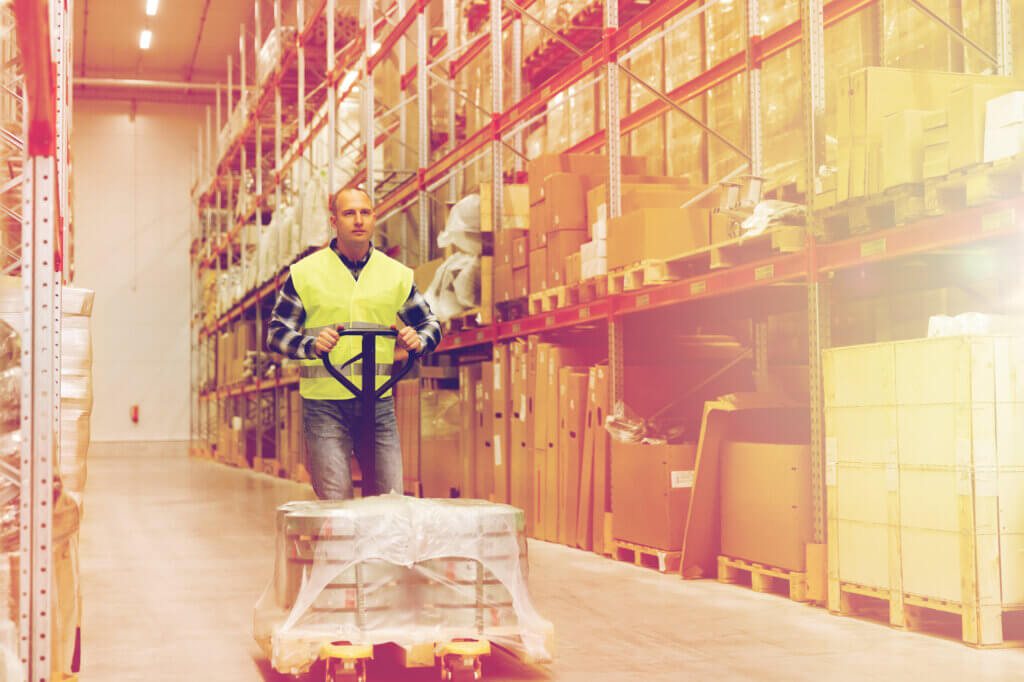
Pallet jacks are commonly used to move merchandise through warehouses and retail stores. Although smaller than forklifts, a pallet jack carrying a heavy load can generate significant force.
Customers struck by a pallet jack or the merchandise being transported can suffer foot and ankle fractures, crushed toes, knee injuries, hip injuries, falls, back injuries, and other serious trauma.
Why Walmart May Be Responsible for Its Employee
California’s respondeat superior doctrine generally makes an employer responsible for torts committed by an employee within the scope of employment.
So if a Walmart employee is moving inventory with a pallet jack as part of the employee’s job and negligently strikes a customer, Walmart may potentially be held vicariously liable for the employee’s conduct.
The investigation may ask whether the employee was properly trained, whether the load blocked the employee’s view, whether the employee was moving too quickly, whether a spotter should have been used, whether customers were adequately warned, and whether Walmart followed its own safety procedures.
The Weight of the Load Matters
A pallet jack can be carrying far more weight than the equipment itself.
Cases may involve pallets stacked with beverages, food, electronics, household goods, or other merchandise. The combined load can increase both the force of an impact and the seriousness of resulting injuries.
A loaded pallet can also obstruct an employee’s forward view. That makes store procedures concerning visibility, warnings, route selection, and spotters potentially important evidence.
Surveillance Footage Can Be Crucial
One advantage in some retail-employee accident cases is that the incident may have occurred within view of store surveillance cameras.
Video could reveal how fast the employee was moving, whether the employee could see the customer, where the load was positioned, whether warnings were given, and exactly how the collision happened.
Employee training records, incident reports, witness testimony, equipment records, internal safety procedures, and photographs can provide additional evidence.
Could Walmart Have Additional Direct Liability?
Possibly.
The claim does not always have to be limited to the employee’s individual mistake.
Depending on the facts, questions could arise regarding employee training, supervision, staffing, equipment maintenance, or company safety practices.
If defective equipment contributed to the accident, the equipment manufacturer or maintenance provider could also become relevant.
What if Walmart Says the Customer Was in the Way?
California uses comparative negligence.
A defendant can argue that the injured person contributed to the accident, but partial responsibility does not automatically prohibit recovery. If comparative fault is established, damages generally are reduced according to the percentage of responsibility assigned to the injured plaintiff.
That means evidence showing where the customer was standing, whether the aisle was open to shoppers, and whether any warnings were provided can be very important.
Hit by a Pallet Jack at Walmart?
An accident involving store equipment can present valuable evidence that may disappear quickly, particularly surveillance footage and internal documentation.
Hillstone Law represents injured customers throughout California. If a Walmart employee or another retail worker struck you with a pallet jack, cart, forklift, or other equipment, our attorneys can investigate the accident and determine what parties may be responsible.
Note: The content published on the Hillstone Law blog is prepared for informational and educational purposes using a variety of research resources and publicly available information. We make reasonable efforts to provide helpful, relevant, and current information; however, laws, regulations, facts, and other details may change over time or vary depending on the circumstances. If you believe any portion of a post contains inaccurate or misleading information, or raises a copyright concern, please contact Hillstone Law so we can review the matter and make any appropriate corrections or updates.
Disclaimer: The material provided in these blogs is for general informational purposes only and should not be considered legal advice. Reading these posts does not create, and is not intended to create, an attorney-client relationship with Hillstone Law. Our intent is to share knowledge, raise awareness, and provide helpful resources to the public; however, Hillstone Law makes no warranties or guarantees about the accuracy, completeness, or reliability of the information provided, and expressly disclaims liability for any actions taken in reliance on it. The photos used in these posts are for illustrative purposes only and do not depict actual clients, individuals, or incidents unless expressly stated. If you or a loved one has been injured in an accident, please contact Hillstone Law at (855) 691-1691. Our attorneys are available to answer your legal questions and help you understand your rights.