Yes, potentially. A shopping cart injury can become a legitimate personal injury claim when Walmart, one of its employees, or another responsible party failed to use reasonable care.
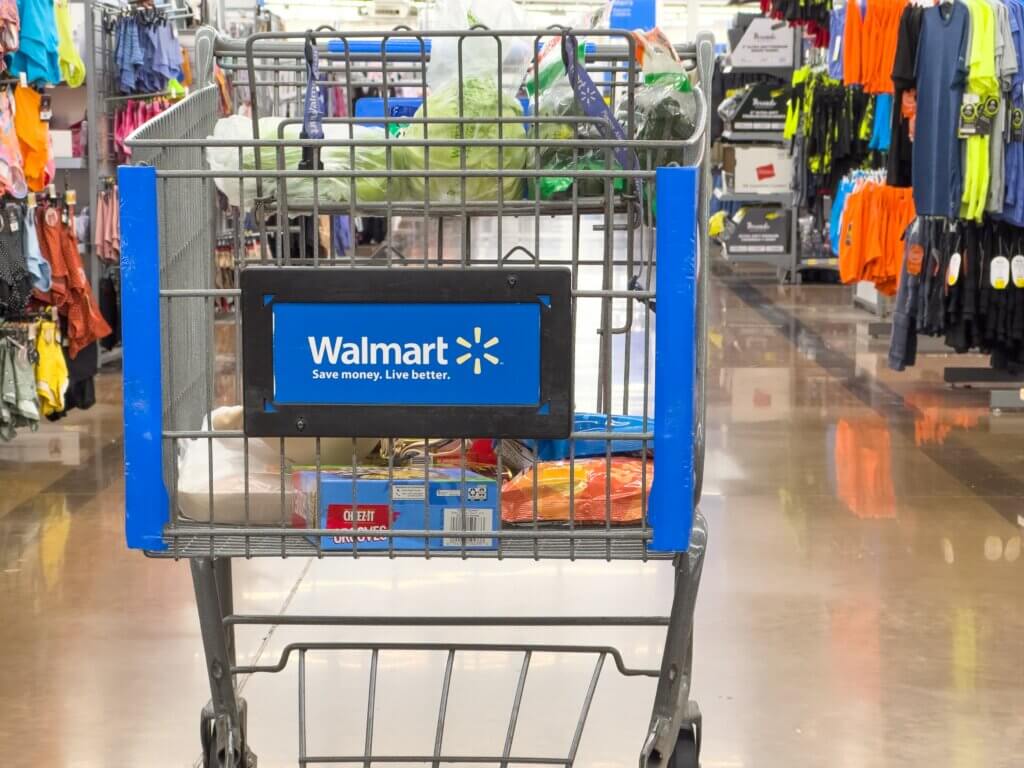
A shopping cart might appear harmless, but a fully loaded cart or a row of connected carts can weigh hundreds of pounds. When a cart strikes a shopper, particularly a child, older adult, or someone caught off guard, the resulting injuries can include fractures, knee and ankle injuries, back injuries, head trauma, and other serious conditions.
The important question in a California shopping cart injury case is usually not simply whether a cart hit you. It is why the cart hit you and who was responsible for preventing the accident.
When Could Walmart Be Responsible for a Shopping Cart Injury?
One of the strongest scenarios involves a Walmart employee.
For example, an employee may be pushing several carts through a parking lot, pulling carts through an aisle, moving carts around a blind corner, or operating cart-moving equipment. If the employee fails to keep a proper lookout, moves too quickly, loses control of the carts, or fails to warn customers before striking someone, Walmart may potentially be held responsible.
California follows the doctrine of respondeat superior, under which an employer may be held vicariously responsible for wrongful acts committed by an employee within the scope of employment. California’s civil jury instructions specifically recognize an employer’s potential liability for an employee acting within the scope of the job.
That means a customer injured because a Walmart employee negligently pushed or controlled shopping carts may have a claim against Walmart itself rather than being limited to pursuing the individual employee.
What if an Unattended Shopping Cart Rolls Into You?
These cases can be more complicated.
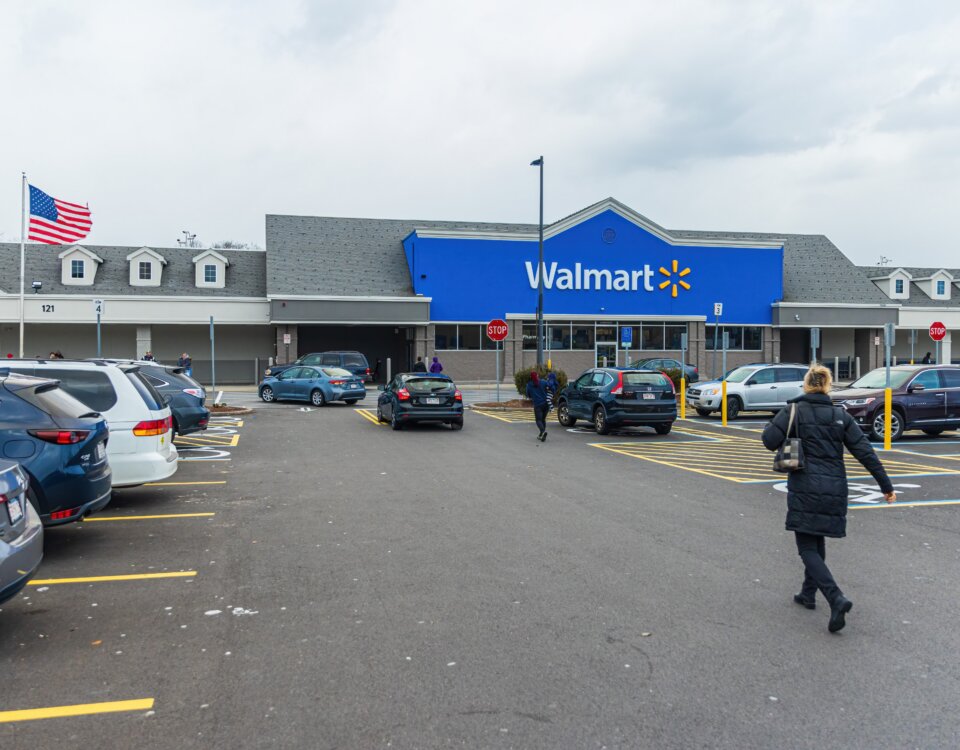
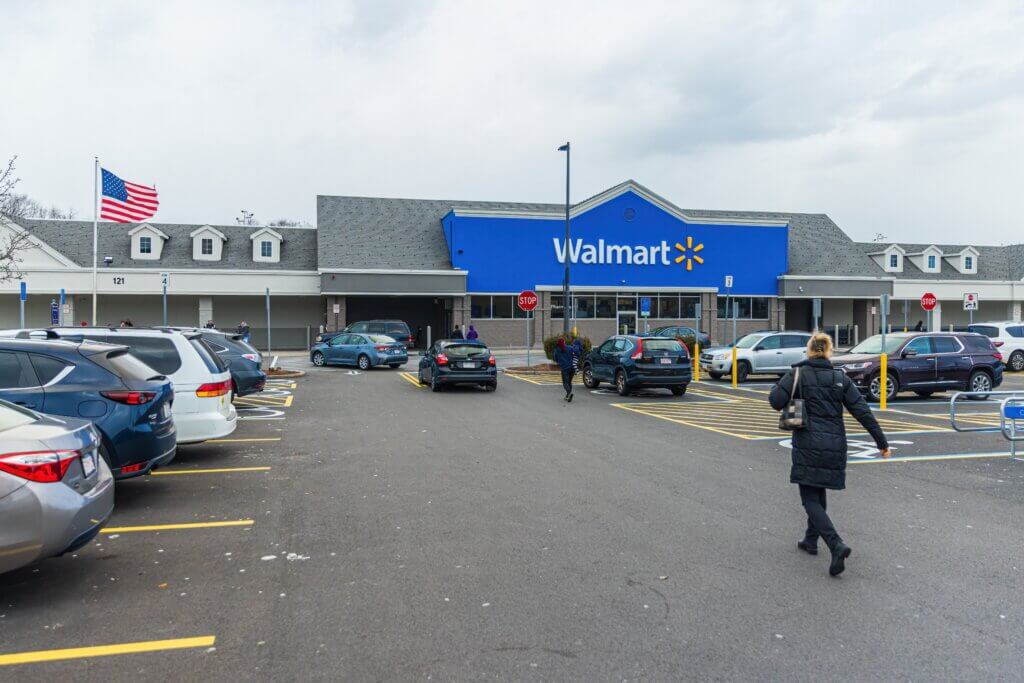
Suppose a loose Walmart cart rolls across a parking lot and strikes someone. The investigation may focus on how long the cart was unattended, weather and wind conditions, where cart-return areas were located, how frequently employees retrieved carts, whether employees previously saw the cart, and whether the store had reasonable procedures for controlling loose carts.
California businesses have a duty to exercise reasonable care over areas they possess or control. In premises-liability cases, California courts also examine whether a dangerous condition existed long enough that a reasonable inspection would have discovered it. The California Supreme Court’s decision in Ortega v. Kmart Corp. explains that inadequate inspection evidence can support an inference of constructive notice in appropriate circumstances.
Therefore, an unattended-cart claim is not automatically a winning case. Evidence showing how the cart came to be in a dangerous location can make a major difference.
Evidence That Can Matter After a Shopping Cart Accident
Security-camera footage can be particularly important. A video may show an employee pushing the carts, how long an unattended cart remained in the area, or whether employees passed the hazard without correcting it.
Incident reports, employee statements, eyewitness information, photographs, cart-retrieval procedures, maintenance records, and medical documentation can also become important evidence.
Because surveillance footage and internal records may not be preserved indefinitely, an injured customer should consider acting quickly after a serious accident.
What Compensation May Be Available?
Depending on the circumstances and severity of the injury, compensation may include medical expenses, future medical treatment, lost income, reduced earning capacity, pain and suffering, and other accident-related damages.
California also follows comparative fault. Even if a defendant argues that the injured customer was partially responsible, comparative negligence does not necessarily eliminate the claim; damages may instead be reduced according to the percentage of responsibility assigned to the injured person.
How Long Do You Have to File a Claim?
California generally provides two years from the date of injury to file a personal injury lawsuit, although exceptions can shorten or extend a deadline depending on the circumstances.
Injured by a Shopping Cart at Walmart?
A shopping cart accident may look simple at first, but determining who controlled the cart, what Walmart employees knew, and what surveillance footage shows can significantly affect the case.
Hillstone Law represents injury victims throughout California. If you were injured by a shopping cart at Walmart or another retail store, our personal injury attorneys can investigate what happened and determine whether you may have a claim.
Note: The content published on the Hillstone Law blog is prepared for informational and educational purposes using a variety of research resources and publicly available information. We make reasonable efforts to provide helpful, relevant, and current information; however, laws, regulations, facts, and other details may change over time or vary depending on the circumstances. If you believe any portion of a post contains inaccurate or misleading information, or raises a copyright concern, please contact Hillstone Law so we can review the matter and make any appropriate corrections or updates.
Disclaimer: The material provided in these blogs is for general informational purposes only and should not be considered legal advice. Reading these posts does not create, and is not intended to create, an attorney-client relationship with Hillstone Law. Our intent is to share knowledge, raise awareness, and provide helpful resources to the public; however, Hillstone Law makes no warranties or guarantees about the accuracy, completeness, or reliability of the information provided, and expressly disclaims liability for any actions taken in reliance on it. The photos used in these posts are for illustrative purposes only and do not depict actual clients, individuals, or incidents unless expressly stated. If you or a loved one has been injured in an accident, please contact Hillstone Law at (855) 691-1691. Our attorneys are available to answer your legal questions and help you understand your rights.