Riding a motorcycle in California offers freedom like nowhere else, but it also comes with unique rules and responsibilities. One of the most distinctive and often debated practices is lane splitting. Unlike most states, California explicitly allows this maneuver, making it essential for riders and drivers alike to understand the law and its safety guidelines.
At Hillstone Law, we know that while lane splitting can make commuting faster and easier, it can also increase the risk of accidents if not done correctly. Here’s what every rider and motorist should know.
What Is Lane Splitting?
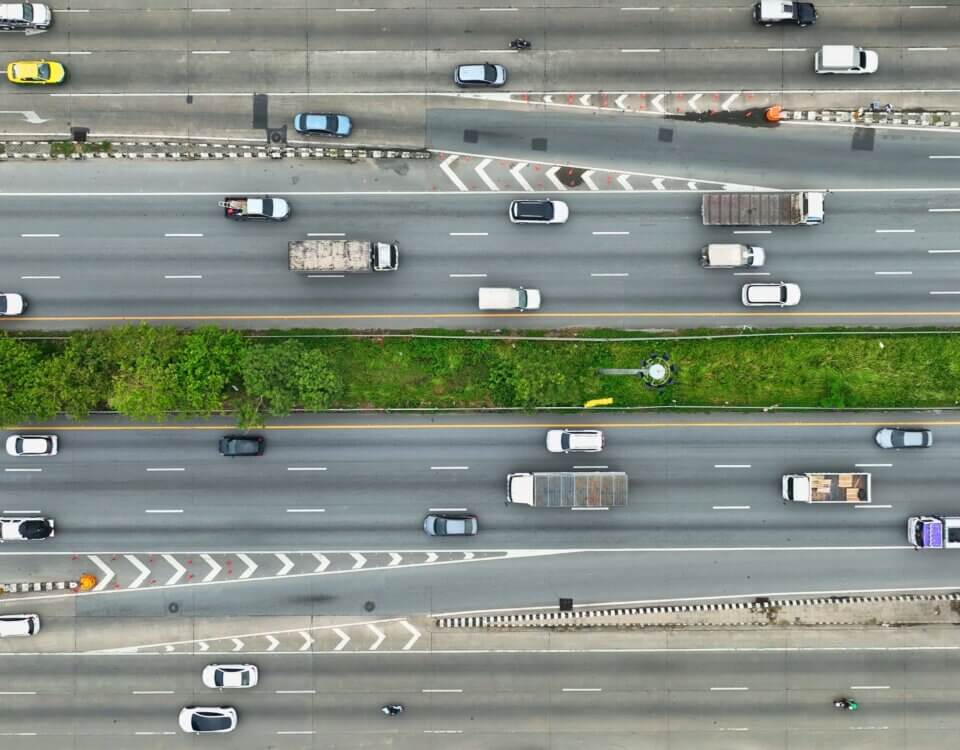
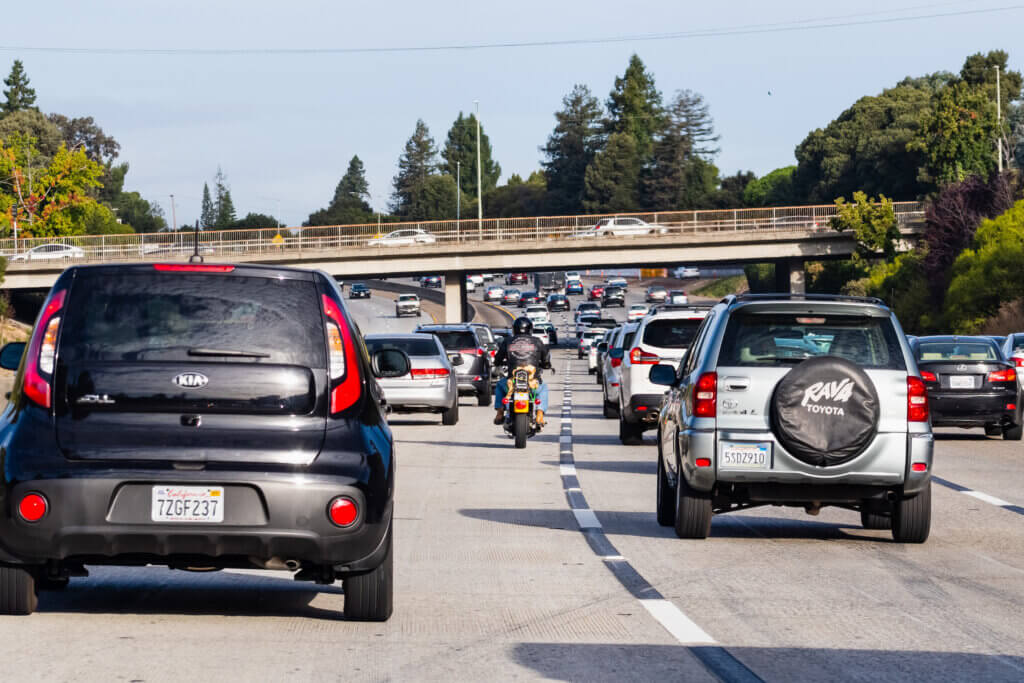
Lane splitting, sometimes called lane sharing or white-lining, occurs when a motorcycle rides between two lanes of slow-moving or stopped traffic. While it may look risky, studies have shown that when performed responsibly, lane splitting can actually reduce the chances of certain types of collisions, such as rear-end crashes.
California remains the only state in the U.S. where lane splitting is explicitly legal.
Lane Splitting Laws in California
Lane splitting was formally legalized in 2016 under Assembly Bill No. 51, signed into law by Governor Jerry Brown. The law authorized the California Highway Patrol (CHP) to create official safety guidelines for lane splitting.
This made California a pioneer in recognizing the practice, reflecting the state’s motorcycle-friendly approach while still emphasizing rider and driver safety.
CHP Safety Guidelines for Lane Splitting
The California Highway Patrol and the Department of Motor Vehicles (DMV) provide clear recommendations for riders:
- Don’t exceed 10 mph faster than surrounding traffic.
- Avoid lane splitting when traffic is moving at 30 mph or faster.
- Stay alert to sudden lane changes or unexpected movements from drivers.
- Consider your environment, including road width, lighting, and traffic density.
- Always anticipate risk, giving yourself an escape route in case of sudden hazards.
According to a 2015 UC Berkeley study, lane splitting motorcyclists were less likely to suffer serious head or torso injuries compared to other riders in collisions as long as they followed safe practices.
Risks and Responsibilities
Even though lane splitting is legal, it comes with shared responsibility. Drivers must check mirrors and blind spots before changing lanes, and motorcyclists must remain cautious and avoid weaving recklessly.
Sadly, accidents still occur and when they do, the injuries can be severe. Common outcomes include broken bones, spinal injuries, or traumatic brain injuries, all of which may leave victims facing costly medical bills and long recoveries.
Hillstone Law: Advocating for Injured Riders
At Hillstone Law, we fight for the rights of motorcycle accident victims across California. If you or a loved one is injured while lane splitting or in any motorcycle accident you may be entitled to compensation for:
- Medical expenses
- Lost wages
- Pain and suffering
- Long-term care needs
Call Hillstone Law today for a free consultation. Our motorcycle accident attorneys are available 24/7 to review your case and fight for the justice you deserve.
Note: These blog posts are created solely for the use of Hillstone Law. The information is gathered from internet research, publicly available sources, and artificial intelligence (AI) tools such as ChatGPT. While we aim to share helpful and educational content, Hillstone Law does not independently verify every detail. Some information may be incomplete, outdated, or subject to change without notice. If you believe any part of a post is inaccurate, misleading, or infringes upon copyright, please contact Hillstone Law immediately so we can review it and take appropriate action, including correction or removal.
Disclaimer: The material provided in these blogs is for general informational purposes only and should not be considered legal advice. Reading these posts does not create, and is not intended to create, an attorney-client relationship with Hillstone Law. Our intent is to share knowledge, raise awareness, and provide helpful resources to the public; however, Hillstone Law makes no warranties or guarantees about the accuracy, completeness, or reliability of the information provided, and expressly disclaims liability for any actions taken in reliance on it. The photos used in these posts are for illustrative purposes only and do not depict actual clients, individuals, or incidents unless expressly stated. If you or a loved one has been injured in an accident, please contact Hillstone Law at (855) 691-1691. Our attorneys are available to answer your legal questions and help you understand your rights.