

What counts as a moped in California
The Vehicle Code uses "motorized bicycle" and "moped" for the same thing: a two- or three-wheeled vehicle with working pedals, or no pedals if it runs only on electric power, an automatic transmission, and a motor of less than 4 gross brake horsepower that cannot go faster than 30 miles per hour on level ground (Vehicle Code 406).
That definition matters, because a faster scooter or small motorcycle falls under different rules, and an electric bicycle under others again. What your vehicle was can affect where you were allowed to ride and which insurance applies. See our pages on electric bike crashes and motorcycle accidents if yours is closer to one of those.
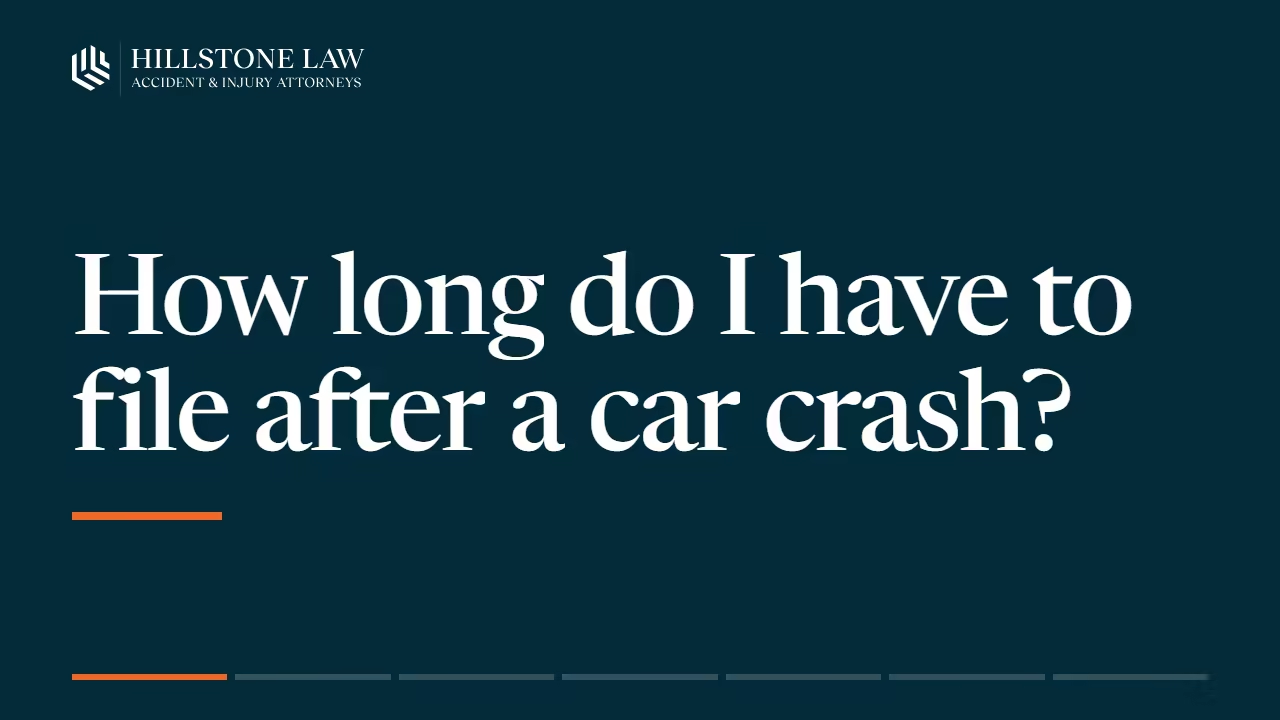
How long do I have to sue after a car crash in California?
Read the transcript
How long do I have to sue after a car crash in California?
How long do I have to file after a car crash?
2 years from the injury to file a lawsuit. That is the general deadline in California. Code of Civil Procedure 335.1
6 months if a public entity was involved. A city bus, a county truck, a dangerous public road: a written claim comes first. Government Code 911.2
The clocks that start at the crash: 10 days, dMV report, form SR-1; 6 months, claim against a public entity; 2 years, injury lawsuit; 3 years, vehicle damage only.
Negotiation does not stop the clock. If the claim is still open as the date approaches, the lawsuit must be filed to protect it.
Exceptions can shorten or extend these limits. A child was hurt; The at-fault driver died; A federal vehicle; Your own uninsured motorist claim.
Free consultation. Call and tell us what happened. (855) 691-1691 Hablamos español.
General information about California law, not legal advice for your situation.
How moped riders are hurt
- A car turns left across the rider's path. The turning driver must yield to oncoming vehicles close enough to be a hazard (Vehicle Code 21801), and a small, slow vehicle is easy to misjudge.
- A driver changes lanes or merges into the rider. No lane change is allowed until it can be made with reasonable safety (Vehicle Code 22107).
- A car pulls out of a driveway or side street.
- A parked driver opens a door into the rider.
- A driver passes too closely, or is impatient behind a slower vehicle.
- Road hazards such as potholes, gravel and uneven pavement that a car would hardly notice.
A driver who broke a traffic rule and caused the kind of crash it was meant to prevent is presumed to have been careless (Evidence Code 669).
Helmets and where mopeds may ride
A rider and any passenger on a motorized bicycle must wear a properly fastened safety helmet that meets the state standard (Vehicle Code 27803). Riding without one does not take away a claim against a driver who caused the crash. An insurer may argue it made a head injury worse, which goes to the amount, not to whether you can recover.
A motorized bicycle may not be ridden on a bike path, bike lane or trail unless the path is within or next to a roadway or the local authority allows it (Vehicle Code 21207.5). Where you were riding can come up in a fault argument, but it does not excuse a driver who failed to look.
California reduces a recovery by the injured person's own share of fault but does not bar it (Li v. Yellow Cab Co. (1975) 13 Cal.3d 804).
Insurance: check your own policy
Moped makers must tell buyers that their existing insurance policies may not cover accidents on the moped and that they should check with their insurer (Vehicle Code 406). That warning matters after a crash:
- The at-fault driver's insurance pays first for your injuries.
- Your own auto policy may or may not cover you on the moped. Check for uninsured and underinsured motorist coverage, and whether it extends to you on a moped.
- If the driver fled, uninsured motorist coverage requires physical contact, a report to the police within 24 hours and a sworn statement to your insurer within 30 days (Insurance Code 11580.2).
- Your health insurance may pay medical bills while the claim is pending.
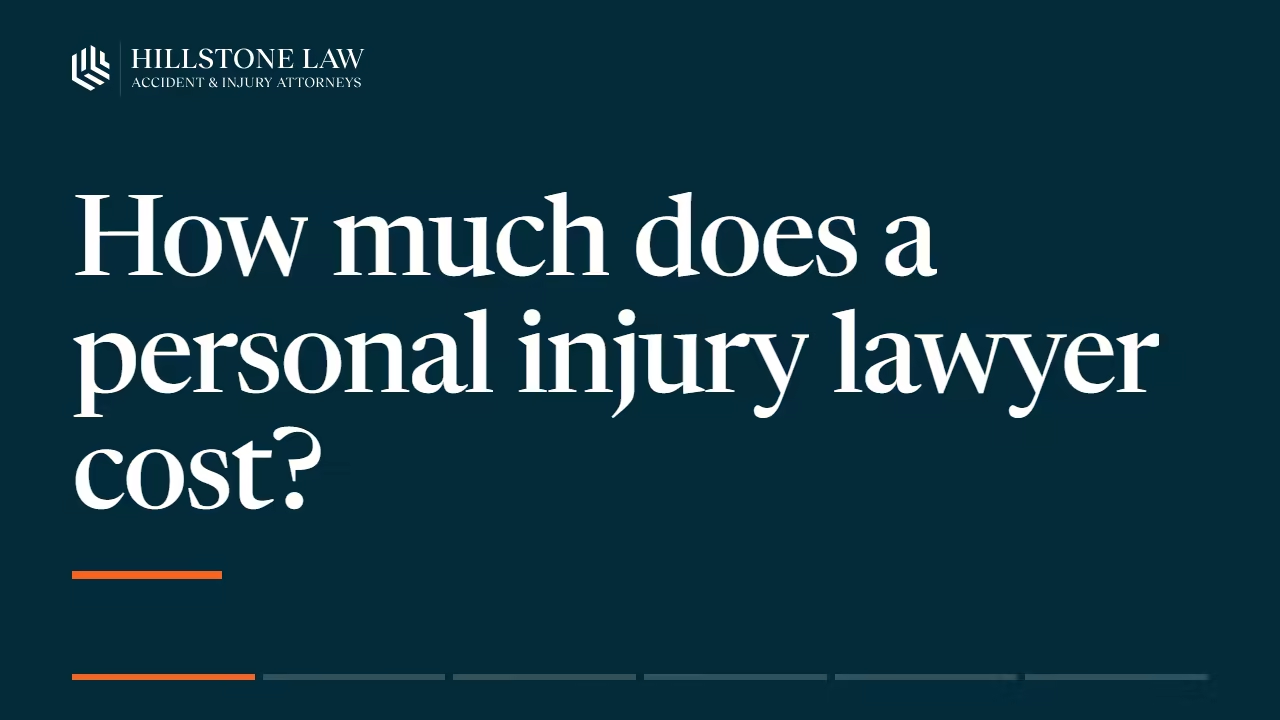
How much does a personal injury lawyer cost in California?
Read the transcript
How much does a personal injury lawyer cost in California?
How much does a personal injury lawyer cost?
No fees unless you get paid. Our fee comes only from what we recover for you.
What you pay along the way: Nothing to hire us; Nothing while the case is open; Nothing by the hour.
A percentage of the recovery, in writing. You sign the agreement before we start. California law does not set the percentage. It is negotiable. Business and Professions Code 6147
Before you sign a settlement, we go through it line by line. The gross amount; Our fee; Each lien; What you receive.
Free consultation. Call and tell us what happened. (855) 691-1691 Hablamos español.
General information about California law, not legal advice for your situation.
What to do now
- Get medical care and describe every symptom.
- Keep your helmet, damaged gear and the moped as they are.
- Photograph the scene, the car, the road surface and your injuries.
- Get the driver's name, insurance and plate, and the police report number.
- Find your insurance policies and check what covers you on the moped.
- Do not give a recorded statement to the driver's insurer before you have advice.
- Note your deadline: generally 2 years from the injury to file a lawsuit (Code of Civil Procedure 335.1), and 6 months for a claim against a public agency (Government Code 911.2).
Why moped riders call Hillstone Law
No fees unless you get paid. We answer 24 hours a day, 7 days a week. At your request, we can meet you at home or in the hospital. Our intake team speaks Spanish. We work from 16 offices across California. We find every policy that may cover you, including the ones riders often assume do not apply.
Results
$4,725,000 settlement
Motorcycle crash, Los Angeles County, 2025 · Obtained with co-counsel.
$862,000 settlement
Bicyclist hit by a car.
More on the case results page.











