If your car keeps going back to the dealership for repairs, you’re probably asking one thing: do you actually have a lemon?
Most consumers wait too long because they don’t fully understand how the California Lemon Law works. Meanwhile, dealerships continue attempting repairs and manufacturers delay responsibility.
This guide explains exactly how to determine whether your vehicle qualifies as a lemon in California, using real-world scenarios, legal standards, and practical next steps.
What Is Considered a Lemon in California?
Under California law, a vehicle is considered a lemon when it has a defect covered by the manufacturer’s warranty that substantially impairs its use, value, or safety, and the manufacturer fails to repair it after a reasonable number of attempts.
This applies to new vehicles, used vehicles still under the manufacturer’s warranty, leased vehicles, and certified pre-owned cars.
The Three Key Requirements
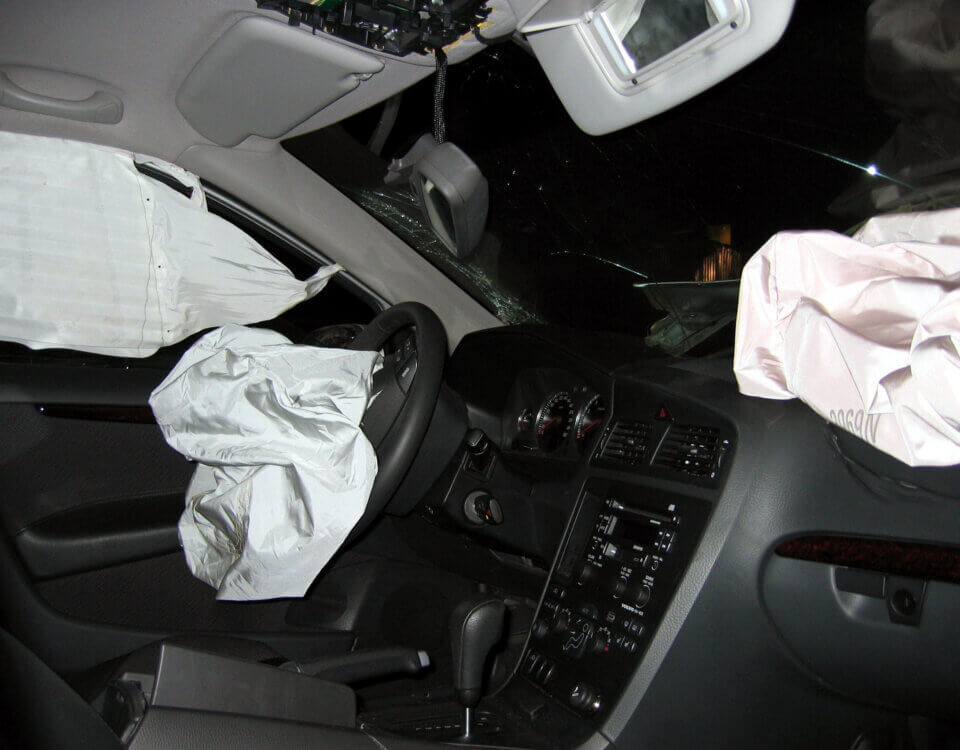
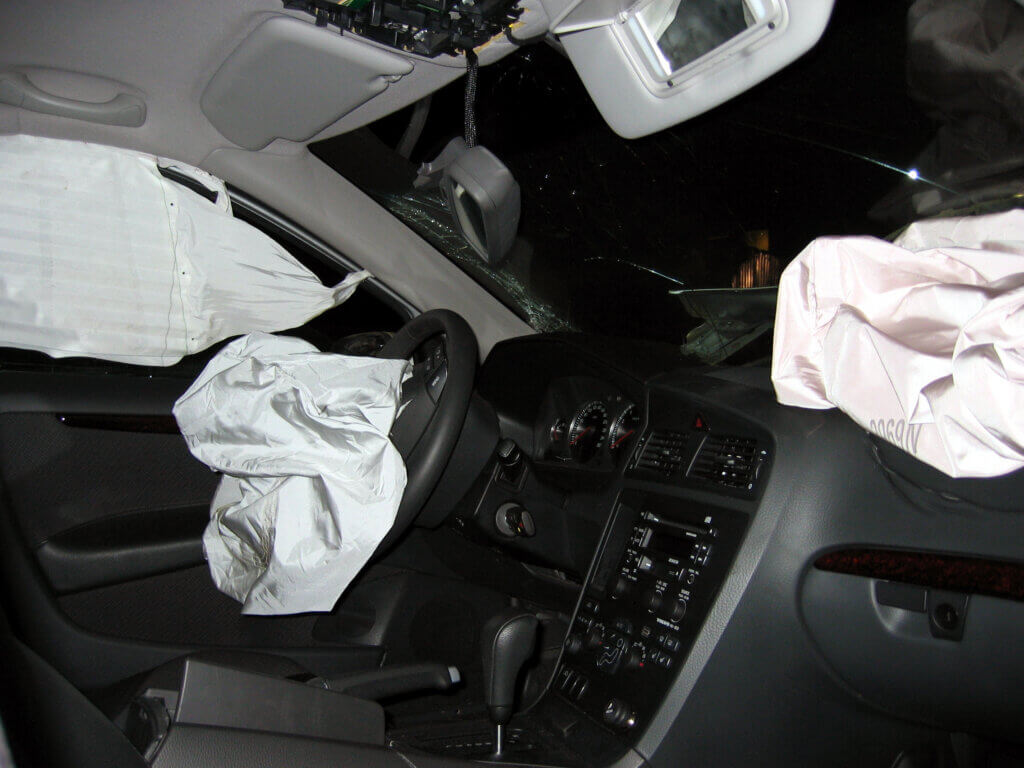
The first requirement is that the issue must be a substantial defect. Not every problem qualifies. The defect must meaningfully affect the vehicle’s safety, use, or value. Common qualifying issues include engine failure, transmission problems, electrical malfunctions, brake issues, or airbag defects. Minor cosmetic concerns or small inconveniences typically do not qualify on their own.
The second requirement is a reasonable number of repair attempts. While California law does not set a strict number, courts generally consider two attempts sufficient for serious safety defects and three to four attempts for non-safety issues. If the same problem continues after multiple repairs, it strengthens your claim.
The third requirement is excessive time in the repair shop. If your vehicle has been out of service for a total of 30 days or more due to warranty repairs, it may qualify as a lemon even if the issue is still being addressed.
Real Examples of Lemon Law Cases
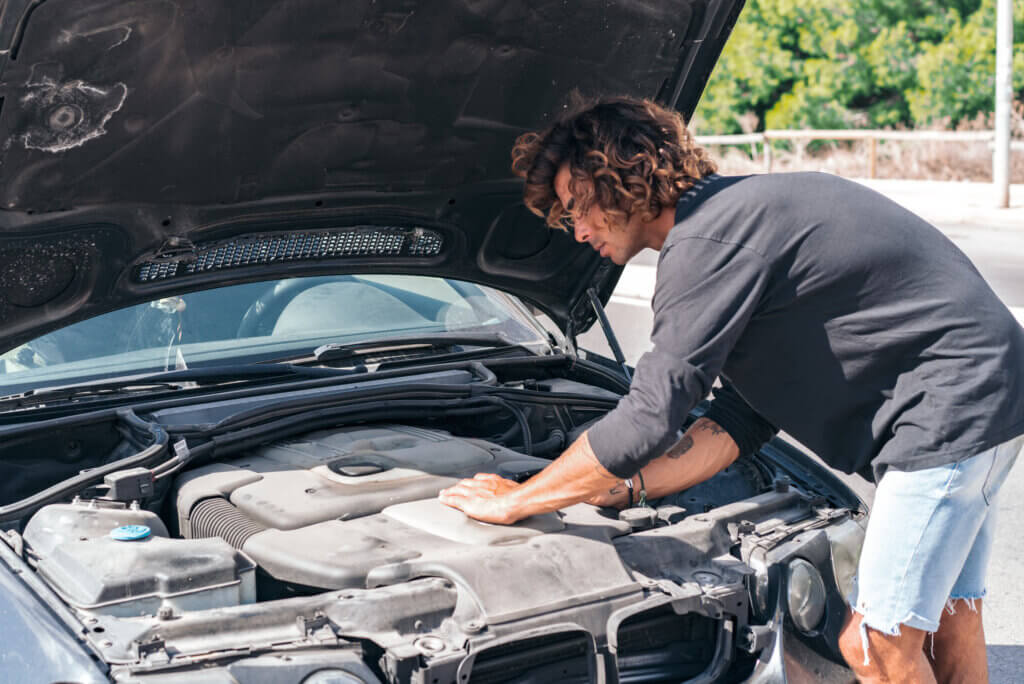
Consider a driver who purchases a new SUV and experiences engine stalling within a few months. After multiple repair attempts, the issue persists. This scenario typically qualifies as a lemon because it affects safety and reliability.
In another case, a vehicle suffers repeated electrical failures, including dashboard warnings and system shutdowns. Even after several visits to the dealership, the problem continues. This also meets lemon law criteria.
A third example involves a car that is technically drivable but constantly triggers warning lights and requires repeated repairs. Even though the vehicle runs, its reliability and value are significantly reduced, which may qualify it as a lemon.
Common Mistakes That Can Hurt Your Case
Many consumers unintentionally weaken their claims. Failing to return the vehicle for repeat repairs, delaying action, or not keeping documentation can all create issues. Repair orders and invoices are critical evidence. Even when a dealership claims no problem is found, documenting that visit can help establish a pattern of unresolved defects.
What If the Dealer Keeps Trying to Fix It?
You are not required to give the dealership unlimited opportunities to repair the vehicle. Once a reasonable number of attempts has been made, the manufacturer is legally required to either replace the vehicle or provide a refund. Continued delays or repeated unsuccessful repairs often strengthen a lemon law claim.
What Compensation Can You Receive?
If your vehicle qualifies under California Lemon Law, you may be entitled to a manufacturer buyback, which includes a refund of your down payment, monthly payments, taxes, and fees. In some cases, you may receive a replacement vehicle instead. You can also recover costs related to repairs, towing, and rental vehicles.
In addition, the law requires the manufacturer to pay your attorney’s fees if you win, which allows consumers to pursue claims without upfront legal costs.
How Long Do You Have to File a Claim?
California generally allows up to four years to file a lemon law claim. However, waiting too long can make it more difficult to prove your case, so it is best to act as soon as patterns of defects appear.
What Should You Do Next?
If you believe your vehicle may qualify, gather all repair records, document the issues you have experienced, and avoid relying solely on dealership assurances. Consulting with an attorney early can help you understand your options and preserve your rights.
Speak With a Lemon Law Attorney at Hillstone Law
Hillstone Law assists California consumers in determining whether their vehicles qualify under lemon law and handles the entire claims process from start to finish. The firm works to recover maximum compensation from manufacturers and offers consultations at no cost.
Frequently Asked Questions
How many repair attempts are required before a car is considered a lemon in California? Typically, two attempts for serious safety issues or three to four attempts for other defects may be enough, depending on the circumstances.
Does the car need to be completely undrivable? No, a vehicle can still qualify if it is unreliable or its value is significantly reduced.
Do used cars qualify under California Lemon Law? Yes, as long as the vehicle is still covered by the manufacturer’s warranty.
What if the dealership says nothing is wrong? If the issue continues and is documented, it can strengthen your claim by showing the defect remains unresolved.
Note: These blog posts are created solely for the use of Hillstone Law. The information is gathered from internet research, publicly available sources, and artificial intelligence (AI) tools such as ChatGPT. While we aim to share helpful and educational content, Hillstone Law does not independently verify every detail. Some information may be incomplete, outdated, or subject to change without notice. If you believe any part of a post is inaccurate, misleading, or infringes upon copyright, please contact Hillstone Law immediately so we can review it and take appropriate action, including correction or removal.
Disclaimer: The material provided in these blogs is for general informational purposes only and should not be considered legal advice. Reading these posts does not create, and is not intended to create, an attorney-client relationship with Hillstone Law. Our intent is to share knowledge, raise awareness, and provide helpful resources to the public; however, Hillstone Law makes no warranties or guarantees about the accuracy, completeness, or reliability of the information provided, and expressly disclaims liability for any actions taken in reliance on it. The photos used in these posts are for illustrative purposes only and do not depict actual clients, individuals, or incidents unless expressly stated. If you or a loved one has been injured in an accident, please contact Hillstone Law at (855) 691-1691. Our attorneys are available to answer your legal questions and help you understand your rights.