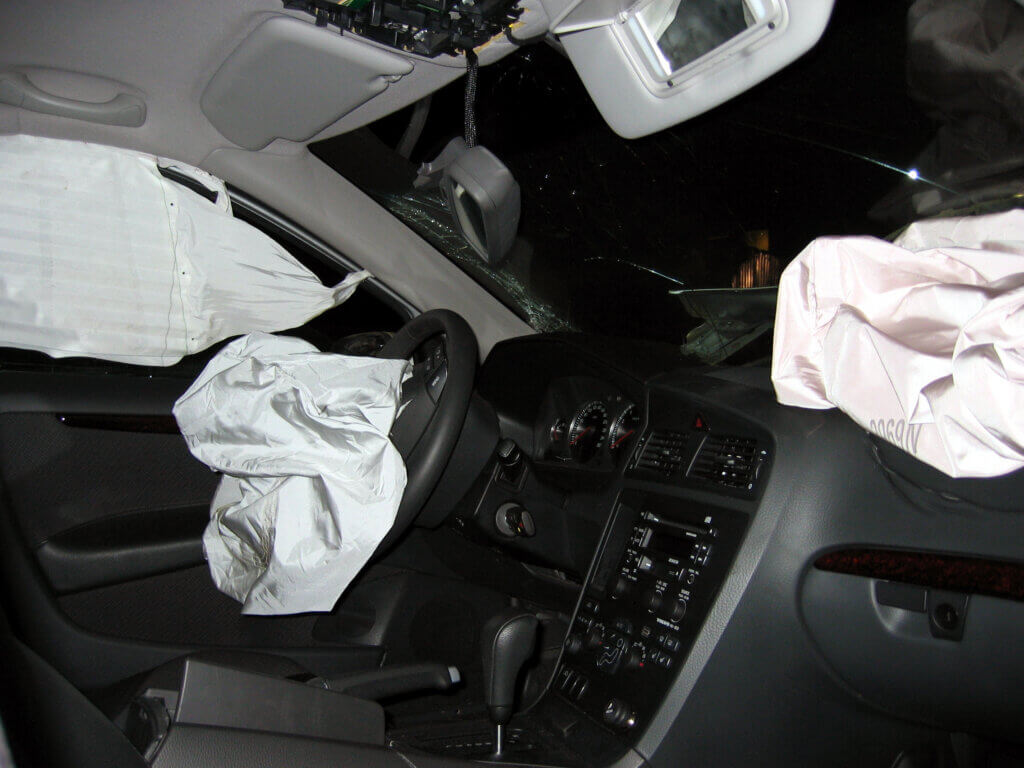
Fuel system problems are often overlooked until they become serious. Unlike some defects that develop slowly, fuel system issues can quickly affect performance, safety, and reliability.
Under the California Lemon Law, fuel system defects can qualify as a lemon if they substantially affect the use, value, or safety of the vehicle and cannot be repaired after a reasonable number of attempts.
In many cases, these issues are not only inconvenient but potentially dangerous.
Why Fuel System Problems Are Serious
The fuel system is responsible for delivering fuel from the tank to the engine in the correct amount and at the right time.
When this system fails, the engine may not receive proper fuel flow, which can lead to stalling, hesitation, or complete shutdown. In certain situations, fuel leaks or pressure issues can create fire hazards.
Because of these risks, fuel system defects often fall into the category of safety-related issues.
Common Fuel System Problems That May Qualify
Fuel system defects can appear in several forms.
Common issues include engine stalling while driving, difficulty starting the vehicle, loss of power during acceleration, fuel pump failure, fuel injector problems, strong fuel odors, and fuel leaks.
Some vehicles may also experience inconsistent performance due to irregular fuel delivery, leading to hesitation or surging.
Even intermittent issues can indicate a deeper defect within the system.
When Fuel System Issues Qualify Under Lemon Law
To qualify under California lemon law, the defect must substantially affect the use, value, or safety of the vehicle and remain unresolved after a reasonable number of repair attempts.
Because many fuel system issues involve safety risks, fewer repair attempts may be required. In some cases, two unsuccessful attempts may be enough if the problem creates dangerous driving conditions.
For less severe issues, three to four repair attempts are typically sufficient if the problem continues.
Additionally, if the vehicle has been in the shop for a total of 30 days or more due to fuel system repairs, it may qualify regardless of the number of attempts.
Real-World Examples
A driver experiences engine stalling while driving due to a fuel delivery issue. The dealership attempts repairs multiple times, but the problem continues. This may qualify as a lemon because it creates a safety risk.
In another case, a vehicle has a persistent fuel odor and suspected leak. Despite several repair attempts, the issue is not resolved. This may qualify due to the potential danger and impact on value.
A third example involves a car that struggles to start and loses power intermittently. Even though the problem is not constant, the recurring nature may meet the legal threshold.
Why Fuel System Issues Are Difficult to Fix
Fuel system problems can be challenging to diagnose because they may involve multiple components, including pumps, injectors, sensors, and control systems.
Intermittent symptoms can make it difficult for technicians to replicate the issue, leading to incomplete or temporary repairs.
In some cases, the dealership may replace individual components without addressing the underlying cause, resulting in repeated visits without a permanent fix.
How Dealerships Respond to Fuel System Complaints
Dealerships may initially treat fuel system issues as minor or isolated problems.
They may perform basic repairs or adjustments and assume the issue has been resolved. If the problem does not occur during inspection, they may document the visit as “no problem found.”
While these responses can delay resolution, they do not eliminate your rights under lemon law. If the issue continues, it may strengthen your claim.
How to Strengthen Your Case
If you are dealing with fuel system problems, detailed documentation is essential.
Each repair visit should clearly describe the symptoms, such as stalling, loss of power, or fuel odors. Consistency in reporting helps establish a pattern.
If the issue creates dangerous situations, note when and how it occurs. This can help demonstrate the seriousness of the defect.
Continue bringing the vehicle in for repairs so that each attempt is documented. This shows that the manufacturer has had a reasonable opportunity to fix the problem.
What You May Be Entitled To
If your vehicle qualifies under California lemon law, you may be entitled to a manufacturer buyback or a replacement vehicle.
A buyback typically includes reimbursement for your down payment, monthly payments, taxes, and registration fees, minus a usage offset. You may also recover costs for repairs, towing, and rental vehicles.
The manufacturer is required to pay your attorney’s fees if you prevail, allowing you to pursue your claim without upfront costs.
What to Do Next
If your car is experiencing fuel system issues, do not wait for the problem to become more serious.
Start by gathering all repair records and identifying how many times the issue has been addressed. Look for patterns of recurring problems and whether the issue has been fully resolved.
Do not rely solely on dealership assurances that the problem is minor. If it continues, it may already qualify under lemon law.
Consulting with an attorney can help you evaluate your case and determine the next steps.
Speak With a Lemon Law Attorney at Hillstone Law
Hillstone Law helps California drivers pursue lemon law claims involving fuel system defects. The firm evaluates repair histories, identifies qualifying patterns, and handles the claims process to secure maximum compensation.
Frequently Asked Questions
Do fuel system problems qualify under lemon law? Yes, especially if they are recurring and affect safety, use, or value.
How many repair attempts are needed? In many cases, two attempts may be enough for safety-related issues, while three to four attempts may apply to less severe problems.
What if the issue is intermittent? Intermittent problems can still qualify if they are recurring and unresolved.
Are fuel leaks considered serious? Yes, fuel leaks can create safety risks and may qualify under lemon law.
Note: These blog posts are created solely for the use of Hillstone Law. The information is gathered from internet research, publicly available sources, and artificial intelligence (AI) tools such as ChatGPT. While we aim to share helpful and educational content, Hillstone Law does not independently verify every detail. Some information may be incomplete, outdated, or subject to change without notice. If you believe any part of a post is inaccurate, misleading, or infringes upon copyright, please contact Hillstone Law immediately so we can review it and take appropriate action, including correction or removal.
Disclaimer: The material provided in these blogs is for general informational purposes only and should not be considered legal advice. Reading these posts does not create, and is not intended to create, an attorney-client relationship with Hillstone Law. Our intent is to share knowledge, raise awareness, and provide helpful resources to the public; however, Hillstone Law makes no warranties or guarantees about the accuracy, completeness, or reliability of the information provided, and expressly disclaims liability for any actions taken in reliance on it. The photos used in these posts are for illustrative purposes only and do not depict actual clients, individuals, or incidents unless expressly stated. If you or a loved one has been injured in an accident, please contact Hillstone Law at (855) 691-1691. Our attorneys are available to answer your legal questions and help you understand your rights.