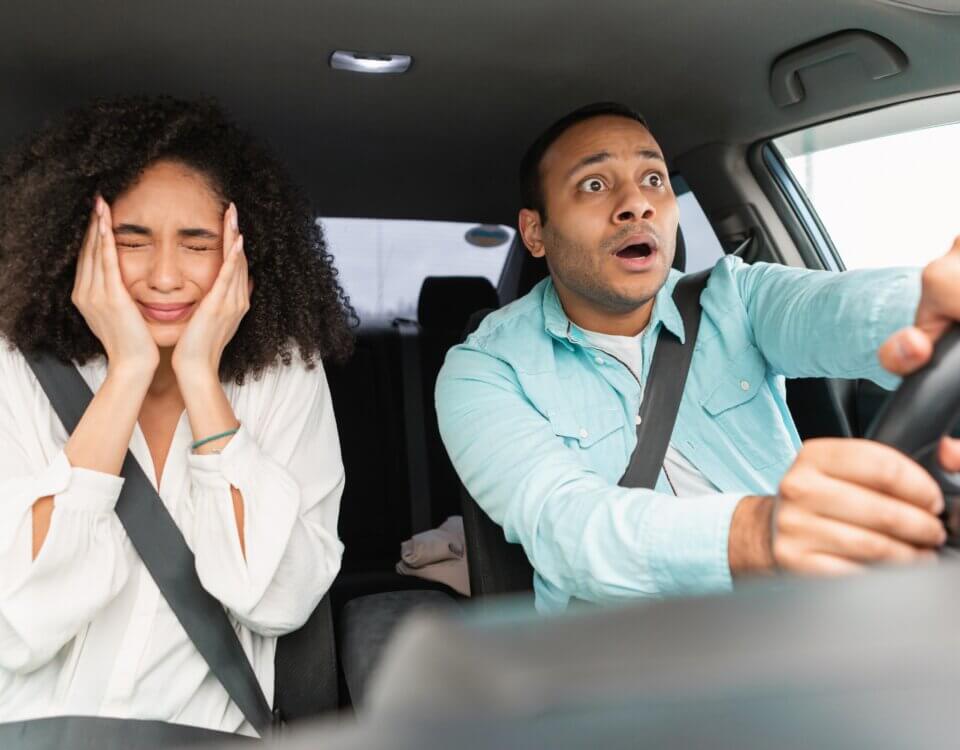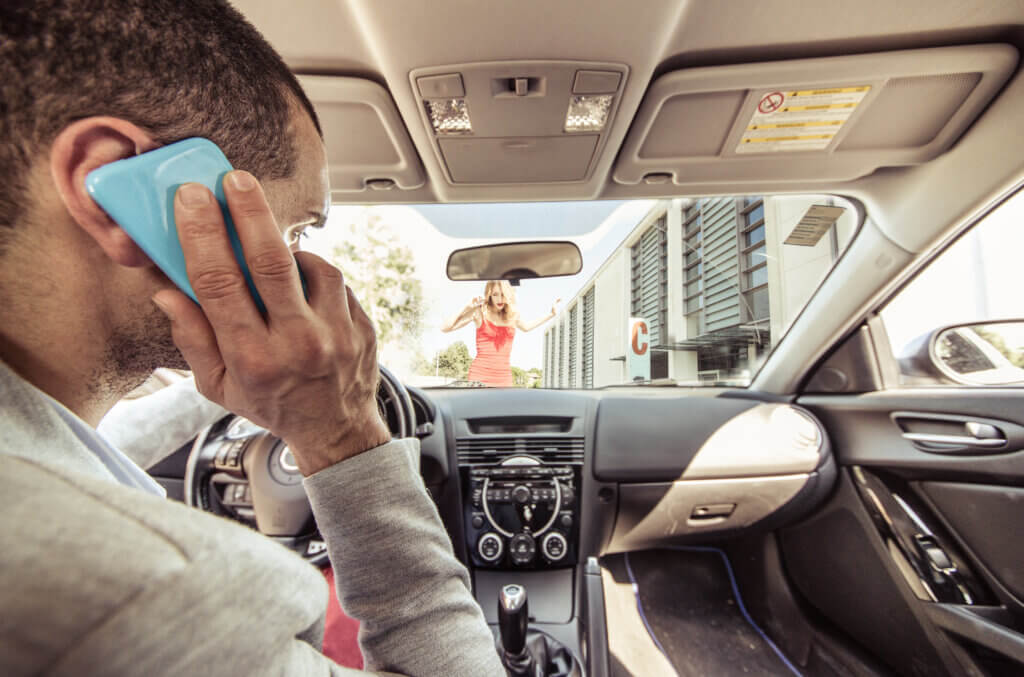
Pedestrian accidents involving Uber or Lyft vehicles can be devastating. Rideshare drivers operate in busy cities, constantly checking their apps, navigating unfamiliar streets, and picking up or dropping off passengers in high traffic zones. All of this increases the risk of a serious pedestrian collision. When a pedestrian is hit by a rideshare vehicle, the legal process is very different from a typical accident. This guide explains what happens, who is liable, and how victims can recover compensation.
1. Why Pedestrian Rideshare Accidents Are So Common
Uber and Lyft vehicles frequently drive through areas with heavy foot traffic, including:
- Pickup and drop off zones
- Shopping centers
- Bus stops
- Entertainment districts
- Apartment complexes
- College campuses
- Airport terminals
Drivers often look for addresses, watch the app, or rush to complete trips, all of which increase the danger to pedestrians.
2. Immediate Steps a Pedestrian Should Take After Being Hit
If a rideshare vehicle strikes you, take these steps if you can:
- Call 911 immediately
- Get medical care right away
- Take photos of the scene and your injuries
- Get the driver’s name, license plate, and insurance
- Screenshot the rideshare vehicle information if visible
- Get witness names and phone numbers
- Avoid speaking to any insurance adjuster without legal help
These steps help protect your safety and preserve critical evidence.
3. Determining Whether the Driver Was “On the App”
Liability in a pedestrian rideshare accident depends heavily on whether the driver was:
- Offline
- Online but waiting for a ride
- En route to pick up a passenger
- Transporting a passenger
This matters because Uber and Lyft insurance policies activate only when the driver is on the app.
Learn more about Uber safety and operations here: https://www.uber.com/us/en/safety/
4. Insurance Coverage for Pedestrian Rideshare Accidents
Insurance coverage increases as the driver becomes more engaged in a trip.
- Offline: Only the driver’s personal insurance applies
- Online, waiting for a ride: Limited contingent liability coverage
- En route to pickup or transporting a passenger: Up to $1 million in liability coverage
This higher coverage often applies when a pedestrian is hit mid trip.
5. Evidence That Proves the Driver Was at Fault
Strong evidence is critical in a pedestrian rideshare claim. Useful forms include:
- App data showing speed and route
- Phone usage logs
- Surveillance and traffic camera footage
- Eyewitness statements
- Police reports
- Dashcam recordings
- Impact point analysis
- Vehicle damage photographs
Rideshare companies often deny fault until evidence forces their hand.
6. Common Injuries Pedestrians Suffer in Rideshare Accidents
Pedestrian impacts are severe because there is no protection from the force of the vehicle. Injuries often include:
- Traumatic brain injuries
- Spinal cord injuries
- Broken legs, arms, or ribs
- Pelvic fractures
- Facial injuries
- Internal bleeding
- Severe bruising
- Long term nerve damage
These injuries often require long recoveries and substantial compensation.
7. When the Rideshare Driver Flees the Scene
Sadly, some drivers panic and flee. Uber and Lyft can still be held responsible if app data shows the driver was online. Hit and run rideshare cases often involve:
- Insurance claims through uninsured or underinsured motorist coverage
- Subpoenas to Uber or Lyft for driver data
- Claims through the victim’s own auto insurance (if applicable)
Lawyers can compel rideshare companies to provide identifying information about the driver.
Learn about Lyft safety commitments here: https://www.lyft.com/rider/safety
8. How Attorneys Build a Strong Pedestrian Rideshare Claim
A lawyer can strengthen the case by:
- Securing surveillance footage
- Preserving app data
- Obtaining phone records
- Reconstructing the crash
- Interviewing witnesses
- Reviewing medical records
- Calculating long term damages
- Negotiating with multiple insurance companies
Because rideshare companies often deny liability, an attorney is essential to pursue full compensation.
Final Thoughts
When an Uber or Lyft driver hits a pedestrian, the consequences can be life changing. Understanding how liability works, what evidence matters, and how to prove the driver was on the app can make a major difference in the final outcome. With strong legal support, pedestrians can successfully pursue the compensation they need for medical bills, lost income, pain, suffering, and long term recovery.
Note: These blog posts are created solely for the use of Hillstone Law. The information is gathered from internet research, publicly available sources, and artificial intelligence (AI) tools such as ChatGPT. While we aim to share helpful and educational content, Hillstone Law does not independently verify every detail. Some information may be incomplete, outdated, or subject to change without notice. If you believe any part of a post is inaccurate, misleading, or infringes upon copyright, please contact Hillstone Law immediately so we can review it and take appropriate action, including correction or removal.
Disclaimer: The material provided in these blogs is for general informational purposes only and should not be considered legal advice. Reading these posts does not create, and is not intended to create, an attorney-client relationship with Hillstone Law. Our intent is to share knowledge, raise awareness, and provide helpful resources to the public; however, Hillstone Law makes no warranties or guarantees about the accuracy, completeness, or reliability of the information provided, and expressly disclaims liability for any actions taken in reliance on it. The photos used in these posts are for illustrative purposes only and do not depict actual clients, individuals, or incidents unless expressly stated. If you or a loved one has been injured in an accident, please contact Hillstone Law at (855) 691-1691. Our attorneys are available to answer your legal questions and help you understand your rights.