Introduction
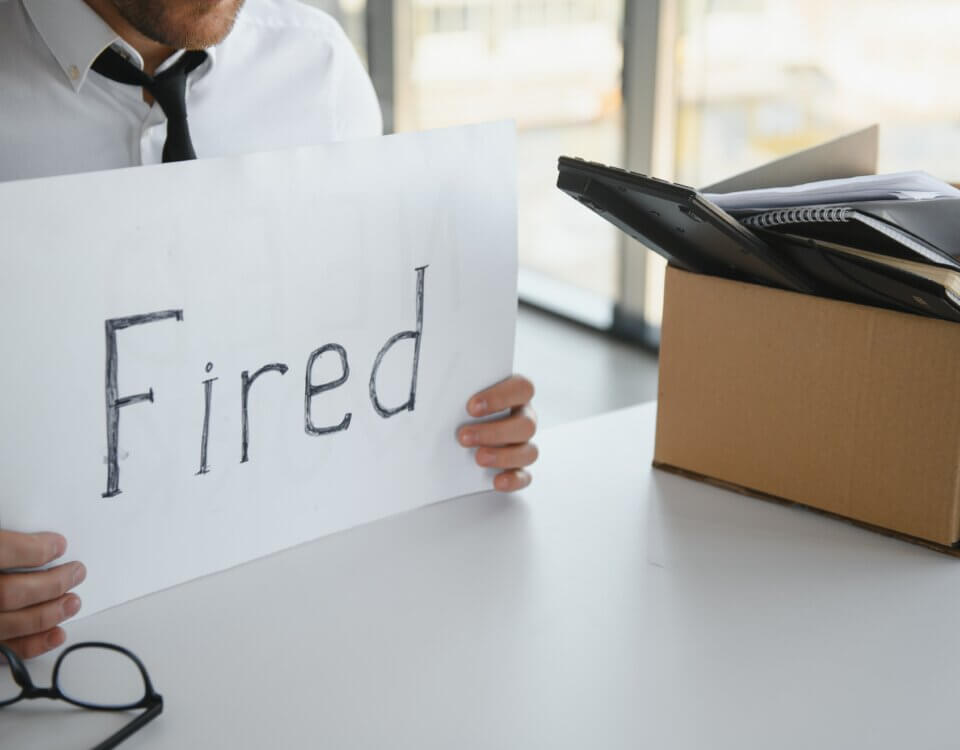
Getting fired can feel unfair, sudden, and confusing. Many employees assume that if a termination feels wrong, it must be illegal. But in California, not every unfair firing is wrongful termination.
The key is understanding the difference between a legal termination and one that violates the law. If your employer fired you for an illegal reason, you may have a strong claim. If not, it may simply fall under at-will employment.
What Is At-Will Employment in California
California is an at-will employment state.
This means employers can terminate employees at any time, for almost any reason, or for no reason at all. Employees can also leave their jobs at any time.
However, this does not give employers unlimited power. There are important exceptions.
Keywords: at will employment California, employee rights termination, employment law basics
What Makes a Termination “Wrongful”
A termination becomes wrongful when it violates the law or public policy.
This includes being fired for discriminatory reasons, retaliation, reporting illegal activity, taking protected leave, or refusing to engage in illegal conduct.
If your termination falls into one of these categories, it may be unlawful.
Keywords: wrongful termination California, illegal firing law, employee rights violations
Common Examples of Wrongful Termination
Wrongful termination can take many forms.
Examples include being fired after reporting harassment or discrimination, termination based on race or gender, firing an employee for taking medical leave, or being let go for refusing to participate in illegal activity.
These situations often overlap with other legal claims.
Keywords: wrongful termination examples California, retaliation firing, discrimination termination
What Is Not Wrongful Termination
Not every unfair situation is illegal.
Being fired due to poor performance, company restructuring, personality conflicts, or general workplace issues may be frustrating, but they are usually legal if not tied to a protected category or activity.
Keywords: legal termination California, unfair firing vs illegal, employment law limits
The Importance of Timing
Timing plays a major role in wrongful termination cases.
If you were fired shortly after engaging in a protected activity, such as filing a complaint or taking leave, it may suggest a connection between the two events.
Keywords: retaliation timing evidence, wrongful termination proof California, employment law strategy
What Evidence Helps Prove Wrongful Termination
Evidence can include emails, performance reviews, disciplinary records, witness statements, and a timeline of events.
Comparing your treatment before and after a protected activity can be especially important.
Keywords: wrongful termination evidence California, employment law documentation, workplace proof
Employer Defenses You May Hear
Employers often claim that termination was based on performance, restructuring, or business needs.
These reasons must be supported by evidence. If they appear inconsistent or sudden, they can be challenged.
Keywords: employer defense wrongful termination, retaliation denial tactics, employment law disputes
What to Do If You Believe You Were Wrongfully Terminated
Start by documenting everything. Gather all records related to your employment, including communications and performance history.
Request a written reason for your termination and avoid signing any agreements without understanding your rights.
Speaking with an employment lawyer can help you evaluate your case.
Keywords: wrongful termination steps California, employment lawyer consultation, workplace legal help
Compensation You May Be Entitled To
If your termination was unlawful, you may recover lost wages, future earnings, emotional distress damages, and other compensation depending on your situation.
FAQ
Can my employer fire me for no reason?
Yes, under at-will employment, but not for illegal reasons.
What if the reason they gave me is not true?
False or inconsistent reasons can be challenged as part of your claim.
Do I need proof of discrimination or retaliation?
You need evidence showing a connection between your termination and a protected factor or activity.
How quickly should I act?
There are deadlines, so it is important to act as soon as possible.
Conclusion
Wrongful termination is not about whether the decision felt unfair. It is about whether it violated the law.
Understanding this distinction is the first step in determining whether you have a case. If your termination was connected to discrimination, retaliation, or another protected issue, you may have strong legal rights worth pursuing.
Note: These blog posts are created solely for the use of Hillstone Law. The information is gathered from internet research, publicly available sources, and artificial intelligence (AI) tools such as ChatGPT. While we aim to share helpful and educational content, Hillstone Law does not independently verify every detail. Some information may be incomplete, outdated, or subject to change without notice. If you believe any part of a post is inaccurate, misleading, or infringes upon copyright, please contact Hillstone Law immediately so we can review it and take appropriate action, including correction or removal.
Disclaimer: The material provided in these blogs is for general informational purposes only and should not be considered legal advice. Reading these posts does not create, and is not intended to create, an attorney-client relationship with Hillstone Law. Our intent is to share knowledge, raise awareness, and provide helpful resources to the public; however, Hillstone Law makes no warranties or guarantees about the accuracy, completeness, or reliability of the information provided, and expressly disclaims liability for any actions taken in reliance on it. The photos used in these posts are for illustrative purposes only and do not depict actual clients, individuals, or incidents unless expressly stated. If you or a loved one has been injured in an accident, please contact Hillstone Law at (855) 691-1691. Our attorneys are available to answer your legal questions and help you understand your rights.