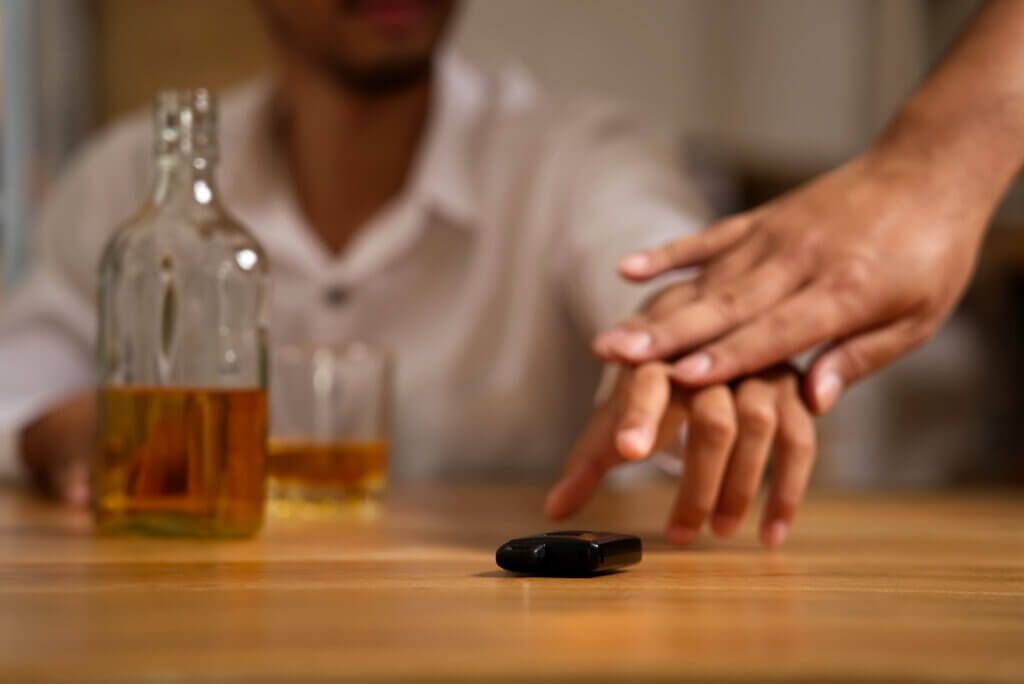
Introduction: The Hidden Epidemic on California Roads
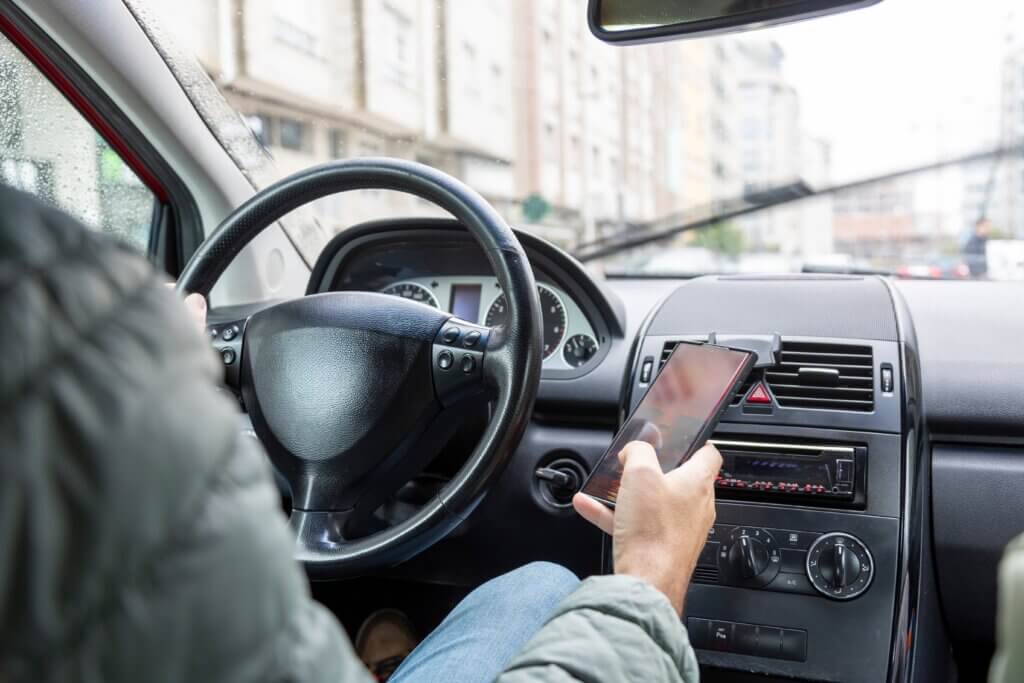
Every day, drivers in California look down at their phones for “just a second.” That second can be the difference between life and death. Despite new laws and public service announcements, distracted driving continues to skyrocket and the truth is, California’s current penalties aren’t nearly strong enough to stop it.
The Weakness of Current Distracted Driving Laws
Right now, getting caught using your phone while driving in California comes with a relatively small fine. For a first offense, the base fine is around $20, and even with additional penalties, the total rarely exceeds $150. For most drivers, that’s a minor inconvenience not a deterrent.
Consider this: the average speeding ticket in California can cost upwards of $490. Yet a violation that could easily cause a fatal crash carries a fraction of that penalty. The law simply doesn’t reflect the true danger distracted driving poses.
The Real Cost of Looking Away for One Second
A quick glance at a text means your eyes leave the road for an average of five seconds. At 55 mph, that’s like driving the length of a football field blindfolded. The National Highway Traffic Safety Administration reports that distracted driving claimed 3,308 lives in the U.S. in 2022: NHTSA – Distracted Driving.
And here in California, thousands of crashes every year are tied directly to drivers who were texting, eating, or fiddling with their GPS instead of paying attention to the road. A single distracted driver can cause catastrophic injuries that cost victims hundreds of thousands in medical bills, lost wages, and lifelong care.
Who Really Wins? The Insurance Industry
Here’s the hard truth: insurance companies quietly benefit when penalties remain low. Higher accident rates mean more premiums collected, and with California’s outdated insurance minimums, many victims end up shouldering medical costs themselves. Insurers can deny or minimize payouts, leaving families financially devastated.
When laws are weak, reckless drivers aren’t motivated to change their behavior, and victims pay the price. Insurance carriers rarely push for stronger penalties because it’s not in their financial interest.
Other States Are Doing More
California isn’t leading the way on road safety the way it should. Other states have adopted tougher penalties, increased fines, and stricter enforcement for drivers caught texting or distracted. Some states even treat distracted driving like DUI, with harsher consequences for repeat offenders.
For example, New York has higher fines and adds points to your license for cell phone use while driving: New York DMV. California should take notes.
What Needs to Change
If California is serious about saving lives, distracted driving penalties must be raised to reflect the real risks. A $20 fine isn’t enough to stop someone from texting behind the wheel. Stronger penalties, stricter enforcement, and public accountability are the only way to change driver behavior.
It’s time to treat distracted driving with the seriousness it deserves. Families shouldn’t have to suffer devastating losses because our laws are stuck in the past.
What Victims Can Do Right Now
Even though the laws are weak, you still have rights if you’ve been injured by a distracted driver. Here’s what you should do:
- Call 911 and get a police report documenting the distracted driving.
- Gather photos, witness statements, and phone records if possible.
- Seek immediate medical treatment and keep records of all bills.
- Contact an experienced personal injury lawyer who knows how to fight back against insurance companies.
At Hillstone Law, we hold distracted drivers and their insurers accountable. Call us today at (855) 691-1691 to protect your rights and get the compensation you deserve.
Conclusion: California Deserves Safer Roads
Until California increases its distracted driving penalties, innocent people will continue to pay the price for others’ bad decisions. Hillstone Law stands with victims and their families, fighting back against negligent drivers and the insurance companies that enable them.
Note: These blog posts are created solely for the use of Hillstone Law. The information is gathered from internet research, publicly available sources, and artificial intelligence (AI) tools such as ChatGPT. While we aim to share helpful and educational content, Hillstone Law does not independently verify every detail. Some information may be incomplete, outdated, or subject to change without notice. If you believe any part of a post is inaccurate, misleading, or infringes upon copyright, please contact Hillstone Law immediately so we can review it and take appropriate action, including correction or removal.
Disclaimer: The material provided in these blogs is for general informational purposes only and should not be considered legal advice. Reading these posts does not create, and is not intended to create, an attorney-client relationship with Hillstone Law. Our intent is to share knowledge, raise awareness, and provide helpful resources to the public; however, Hillstone Law makes no warranties or guarantees about the accuracy, completeness, or reliability of the information provided, and expressly disclaims liability for any actions taken in reliance on it. The photos used in these posts are for illustrative purposes only and do not depict actual clients, individuals, or incidents unless expressly stated. If you or a loved one has been injured in an accident, please contact Hillstone Law at (855) 691-1691. Our attorneys are available to answer your legal questions and help you understand your rights.