Knowing who must maintain sidewalks and who may be liable for injuries on them is essential for both property owners and pedestrians. Sidewalks lie at the edge between public use and private responsibility, which can make liability complicated when accidents happen.
Sidewalk Upkeep Responsibilities
Property owners next to sidewalks often have legal obligations to maintain them. Although sidewalks are part of the public right-of-way, many city or county ordinances require the adjacent property owner to do things like:
- Clear debris, snow, ice or other obstacles
- Repair or smooth cracked, uneven, or broken pavement that could cause someone to trip
- Keep vegetation trimmed back so it does not extend over the sidewalk
- Remove or repair obstructions or hazards in pedestrian paths
Some cities have specific codes requiring property owners to keep sidewalks “safe and free from hazards.”
Municipal and Local Regulations
Different cities have different rules. These local laws may cover:
- What materials and construction standards are permitted for sidewalks
- Minimum width and accessibility requirements
- How quickly property owners must fix reported sidewalk defects
- Inspections or permits needed for repairs
For example many municipalities require a property owner to make repairs within a fixed time after being notified of a dangerous condition.
Public vs Private Property Issues
Because sidewalks are often public but lie adjacent to private property, things like easements or right-of-way come into play. Even though the sidewalk is available for public use, the property owner may still have duty to keep it safe under city rules.
Commercial properties tend to face stricter requirements, especially for accessibility, pedestrian traffic, and safety standards.
Liability When Sidewalks Cause Injuries
If someone trips or is injured on a sidewalk defect liability might fall on:
- The property owner next to the sidewalk, if they failed to address a known hazard or should have discovered it
- The city or municipality, particularly if it had notice of the condition and did nothing about it
- Third parties (for instance, utility companies or tree owners) who caused damage or failed to repair what they disturbed
- Sometimes shared liability if more than one party contributed
To make a liability claim someone must show:
- That there was a legal duty to maintain the sidewalk properly
- That the duty was breached (by action or inaction)
- That the breach caused the injury
- That actual damages resulted (medical costs, pain and suffering, etc.)
Common Sidewalk Defects That Cause Accidents
Some of the most frequent hazards include:
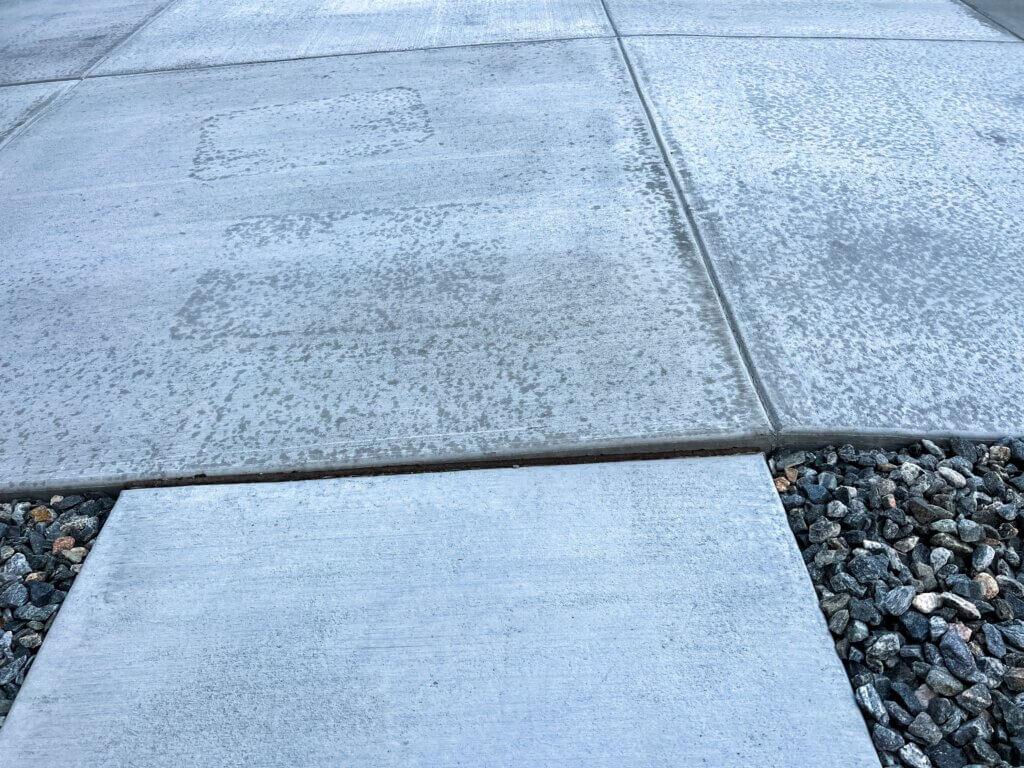
- Pavement panels out of level (differences in height between sections)
- Broken or cracked concrete
- Tree roots pushing up sections of sidewalk
- Uneven or deteriorated curb cuts or ramps
- Utility covers or street fixtures not flush with walking surface
These defects pose higher risks to seniors, people with mobility impairments, or children.
What Property Owners Can Do to Reduce Risk
- Conduct regular inspections of sidewalks adjacent to the property
- Promptly repair known hazards or notify the city if the condition is beyond what owner can fix
- Keep records of repairs, notices, or inspections
- Cooperate with municipal programs or sidewalk repair programs if offered
How Hillstone Law Can Help
If you are injured because of a dangerous sidewalk condition or if you are a property owner facing liability, Hillstone Law can help:
- Identify who is responsible under local and state laws
- Gather evidence like photos, maintenance records, witness statements
- Review notifications or prior reports showing knowledge of the hazard
- Help with filing claims or lawsuits to seek compensation for injuries including medical bills, lost income, pain and suffering
Note: These blog posts are created solely for the use of Hillstone Law. The information is gathered from internet research, publicly available sources, and artificial intelligence (AI) tools such as ChatGPT. While we aim to share helpful and educational content, Hillstone Law does not independently verify every detail. Some information may be incomplete, outdated, or subject to change without notice. If you believe any part of a post is inaccurate, misleading, or infringes upon copyright, please contact Hillstone Law immediately so we can review it and take appropriate action, including correction or removal.
Disclaimer: The material provided in these blogs is for general informational purposes only and should not be considered legal advice. Reading these posts does not create, and is not intended to create, an attorney-client relationship with Hillstone Law. Our intent is to share knowledge, raise awareness, and provide helpful resources to the public; however, Hillstone Law makes no warranties or guarantees about the accuracy, completeness, or reliability of the information provided, and expressly disclaims liability for any actions taken in reliance on it. The photos used in these posts are for illustrative purposes only and do not depict actual clients, individuals, or incidents unless expressly stated. If you or a loved one has been injured in an accident, please contact Hillstone Law at (855) 691-1691. Our attorneys are available to answer your legal questions and help you understand your rights.