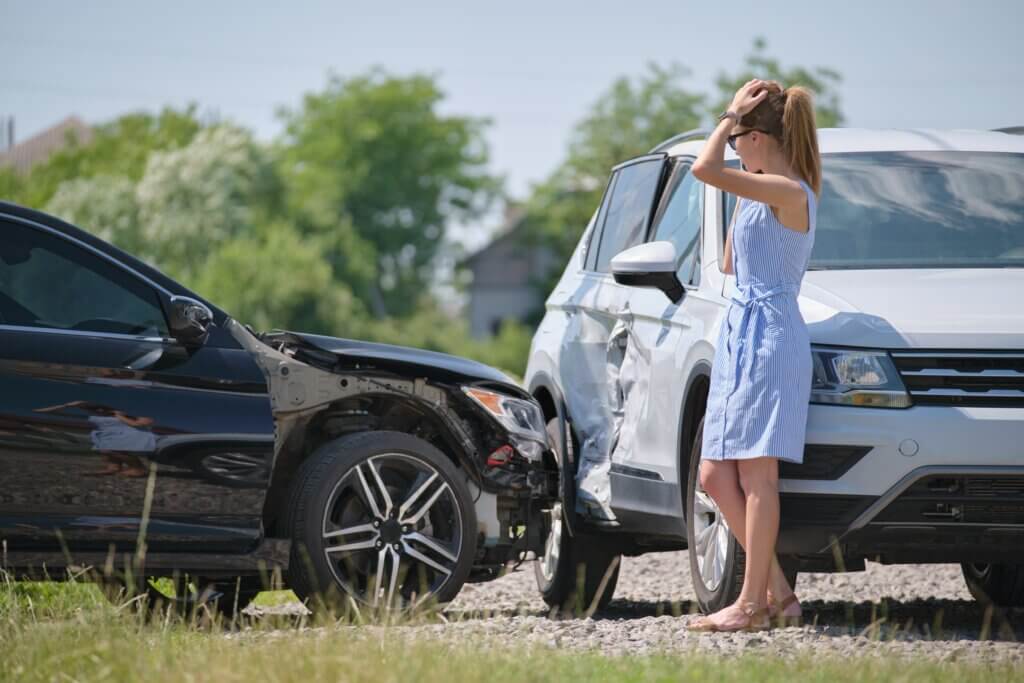
After a minor collision, the other driver might offer to pay you directly with no insurance, no police, and quick cash. That can sound appealing. But in California accepting a private payment after a crash carries serious legal and financial dangers. Understanding those risks is essential before you agree to anything.
What Is an Out of Pocket Crash Payment
An out of pocket payment is when the at fault driver offers to pay you directly by cash, check, or promise rather than involving insurance or law enforcement. People often make or accept such offers to avoid premium increases, avoid paperwork, or conceal other issues such as being uninsured or under the influence. What seems simple can quickly become a trap.
Is It Legal to Accept Private Payment
Technically yes, you can agree privately, but that does not exempt you from legal obligations. Under California law, if a crash causes more than 1,000 dollars in property damage, any injury no matter how mild, or a fatality, you are required to report that collision to the DMV within 10 days using the SR 1 form.
Failing to comply, even if you have accepted private payment, can result in license suspension, insurance consequences, or legal penalties. The private offer does not erase the statutory reporting duty.
The Dangers of Accepting Private Payment
There are multiple serious risks you expose yourself to.
You might lose your right to additional compensation
Accepting cash or a check, even informally, can be viewed as a final settlement. If additional injuries or vehicle damage appear later, you might be legally barred from pursuing them.
You could violate reporting laws
Even if the other driver insists on keeping it quiet, you remain legally required to report qualifying crashes to the DMV. Ignoring that demand can hurt your driving status or insurance coverage.
The at fault driver may not pay
Without a formal, enforceable agreement, there is no guarantee they will pay the full amount or pay at all. They might change their story, provide false contact information, or deny the crash.
Hidden damages and injuries may appear later
Some vehicle damage is internal or structural and not immediately visible. Injuries like whiplash, concussions, or internal trauma often develop hours or days later. If you settle too soon, you may end up paying for repairs or medical bills yourself.
You waive legal protections
Filing a formal insurance claim gives you access to documented medical evaluations, expert damage assessments, a legal record of the crash, and the ability to pursue full compensation. Private payments lack those safeguards.
What You Should Do Instead
To protect yourself after a car crash, follow these steps.
Exchange full contact and insurance information with the other driver
Take photos of all damage, license plates, roadway conditions, and visible injuries
File a police report if any injury is suspected or if required by law
Seek medical evaluation, even for minor symptoms
Notify your insurance company promptly, even if you are unsure whether to file a claim
Avoid making private agreements without legal advice
How Hillstone Law Can Help
Dealing with a crash, especially when someone offers private payment, can be confusing and risky. At Hillstone Law we assist by
Assessing whether the private offer protects your rights
Calculating full damages including hidden injuries and future care
Ensuring any agreement is legally enforceable
Communicating with insurers on your behalf
Protecting you from mistakes that could harm your rights in future claims
If you have been offered cash after a collision or are weighing whether to accept an out of pocket payment, contact Hillstone Law. We can review your situation, explain your options, and help you make decisions that preserve your health and legal rights.
Note: These blog posts are created solely for the use of Hillstone Law. The information is gathered from internet research, publicly available sources, and artificial intelligence (AI) tools such as ChatGPT. While we aim to share helpful and educational content, Hillstone Law does not independently verify every detail. Some information may be incomplete, outdated, or subject to change without notice. If you believe any part of a post is inaccurate, misleading, or infringes upon copyright, please contact Hillstone Law immediately so we can review it and take appropriate action, including correction or removal.
Disclaimer: The material provided in these blogs is for general informational purposes only and should not be considered legal advice. Reading these posts does not create, and is not intended to create, an attorney-client relationship with Hillstone Law. Our intent is to share knowledge, raise awareness, and provide helpful resources to the public; however, Hillstone Law makes no warranties or guarantees about the accuracy, completeness, or reliability of the information provided, and expressly disclaims liability for any actions taken in reliance on it. The photos used in these posts are for illustrative purposes only and do not depict actual clients, individuals, or incidents unless expressly stated. If you or a loved one has been injured in an accident, please contact Hillstone Law at (855) 691-1691. Our attorneys are available to answer your legal questions and help you understand your rights.