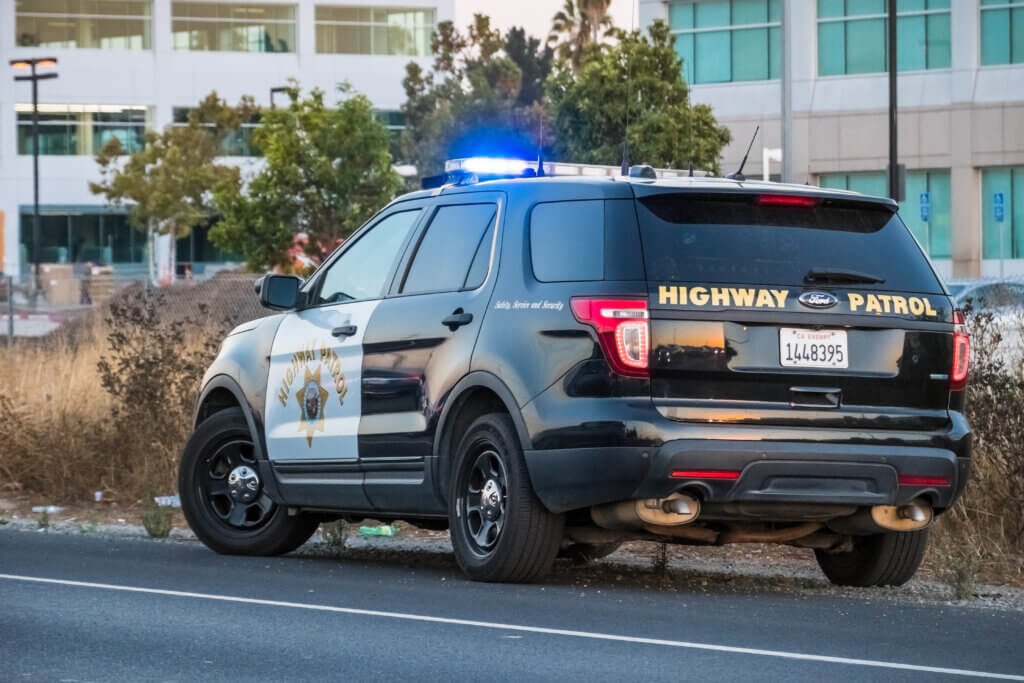
If a police car collides with you whether you are the driver, a passenger, or a pedestrian you may feel overwhelmed and uncertain of what comes next You deserve answers and guidance Because in California law enforcement and government agencies may be liable for auto accidents involving their vehicles
The First Steps After the Crash
Make sure you and others at the scene are safe Check whether you have been injured If so call for medical attention or ask the officer to do so Even if you do not think your injuries are serious sometimes symptoms appear later Accepting prompt medical care helps your health and preserves evidence Avoid admitting fault Speak carefully and stick to facts It is up to others or eventually a court to decide who is responsible
Document everything Take photos of the scene the vehicles involved any skid marks damaged nearby structures traffic signals or signs that might show what happened Get contact and license information from anyone involved and any witnesses Save all communication with the police including reports if possible
Reach out to an experienced injury attorney quickly Cases involving police vehicles often involve extra rules and delays because the at-fault party may be a city or government agency insurance claims may require special procedures
How Liability Is Determined
Law enforcement officers must follow a duty of care just like any other driver If they act negligently even while on duty you may recover compensation An officer may have more latitude to do certain things like use lights or sirens or disobey some traffic laws but only if they are responding to a legitimate emergency and are doing so properly
If the officer was speeding without reason driving recklessly under influence making illegal turns failing to yield or violating traffic rules without justification those actions could be evidence of negligence
Sometimes more than one party is involved Perhaps the officer was chasing a suspect another driver interfered or road conditions played a role A good attorney will trace all contributing factors
Emergency Vehicle Exemptions
California law provides that emergency vehicles have certain exemptions from traffic laws under specific conditions They must be responding to an emergency using properly functioning lights and sirens if required Even then those exemptions are not absolute If an officer fails to follow the required criteria they may be held liable
Pursuing Compensation
If an officer was negligent and caused your injuries the government agency employing that officer (city county or state) may be responsible Financial recovery may include medical expenses lost wages property damage pain and suffering In wrongful death cases family members may recover funeral costs lost earnings companionship and other damages
Note you must act quickly to preserve your rights If the claim is against a government entity in California you typically must give written notice within six months of the injury or death The usual statute of limitations for personal injury or wrongful death cases is two years for injuries and three years for property damage but against a public agency the rules can be stricter
Hillstone Law’s Role
Hillstone Law will help you gather evidence interpret the rules that govern emergency vehicles assess whether the officer was properly acting under California law and build a strong case to pursue maximum compensation We will guide you through claims or lawsuits against public agencies or individual negligent officers
What to Do Next
If a police car accident has injured you do not try to handle it alone Contact Hillstone Law today for a free consultation We’ll review your case your rights options and map out the best path forward to protect your interests and secure the compensation you deserve
Note: These blog posts are created solely for the use of Hillstone Law. The information is gathered from internet research, publicly available sources, and artificial intelligence (AI) tools such as ChatGPT. While we aim to share helpful and educational content, Hillstone Law does not independently verify every detail. Some information may be incomplete, outdated, or subject to change without notice. If you believe any part of a post is inaccurate, misleading, or infringes upon copyright, please contact Hillstone Law immediately so we can review it and take appropriate action, including correction or removal.
Disclaimer: The material provided in these blogs is for general informational purposes only and should not be considered legal advice. Reading these posts does not create, and is not intended to create, an attorney-client relationship with Hillstone Law. Our intent is to share knowledge, raise awareness, and provide helpful resources to the public; however, Hillstone Law makes no warranties or guarantees about the accuracy, completeness, or reliability of the information provided, and expressly disclaims liability for any actions taken in reliance on it. The photos used in these posts are for illustrative purposes only and do not depict actual clients, individuals, or incidents unless expressly stated. If you or a loved one has been injured in an accident, please contact Hillstone Law at (855) 691-1691. Our attorneys are available to answer your legal questions and help you understand your rights.