Introduction
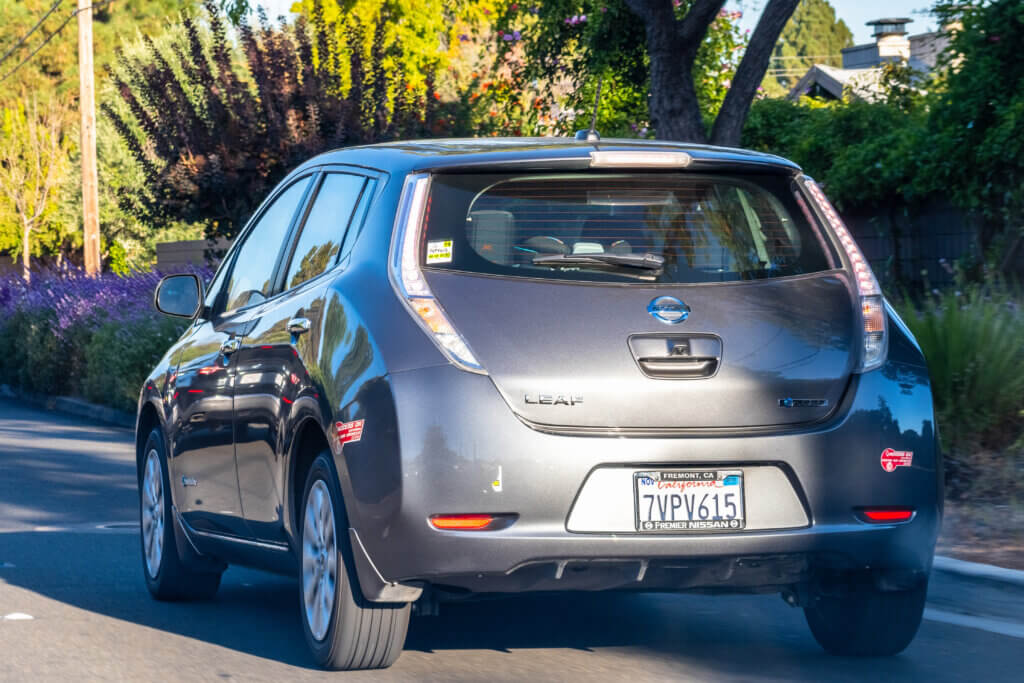
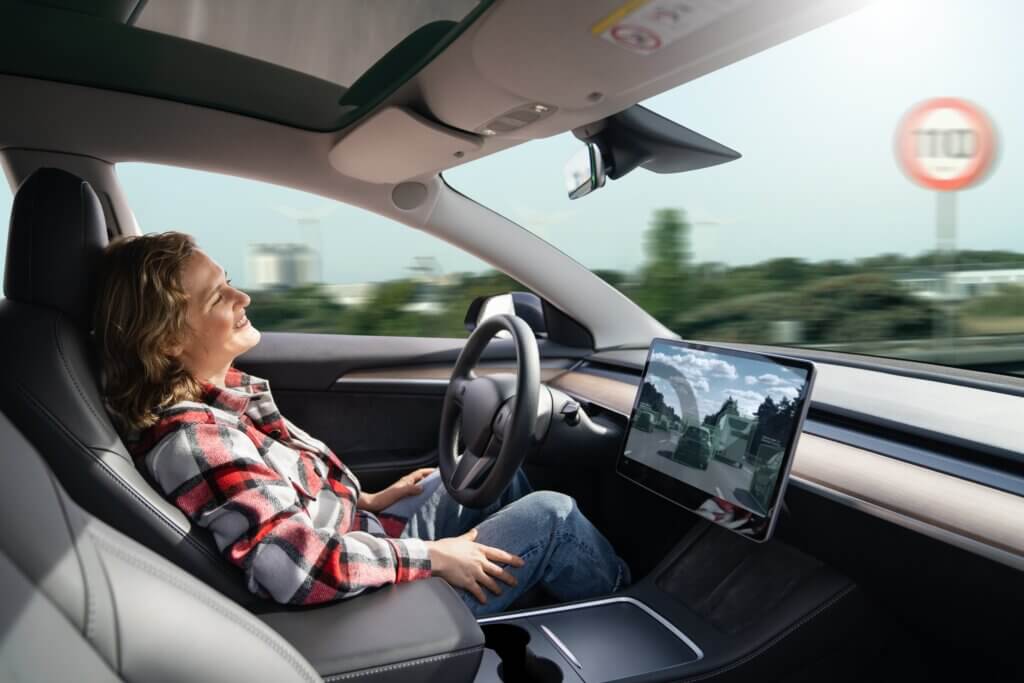
Tesla’s Autopilot and Full Self-Driving (FSD) features have been making headlines again after another high-profile crash in California. While Tesla markets its cars as advanced and “safer than human drivers,” these accidents raise serious questions about liability, safety, and the future of self-driving technology.
The Recent Crash: What Happened?
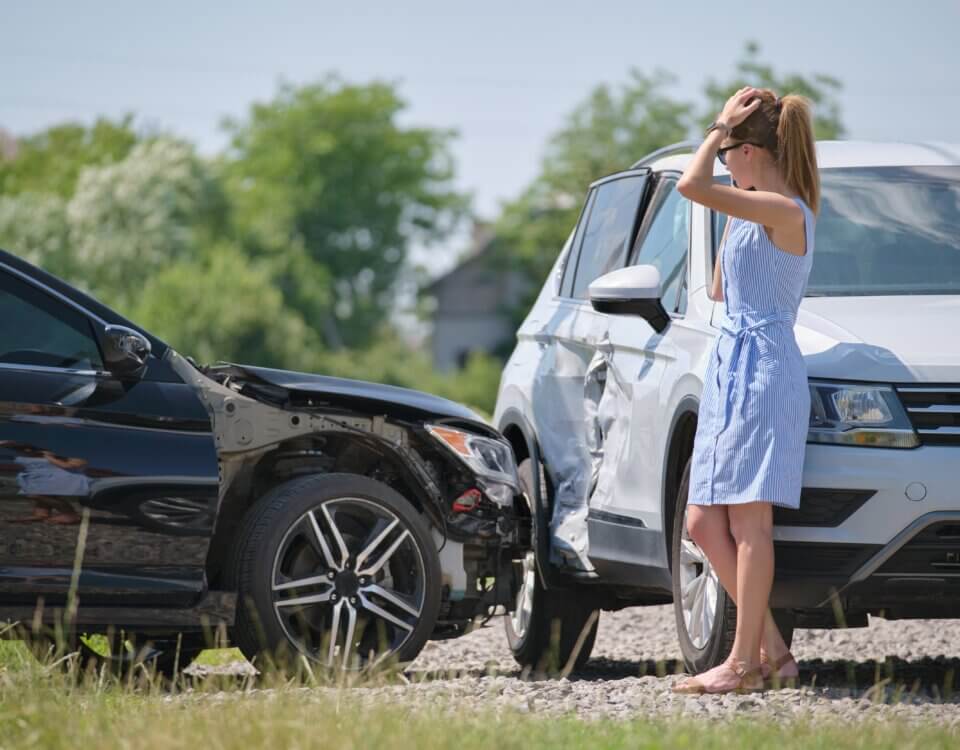
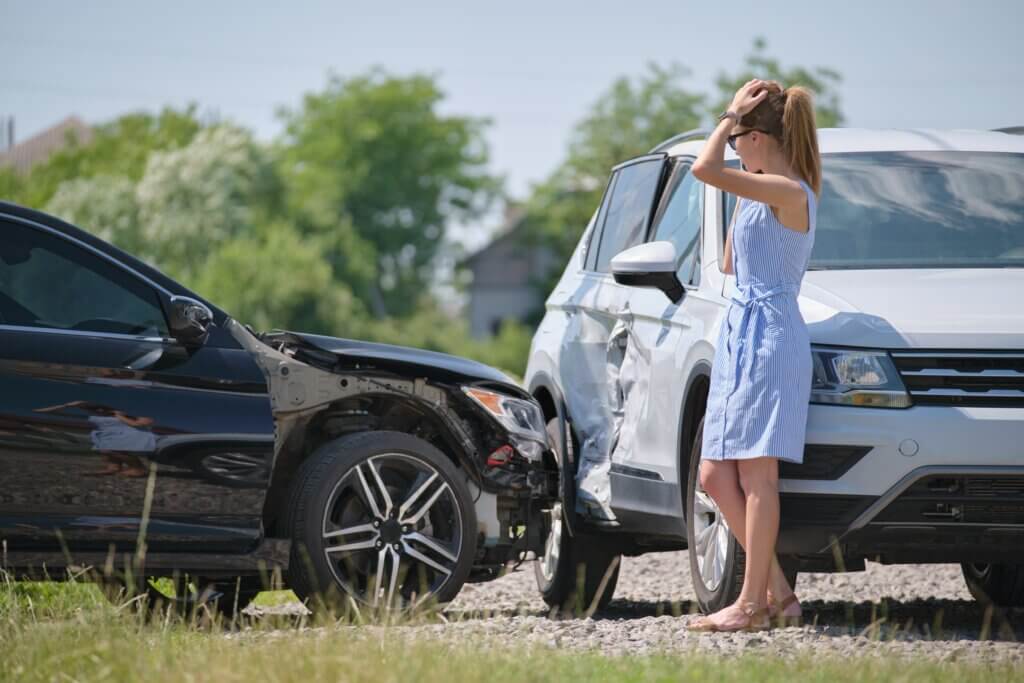
According to reports, a Tesla operating in Autopilot mode was involved in a collision that left multiple people injured. Investigations are still ongoing, but early findings suggest the driver may have relied too heavily on the system, failing to intervene when necessary.
This isn’t the first time Autopilot has been linked to serious accidents. The National Highway Traffic Safety Administration (NHTSA) has already opened multiple probes into Tesla’s driver-assist features, and California lawmakers are paying close attention.
Who Is Liable in Self-Driving Car Accidents?
One of the most pressing legal questions is: Who’s responsible when an Autopilot crash occurs?
- The Driver: Tesla requires drivers to keep their hands on the wheel and stay alert. If they fail to do so, they could be found negligent.
- Tesla: If the technology malfunctioned or created unreasonable risks, Tesla could face product liability claims.
- Other Drivers: In some cases, another driver’s reckless or distracted behavior may also play a role.
These cases often become complex, with multiple parties sharing responsibility.
What California Drivers Should Know
If you own or drive a Tesla with Autopilot:
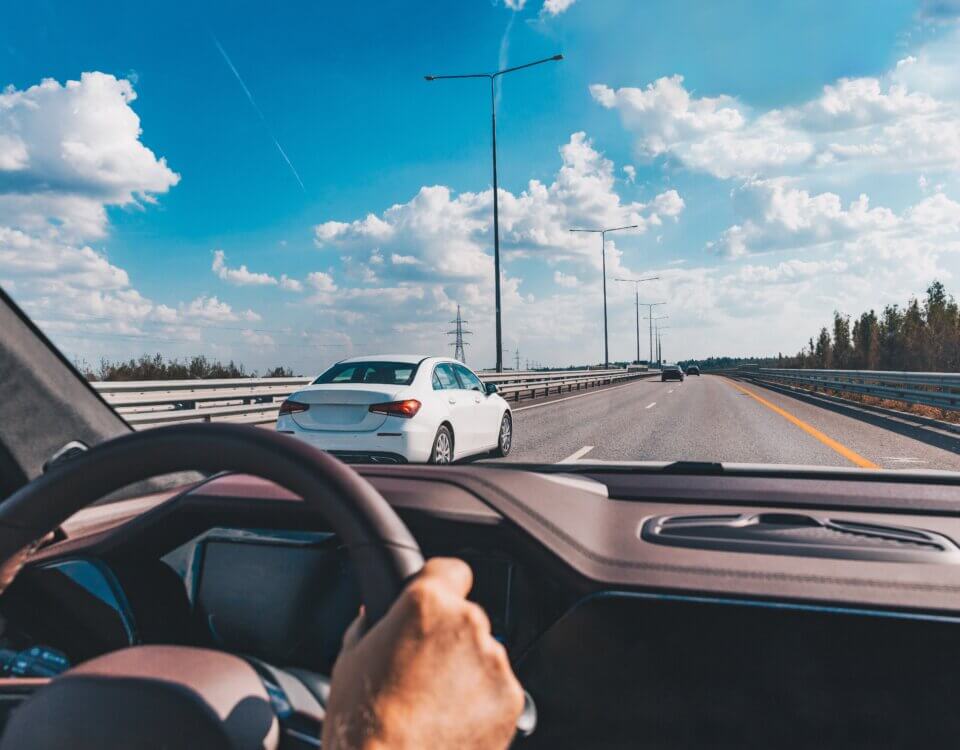
- Stay Engaged: Autopilot is not fully autonomous, always keep your hands on the wheel.
- Document Everything: If an accident happens, save dashcam footage and car data if possible.
- Know Your Rights: Victims of self-driving car accidents may be entitled to compensation for medical bills, lost income, and pain and suffering.
Why These Cases Matter
Every high-profile Autopilot crash pushes the legal system closer to setting standards for self-driving vehicles. California, as a hub for both tech and traffic, will likely lead the way in shaping these rules. For now, drivers and victims should remain vigilant both on the road and in understanding their legal options.
Final Thoughts
While Tesla continues to innovate, safety should never take a back seat. If you or a loved one has been injured in an accident involving a Tesla or another self-driving vehicle, it’s important to speak with an experienced personal injury attorney who understands these cutting-edge cases.
Note: These blog posts are created solely for the use of Hillstone Law. The information is gathered from internet research, publicly available sources, and artificial intelligence (AI) tools such as ChatGPT. While we aim to share helpful and educational content, Hillstone Law does not independently verify every detail. Some information may be incomplete, outdated, or subject to change without notice. If you believe any part of a post is inaccurate, misleading, or infringes upon copyright, please contact Hillstone Law immediately so we can review it and take appropriate action, including correction or removal.
Disclaimer: The material provided in these blogs is for general informational purposes only and should not be considered legal advice. Reading these posts does not create, and is not intended to create, an attorney-client relationship with Hillstone Law. Our intent is to share knowledge, raise awareness, and provide helpful resources to the public; however, Hillstone Law makes no warranties or guarantees about the accuracy, completeness, or reliability of the information provided, and expressly disclaims liability for any actions taken in reliance on it. The photos used in these posts are for illustrative purposes only and do not depict actual clients, individuals, or incidents unless expressly stated. If you or a loved one has been injured in an accident, please contact Hillstone Law at (855) 691-1691. Our attorneys are available to answer your legal questions and help you understand your rights.