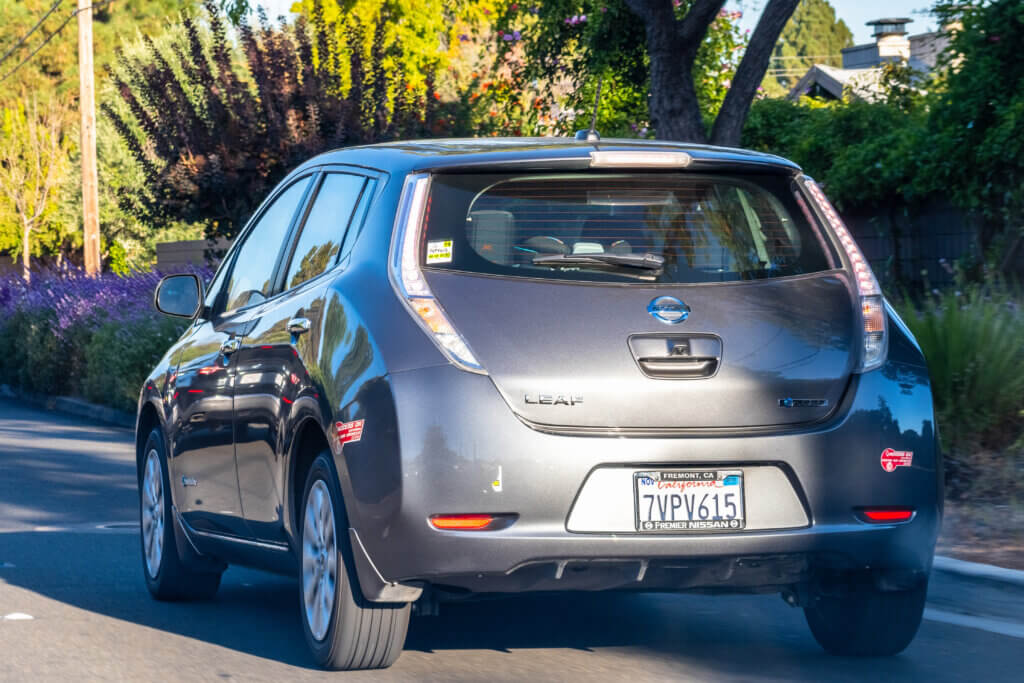
Being struck from behind can be disorienting and painful. If this happens, your actions in the aftermath can significantly impact your health and your legal rights.
Immediate Actions at the Scene
Stay calm and make sure everyone is safe. If possible, move your vehicle out of traffic and turn on hazard lights. Call 911 so police and emergency responders can arrive. An official report is important for both medical and legal reasons.
Take clear photos of the vehicles, the accident scene, road conditions, and any visible injuries. Collect the contact details of the other driver and any witnesses. Documentation is one of the most powerful tools you can have after a crash.
Follow Up After the Scene
Contact your insurance company promptly to report the collision. Early notification prevents problems later with your claim.
See a doctor even if you feel fine. Injuries like whiplash or internal trauma may not show up right away. Medical records also serve as vital evidence if you pursue compensation.
Have your car checked by a professional mechanic. Some rear end damage may not be visible but can affect your car’s safety.
If your injuries affect your ability to work, inform your employer as soon as possible. Keeping them updated protects your benefits and provides necessary documentation.
Consult an Attorney
Even a minor rear end collision can lead to complicated insurance and legal issues. An experienced personal injury lawyer can protect your rights, handle the insurance company, and ensure that important evidence is preserved.
Getting legal advice early prevents mistakes and helps strengthen your case. With the right guidance, you avoid common pitfalls and focus on healing while your attorney handles the details.
Why This Process Matters for Hillstone Law Clients
- Acting quickly protects your rights. Timely medical care, reports, and evidence create a strong case.
- Detailed records strengthen your claim. Photos, medical notes, and witness accounts make your case more persuasive.
- Legal representation ensures fairness. Insurance companies may attempt to limit payouts, even when the accident was clearly not your fault.
Note: These blog posts are created solely for the use of Hillstone Law. The information is gathered from internet research, publicly available sources, and artificial intelligence (AI) tools such as ChatGPT. While we aim to share helpful and educational content, Hillstone Law does not independently verify every detail. Some information may be incomplete, outdated, or subject to change without notice. If you believe any part of a post is inaccurate, misleading, or infringes upon copyright, please contact Hillstone Law immediately so we can review it and take appropriate action, including correction or removal.
Disclaimer: The material provided in these blogs is for general informational purposes only and should not be considered legal advice. Reading these posts does not create, and is not intended to create, an attorney-client relationship with Hillstone Law. Our intent is to share knowledge, raise awareness, and provide helpful resources to the public; however, Hillstone Law makes no warranties or guarantees about the accuracy, completeness, or reliability of the information provided, and expressly disclaims liability for any actions taken in reliance on it. The photos used in these posts are for illustrative purposes only and do not depict actual clients, individuals, or incidents unless expressly stated. If you or a loved one has been injured in an accident, please contact Hillstone Law at (855) 691-1691. Our attorneys are available to answer your legal questions and help you understand your rights.