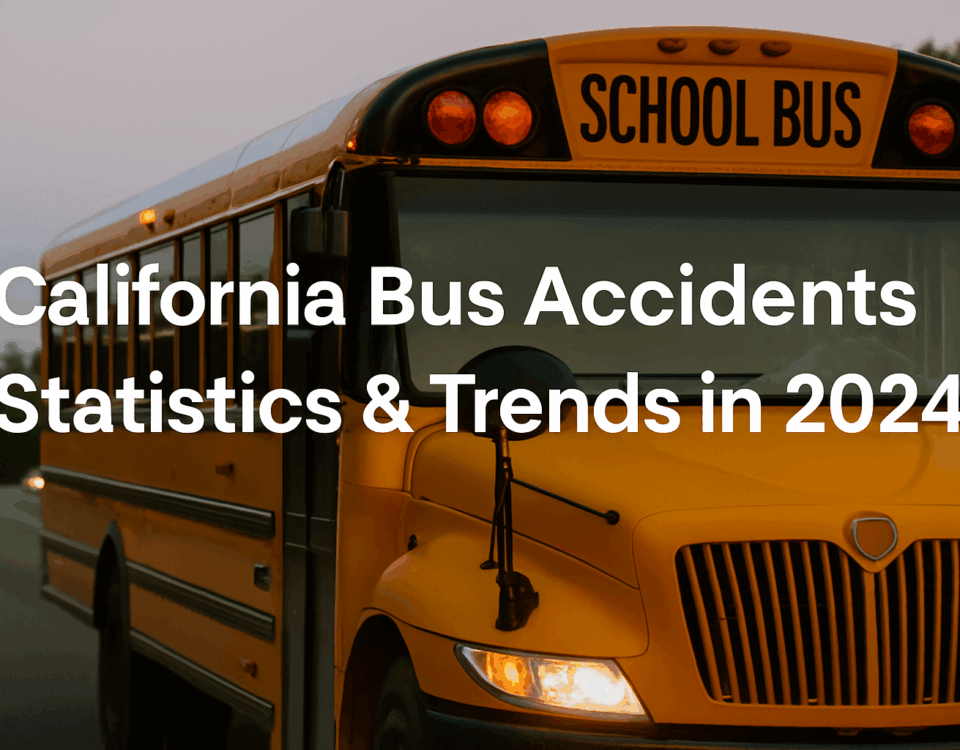
School bus stops are busy gathering points where children, parents, and vehicles all converge, creating potential hazards. By understanding the risks and following best practices, parents can help keep their children safe during pick-up and drop-off times.
Common Safety Risks at Bus Stops
- Distracted Drivers: Passing vehicles may fail to notice stopped buses or crossing children.
- Poorly Lit or Isolated Stops: Limited visibility can increase accident risks, especially in early mornings or late afternoons.
- Unsupervised Young Children: Kids may run into the street or play near traffic.
- Improper Crossing: Children crossing behind the bus or outside designated areas face higher danger.
Safety Tips for Parents and Guardians
- Arrive Early: Be at the stop with your child at least five minutes before the bus arrives.
- Choose Safe Clothing: Bright or reflective clothing helps drivers spot children.
- Teach Proper Crossing: Instruct kids to cross at least 10 feet in front of the bus, never behind it.
- Supervise Young Kids: Stay with younger children until they are safely on board or back home.
What Drivers Need to Know
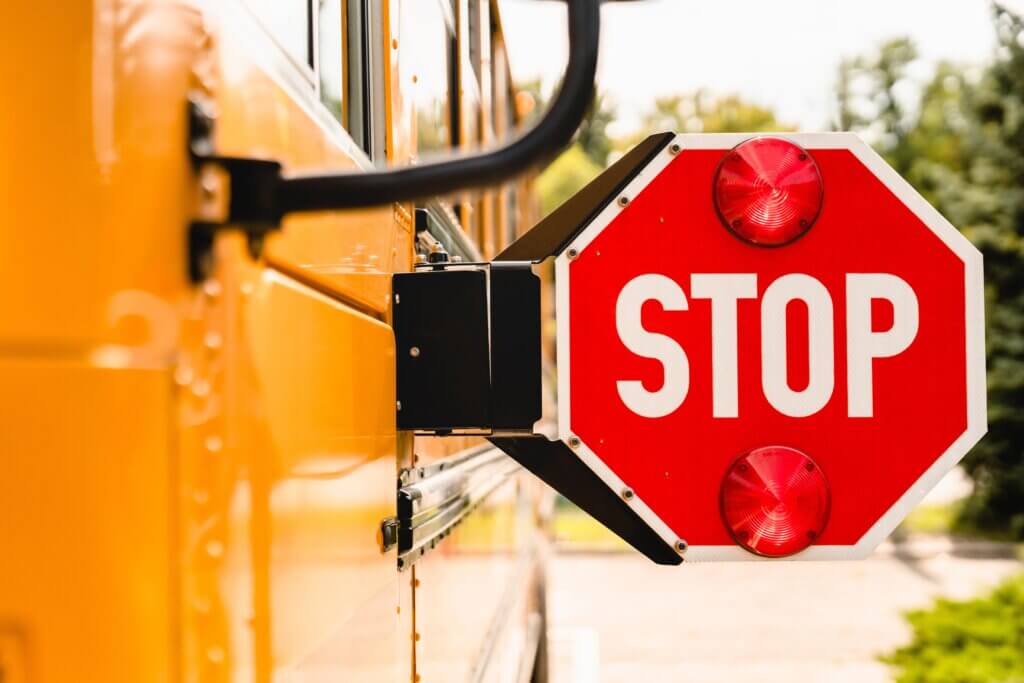
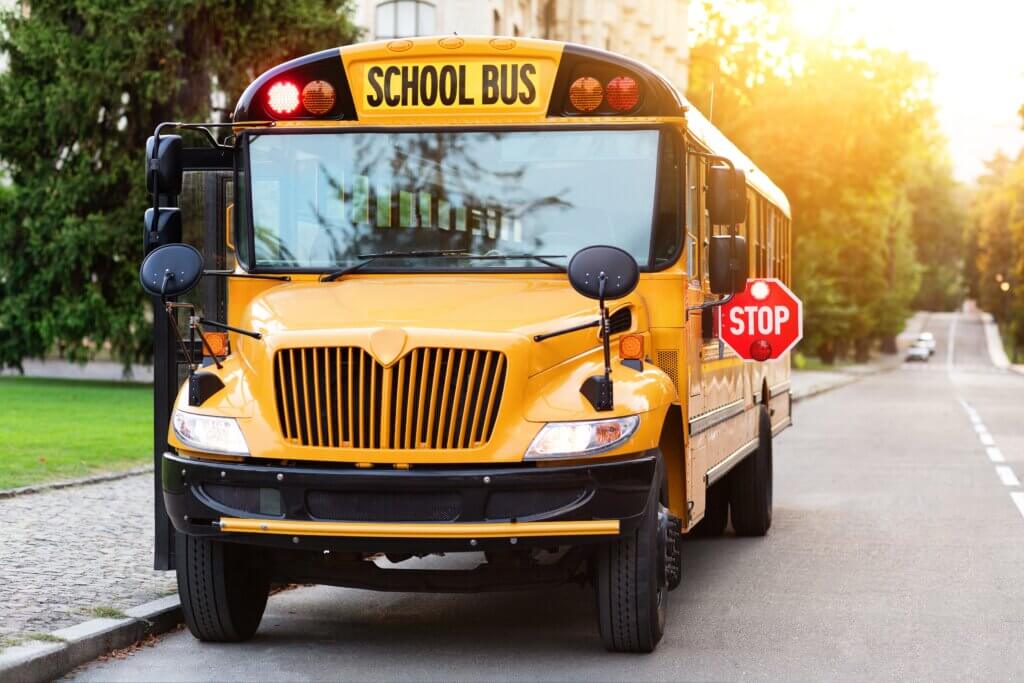
- Stop for School Buses: California law requires drivers to stop when a school bus has flashing red lights and an extended stop sign.
- Be Patient: Wait until the bus moves or the driver signals it’s safe before proceeding.
- Slow Down Near Stops: Anticipate children crossing even if the bus isn’t present.
Community and School Efforts
- Improve Lighting and Signage: Work with local officials to enhance visibility and install warning signs.
- Advocate for Crossing Guards: Busy or dangerous stops may need additional adult supervision.
- Educate Students: Schools can run bus safety programs to reinforce safe behavior.
Keeping Kids Safe Every Day
By working together parents, drivers, schools, and communities Californians can ensure bus stops remain safe spaces where children begin and end their school days without unnecessary risk.
Note: These blog posts are created solely for the use of Hillstone Law. The information is gathered from internet research, publicly available sources, and artificial intelligence (AI) tools such as ChatGPT. While we aim to share helpful and educational content, Hillstone Law does not independently verify every detail. Some information may be incomplete, outdated, or subject to change without notice. If you believe any part of a post is inaccurate, misleading, or infringes upon copyright, please contact Hillstone Law immediately so we can review it and take appropriate action, including correction or removal.
Disclaimer: The material provided in these blogs is for general informational purposes only and should not be considered legal advice. Reading these posts does not create, and is not intended to create, an attorney-client relationship with Hillstone Law. Our intent is to share knowledge, raise awareness, and provide helpful resources to the public; however, Hillstone Law makes no warranties or guarantees about the accuracy, completeness, or reliability of the information provided, and expressly disclaims liability for any actions taken in reliance on it. The photos used in these posts are for illustrative purposes only and do not depict actual clients, individuals, or incidents unless expressly stated. If you or a loved one has been injured in an accident, please contact Hillstone Law at (855) 691-1691. Our attorneys are available to answer your legal questions and help you understand your rights.