Distracted driving and inattentive driving often seem similar but they are different in important ways. Knowing how they differ can help you drive more safely and understand legal implications if an accident happens.
What Is Distracted Driving
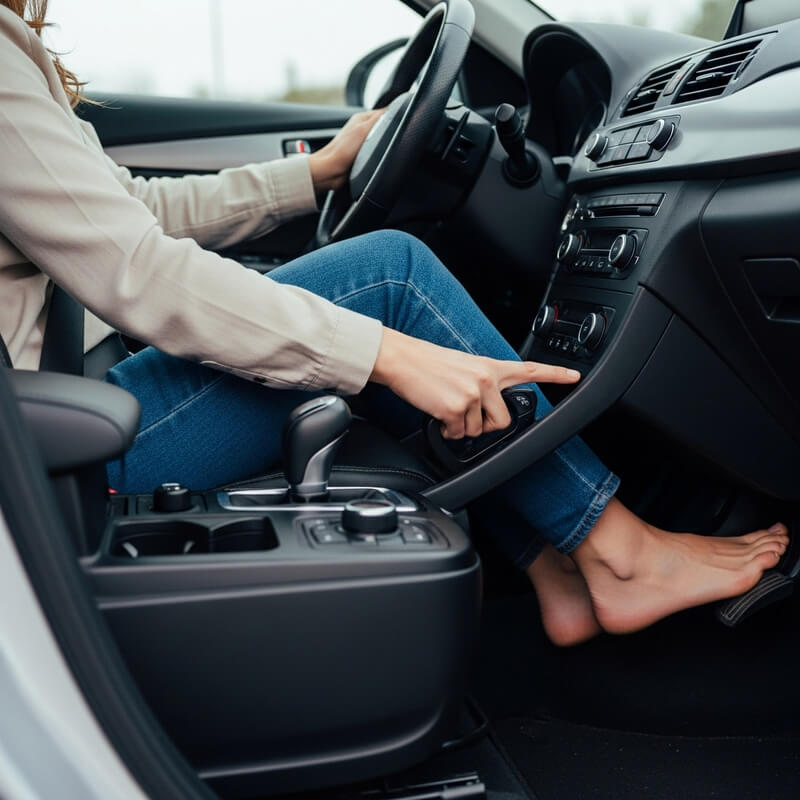
Distracted driving happens when a driver does something that takes attention away from driving. Distractions include anything that makes you take your eyes off the road, hands off the wheel, or mind off driving. Examples include texting, eating or drinking, changing music, looking at a phone map, or reaching for something in the car. California law treats many of these behaviors as illegal, especially using cell phones or wireless devices while driving.
What Is Inattentive Driving
Inattentive driving is a type of distracted driving that focuses on mental distraction. This happens when your thoughts drift, you daydream or you are otherwise not mentally focused on driving. Unlike visual or manual distractions, inattentive driving often happens without realizing it. Common causes are fatigue, stress, or zoning out.
Why the Difference Matters Legally and for Safety
Because distracted driving covers more obvious acts like texting or using a phone, it may be easier to prove in court or in an insurance claim. Inattentive driving is harder to detect but can be just as dangerous.
California has specific laws banning certain types of distracted driving behaviors, for example holding a phone or texting. Violating those laws helps show negligence when someone is injured.
Inattentive driving may still be considered negligence even if the driver did not violate a specific statute, especially when evidence shows they should have been aware of risks or changed their behavior.
Common Signs of Each
| Type | Example Behaviors |
|---|---|
| Distracted Driving | Looking at phone, dialing numbers, changing radio station, using navigation while holding it |
| Inattentive Driving | Daydreaming, fatigue, emotional distress, mind wandering |
What You Can Do to Stay Safe
- Make driving your primary focus and avoid multitasking
- Put phones away or set them to do not disturb mode while driving
- Take breaks on long trips and avoid driving when tired
- Use passenger help if possible, letting them change music or handle navigation
How Hillstone Law Can Help
If you are involved in a crash where distracted or inattentive driving may be a factor, Hillstone Law can help you analyze the evidence, review available records such as police reports or witness statements, determine whether driver behavior supports a claim, and pursue compensation for medical bills, lost wages, pain, and suffering.
Note: These blog posts are created solely for the use of Hillstone Law. The information is gathered from internet research, publicly available sources, and artificial intelligence (AI) tools such as ChatGPT. While we aim to share helpful and educational content, Hillstone Law does not independently verify every detail. Some information may be incomplete, outdated, or subject to change without notice. If you believe any part of a post is inaccurate, misleading, or infringes upon copyright, please contact Hillstone Law immediately so we can review it and take appropriate action, including correction or removal.
Disclaimer: The material provided in these blogs is for general informational purposes only and should not be considered legal advice. Reading these posts does not create, and is not intended to create, an attorney-client relationship with Hillstone Law. Our intent is to share knowledge, raise awareness, and provide helpful resources to the public; however, Hillstone Law makes no warranties or guarantees about the accuracy, completeness, or reliability of the information provided, and expressly disclaims liability for any actions taken in reliance on it. The photos used in these posts are for illustrative purposes only and do not depict actual clients, individuals, or incidents unless expressly stated. If you or a loved one has been injured in an accident, please contact Hillstone Law at (855) 691-1691. Our attorneys are available to answer your legal questions and help you understand your rights.