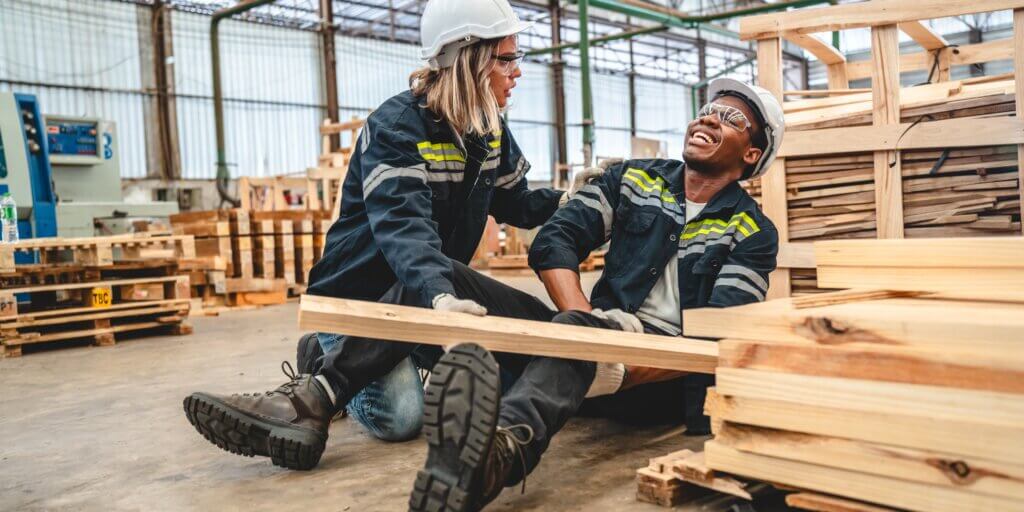
Ontario is a major hub in the Inland Empire for logistics, distribution, and fulfillment operations. With companies like Amazon, FedEx, UPS, and Target operating large warehouse centers, many workers face physically demanding conditions. The fast pace, high productivity standards, and often tight safety margins lead to a notable increase in workplace injuries. Many injured warehouse workers are unsure of their legal rights or believe reporting injuries may threaten their job or cause retaliation.
Common Warehouse Injuries
- Back and Spinal Injuries
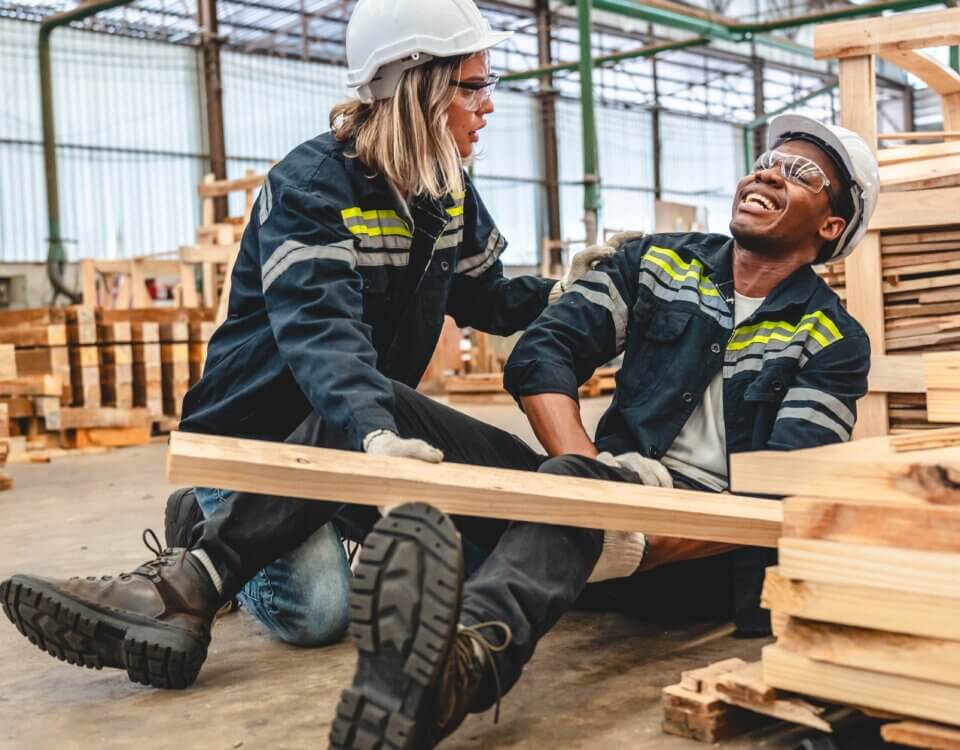
Lifting and carrying heavy loads, twisting or bending improperly, working long hours in awkward positions, or using equipment that is not properly maintained can all cause injury. Symptoms may include persistent pain, stiffness, numbness, or shooting pain down the legs. Without proper care, these injuries may become permanent or reduce mobility. - Slip, Trip, and Fall Accidents
Wet or slick floors, spilled liquids, loose cords or hoses, uneven or cluttered walkways, poor lighting all contribute. Injuries may include broken wrists, ankles, knees, hip injuries, head trauma or back injuries. - Equipment and Forklift Accidents
Forklifts, pallet jacks, conveyors and other heavy machinery pose significant risk. Workers may be struck, pinned, or caught in malfunctioning equipment. Accidents from inadequate training, rushed operation, poor visibility or failure to maintain equipment are unfortunately common. - Repetitive Motion or Overuse Injuries
Workers who perform repeated motions over long shifts, such as order pickers, packers, or those using scanning and labeling equipment, may suffer strain to joints, tendons or muscles. Conditions like tendonitis, carpal tunnel syndrome or joint pain develop gradually and may limit function or require long-term medical care. - Falling Objects
Items stored high on shelves that are improperly secured, loose pallets, tools or materials placed overhead, or instability caused by movement or vibration can lead to falling object accidents. Injuries from these can include head trauma, shoulder or spinal injuries, cuts or fractures.
How a Lawyer Helps Injured Warehouse Workers
- Workers’ Compensation vs Third-Party Claims
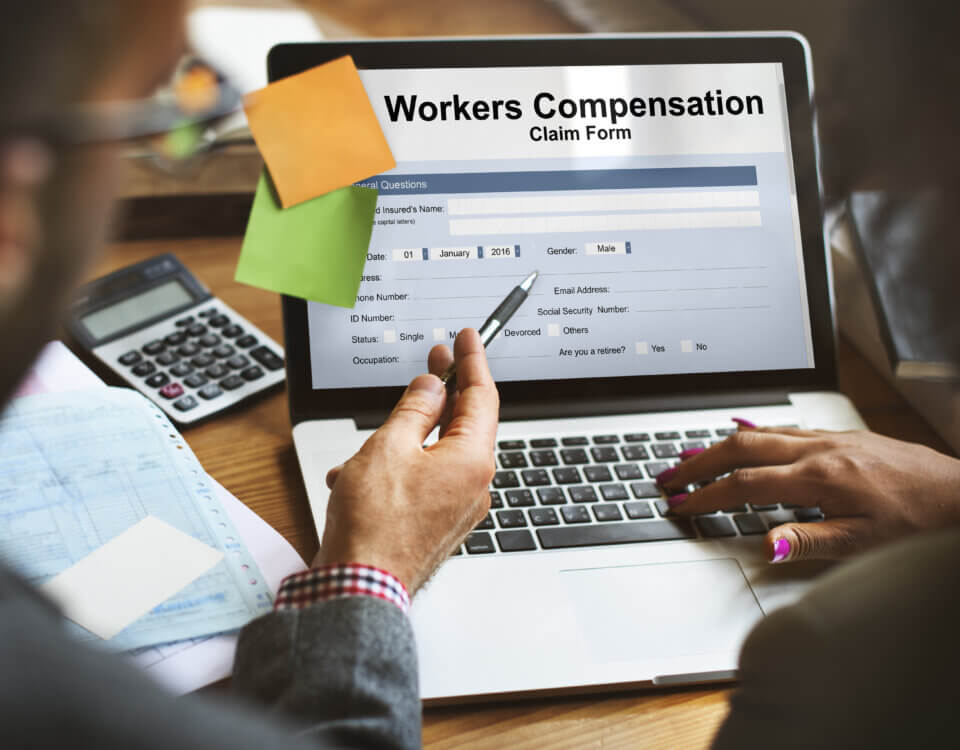
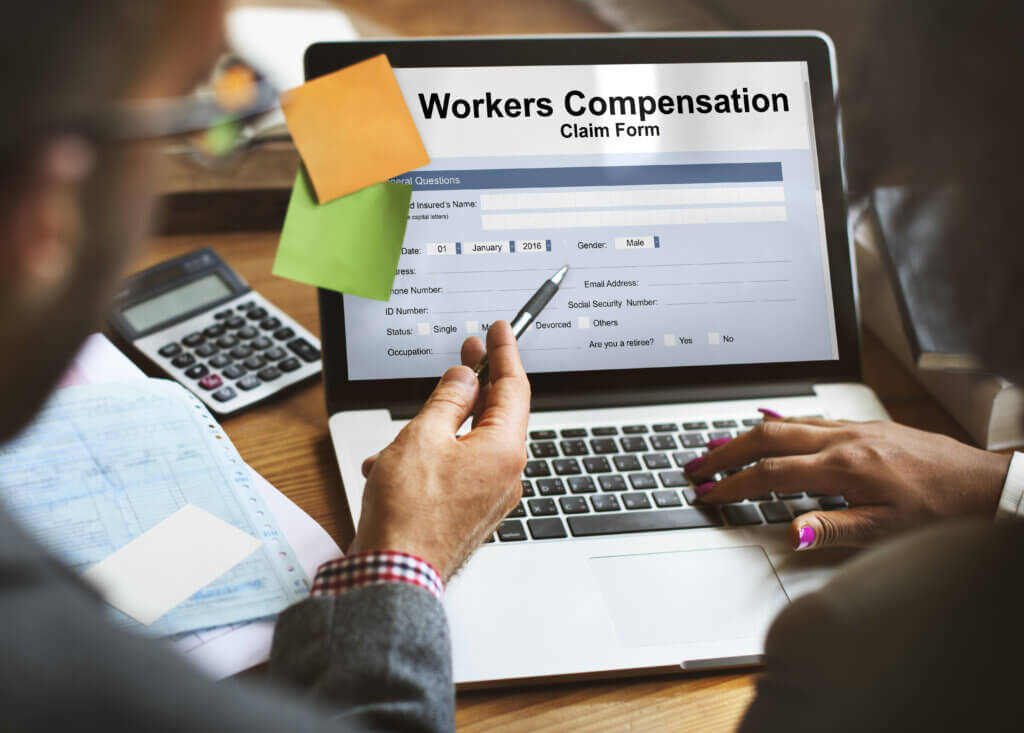
Most warehouse injury cases are covered by workers’ compensation which provides medical treatment, disability benefits or wage replacement. But if a third party outside your employer is responsible—such as a vendor, manufacturer, or contractor, you may also have a separate personal injury claim to pursue additional damages. - Ensuring Proper Medical Care and Wage Benefits
You are entitled to the necessary medical treatments, temporary or permanent disability payments, reimbursement for doctor-visit travel, and possibly vocational retraining if you cannot return to your prior work. - Handling Denied Claims or Employer Retaliation
If your claim is delayed or denied, or if you face retaliation from your employer for reporting an injury, California law offers protection. A lawyer can help you enforce those protections. - Investigating for Third-Party Liability
When equipment fails, when subcontractors are involved, or when defects in machinery or materials cause harm, an attorney can help identify whether a third party is liable. - Representation in Hearings or Appeals
If your case requires going before a California Workers’ Compensation Appeals Board or other hearings an attorney will help prepare evidence, represent your interests, and fight for the full and fair benefits you deserve.
Your Rights as an Injured Worker
If you are injured working in a warehouse in Ontario or elsewhere in California you have rights under state law. You deserve full medical care and compensation for lost wages or disability. Early legal help can ensure evidence is preserved properly your employer does not improperly deny or delay benefits and your legal options are fully explored.
How Hillstone Law Can Help
If you have been hurt in a warehouse, Hillstone Law can evaluate your situation explain your rights guide you through both workers’ compensation and third-party claims gather needed evidence deal with insurers or employers and represent you in any hearings.
Note: These blog posts are created solely for the use of Hillstone Law. The information is gathered from internet research, publicly available sources, and artificial intelligence (AI) tools such as ChatGPT. While we aim to share helpful and educational content, Hillstone Law does not independently verify every detail. Some information may be incomplete, outdated, or subject to change without notice. If you believe any part of a post is inaccurate, misleading, or infringes upon copyright, please contact Hillstone Law immediately so we can review it and take appropriate action, including correction or removal.
Disclaimer: The material provided in these blogs is for general informational purposes only and should not be considered legal advice. Reading these posts does not create, and is not intended to create, an attorney-client relationship with Hillstone Law. Our intent is to share knowledge, raise awareness, and provide helpful resources to the public; however, Hillstone Law makes no warranties or guarantees about the accuracy, completeness, or reliability of the information provided, and expressly disclaims liability for any actions taken in reliance on it. The photos used in these posts are for illustrative purposes only and do not depict actual clients, individuals, or incidents unless expressly stated. If you or a loved one has been injured in an accident, please contact Hillstone Law at (855) 691-1691. Our attorneys are available to answer your legal questions and help you understand your rights.