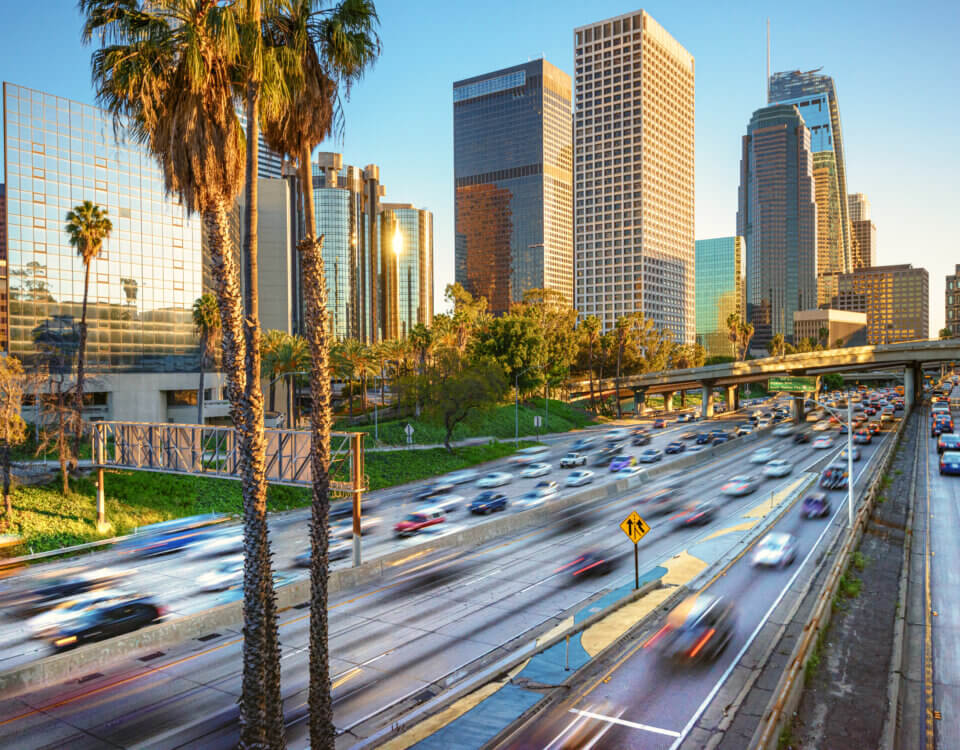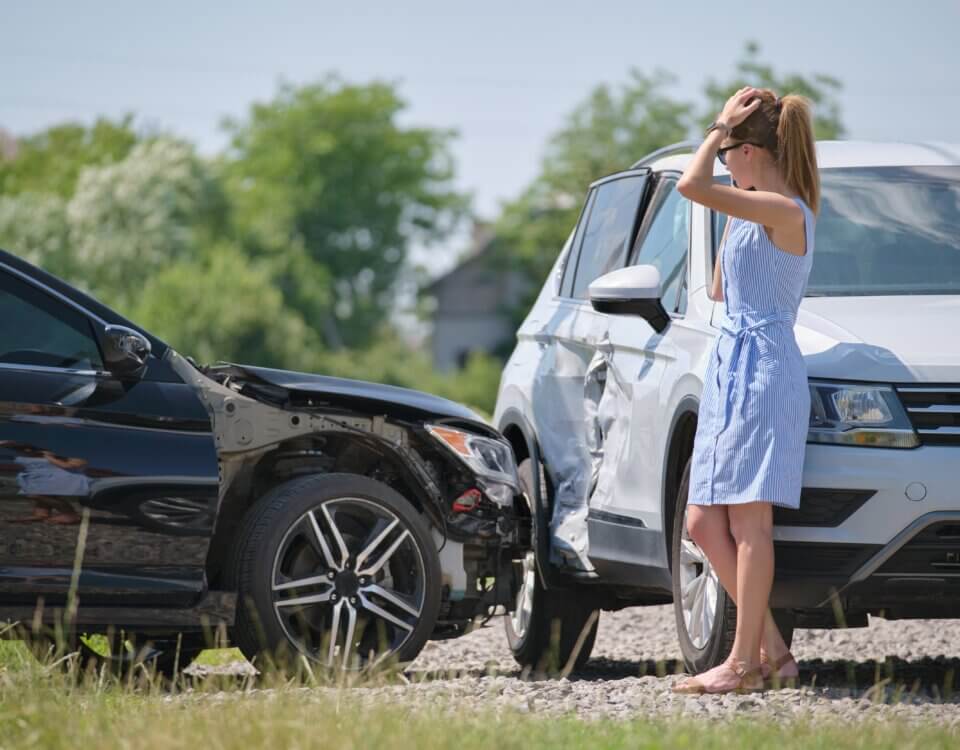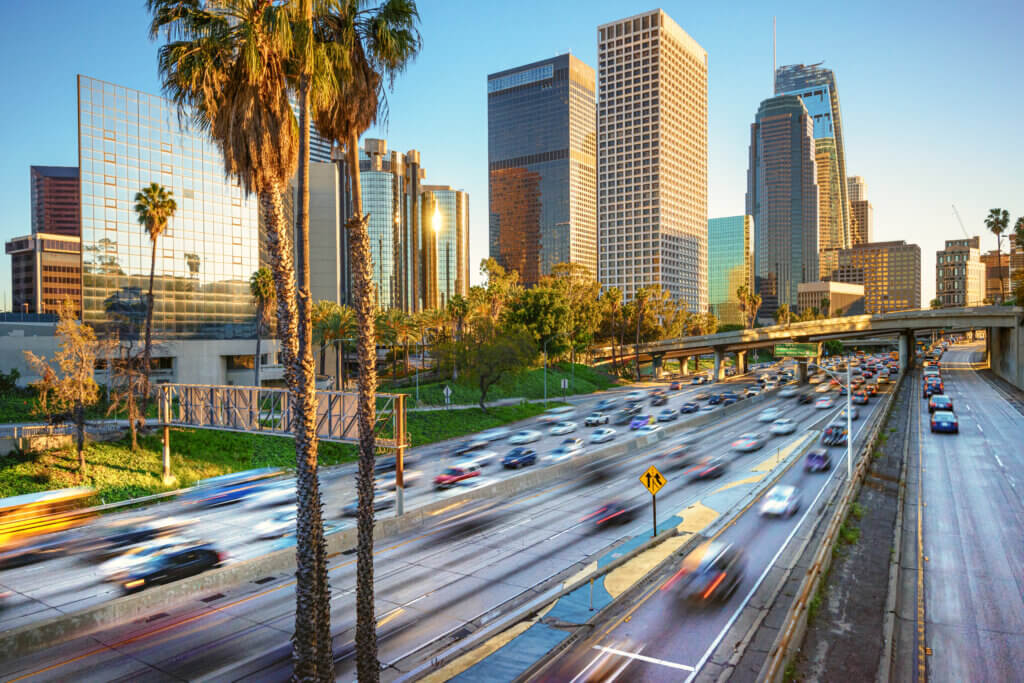

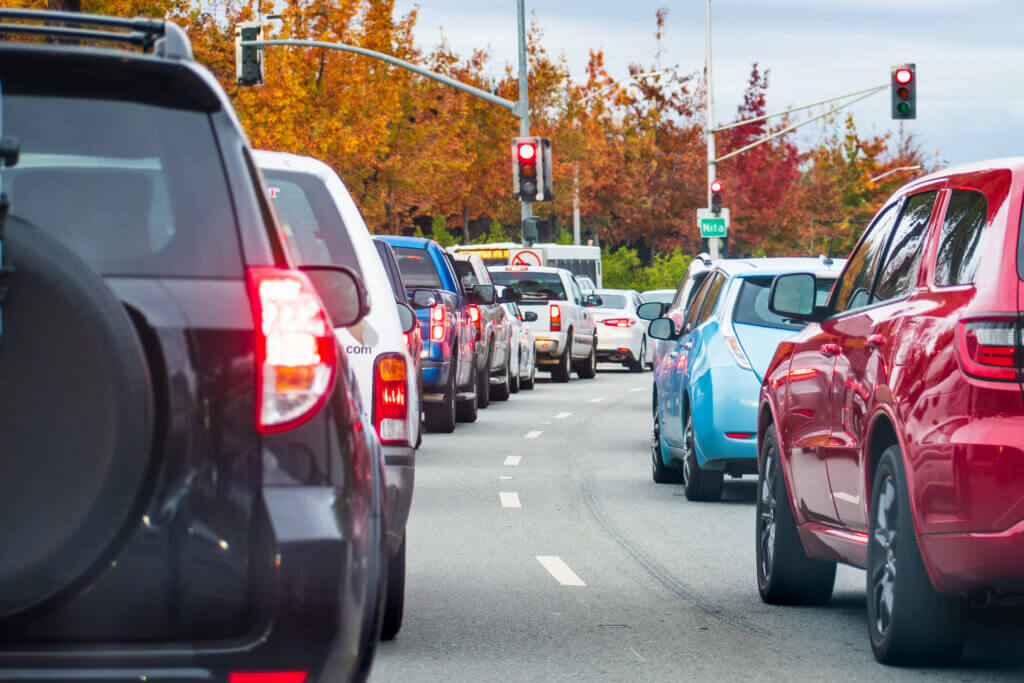
California’s highways and city streets become especially crowded during the holidays. Family gatherings, shopping trips, and vacation travel all contribute to heavier traffic and unfortunately, an increased risk of accidents. Understanding these patterns can help drivers stay safe during the busiest travel times of the year.
Why Holiday Traffic Is Riskier
- Higher Volumes of Vehicles – More cars on the road create congestion and longer travel times.
- Fatigued or Distracted Drivers – Rushed schedules and late-night drives can lead to reduced focus.
- Impaired Driving – Celebrations often involve alcohol, increasing the risk of DUI-related crashes.
- Unfamiliar Routes – Out-of-town visitors may make sudden stops or lane changes while navigating.
Peak Times and Locations
- Thanksgiving and Christmas Weekends – Long-distance travelers crowd major highways like I-5, I-15, and Highway 101.
- Black Friday and Holiday Shopping Days – Parking lots and surface streets near malls become accident hotspots.
- Coastal and Mountain Routes – Scenic destinations such as Big Sur or Lake Tahoe see heavy traffic from vacationers.
Safety Tips for Drivers
- Plan Ahead: Leave early to avoid peak traffic and allow extra time for delays.
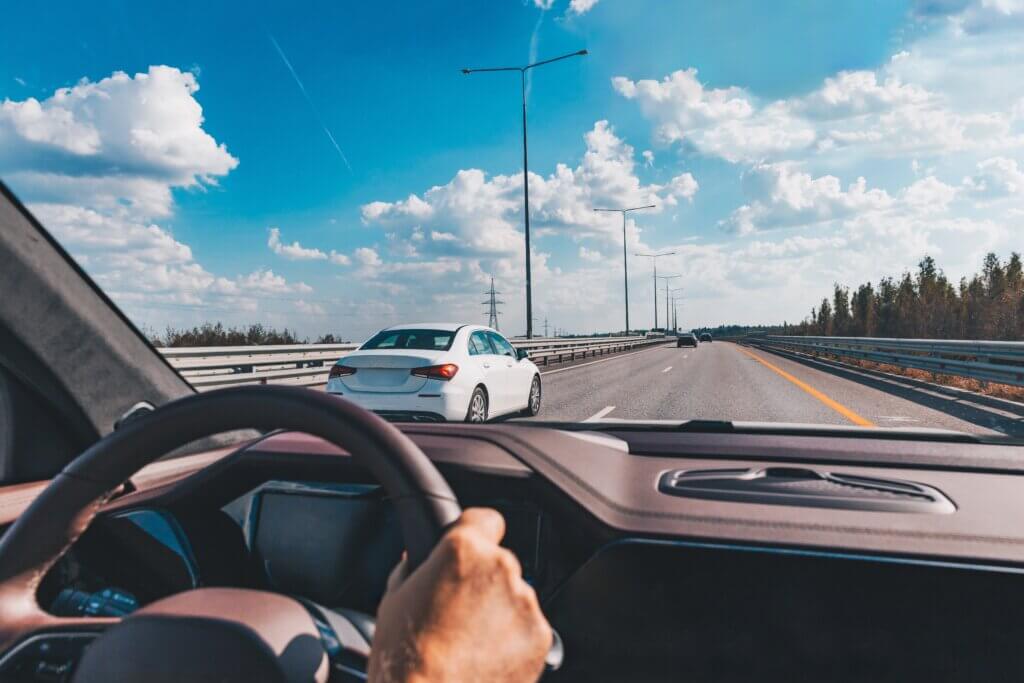
- Stay Alert: Take breaks to combat fatigue and keep distractions—like phones—out of reach.
- Designate a Sober Driver: Never drive after drinking, and encourage friends to do the same.
- Use Real-Time Navigation Apps: These can provide detours to bypass traffic jams or accidents.
Community and Enforcement Efforts
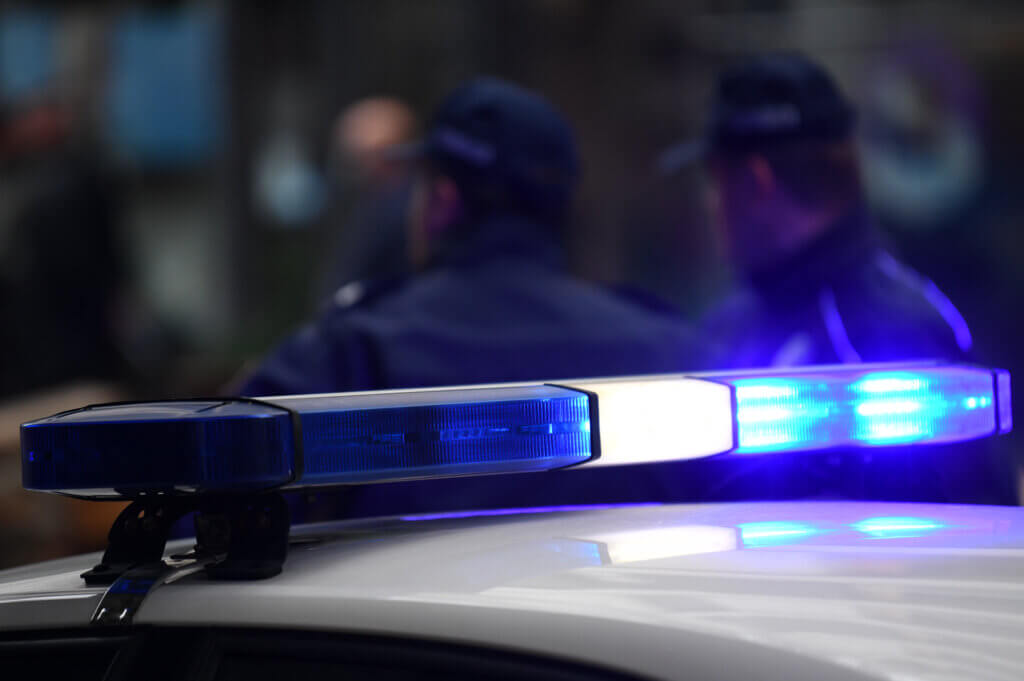
California Highway Patrol (CHP) often increases patrols during holiday periods and runs campaigns like “Maximum Enforcement” to deter speeding and impaired driving. Local police departments may also set up sobriety checkpoints to keep roads safer.
Safer Holidays Through Preparation
By planning ahead, driving cautiously, and looking out for others on the road, Californians can enjoy holiday celebrations without unnecessary risks. Shared responsibility among drivers, law enforcement, and communities helps reduce accidents and save lives during these busy times.
Note: These blog posts are created solely for the use of Hillstone Law. The information is gathered from internet research, publicly available sources, and artificial intelligence (AI) tools such as ChatGPT. While we aim to share helpful and educational content, Hillstone Law does not independently verify every detail. Some information may be incomplete, outdated, or subject to change without notice. If you believe any part of a post is inaccurate, misleading, or infringes upon copyright, please contact Hillstone Law immediately so we can review it and take appropriate action, including correction or removal.
Disclaimer: The material provided in these blogs is for general informational purposes only and should not be considered legal advice. Reading these posts does not create, and is not intended to create, an attorney-client relationship with Hillstone Law. Our intent is to share knowledge, raise awareness, and provide helpful resources to the public; however, Hillstone Law makes no warranties or guarantees about the accuracy, completeness, or reliability of the information provided, and expressly disclaims liability for any actions taken in reliance on it. The photos used in these posts are for illustrative purposes only and do not depict actual clients, individuals, or incidents unless expressly stated. If you or a loved one has been injured in an accident, please contact Hillstone Law at (855) 691-1691. Our attorneys are available to answer your legal questions and help you understand your rights.