Introduction
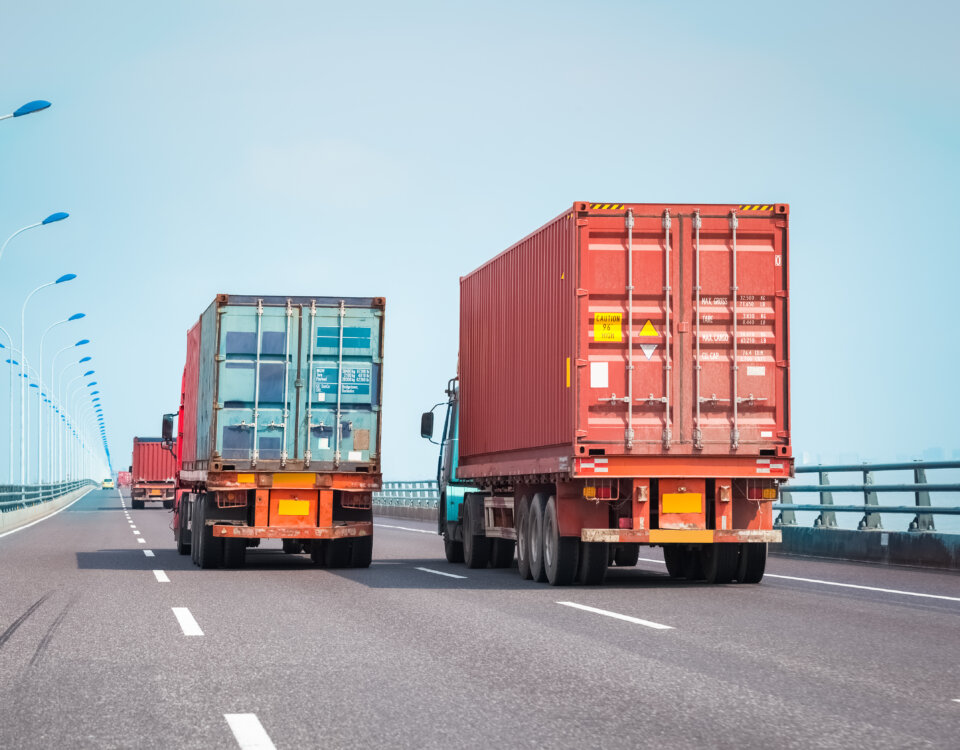
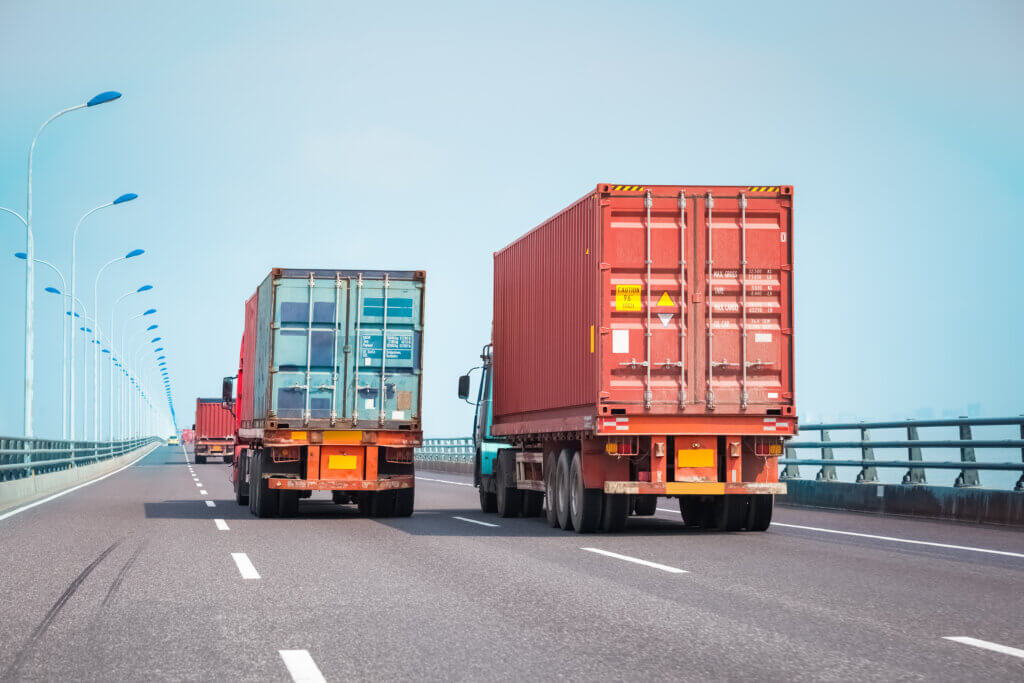
When an 18-wheeler collides with a passenger car, the initial impact is just the beginning. These massive trucks can set off chain reactions that involve dozens of vehicles. In seconds, a normal freeway can transform into a scene of twisted metal, injuries, and chaos.
How Chain-Reaction Crashes Start
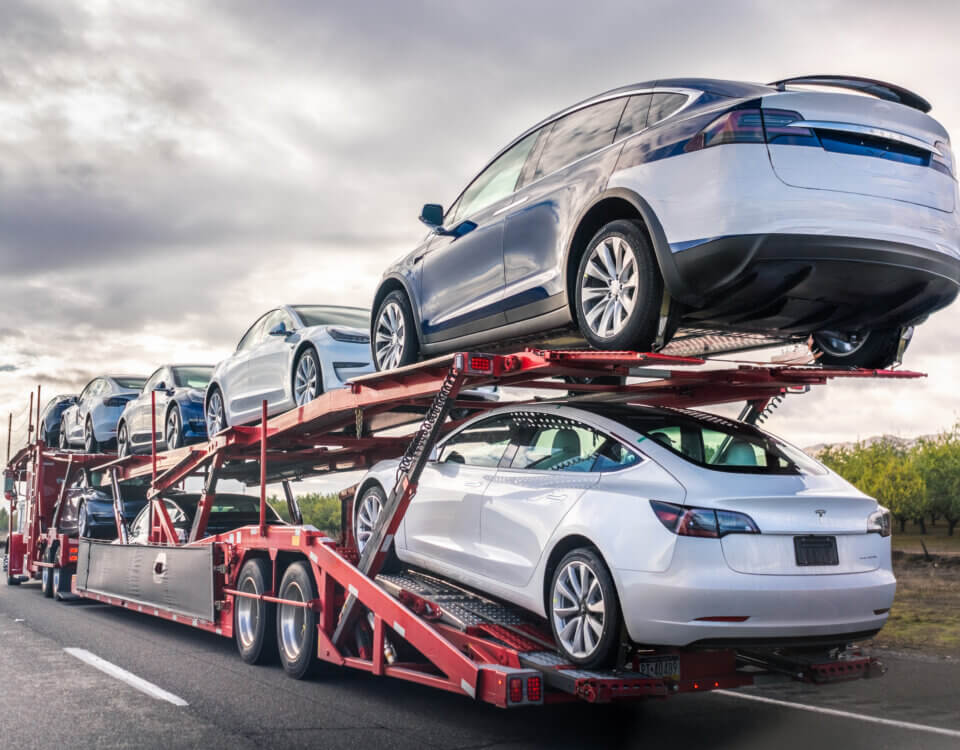
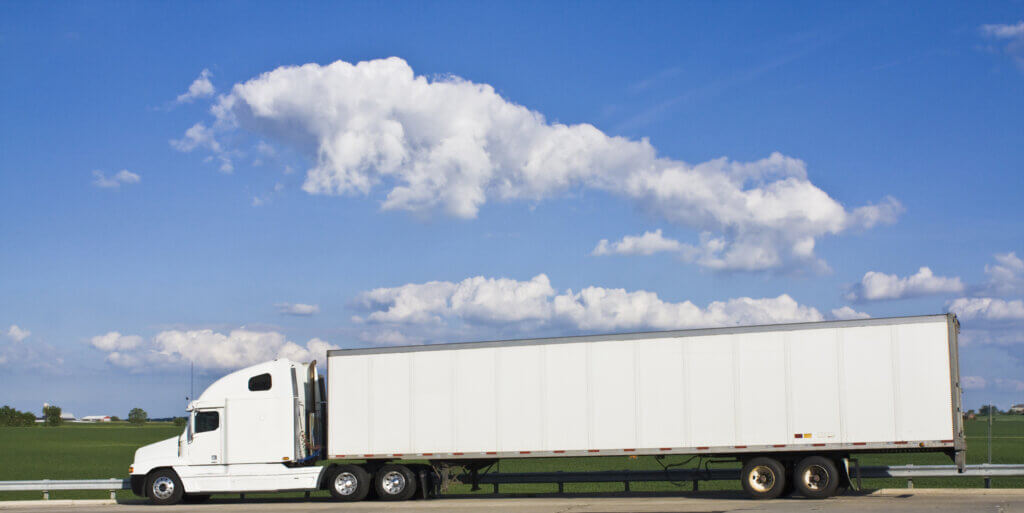
One of the main reasons 18-wheelers cause multi-vehicle pileups is their sheer size and weight. It takes far longer for these trucks to stop compared to smaller vehicles, and when they lose control, the force pushes cars into other lanes. The National Highway Traffic Safety Administration has documented that large trucks are involved in a high percentage of multi-vehicle collisions.
https://www.nhtsa.gov/
The Domino Effect on Highways
A single truck jackknifing across lanes can trap dozens of cars with nowhere to go. Drivers behind the crash often don’t have enough time to react. In bad weather, the danger doubles, as visibility and braking ability drop dramatically. The Federal Motor Carrier Safety Administration highlights that wet roads and speeding are a deadly combination in truck accidents.
https://www.fmcsa.dot.gov/
Why These Accidents Are So Complex Legally
Chain-reaction crashes involving 18-wheelers create complicated liability questions. Was it the driver, the trucking company, or another motorist who caused the domino effect? Multiple insurance companies often get involved, each trying to shift blame. This can delay victims from getting the compensation they desperately need.
The Human Cost Behind the Statistics
For victims, the statistics don’t capture the reality. Many suffer from permanent injuries, long-term disabilities, or the loss of loved ones. Survivors often describe the moments after a pileup as complete chaos, with people trapped in cars, smoke filling the air, and emergency crews struggling to reach everyone.
Conclusion
One 18-wheeler can unleash destruction across an entire highway in a matter of seconds. Chain-reaction accidents are among the most terrifying events on the road, leaving behind lives changed forever. Knowing the risks and how to protect your rights after such an accident is crucial for every driver.
Note: These blog posts are created solely for the use of Hillstone Law. The information is gathered from internet research, publicly available sources, and artificial intelligence (AI) tools such as ChatGPT. While we aim to share helpful and educational content, Hillstone Law does not independently verify every detail. Some information may be incomplete, outdated, or subject to change without notice. If you believe any part of a post is inaccurate, misleading, or infringes upon copyright, please contact Hillstone Law immediately so we can review it and take appropriate action, including correction or removal.
Disclaimer: The material provided in these blogs is for general informational purposes only and should not be considered legal advice. Reading these posts does not create, and is not intended to create, an attorney-client relationship with Hillstone Law. Our intent is to share knowledge, raise awareness, and provide helpful resources to the public; however, Hillstone Law makes no warranties or guarantees about the accuracy, completeness, or reliability of the information provided, and expressly disclaims liability for any actions taken in reliance on it. The photos used in these posts are for illustrative purposes only and do not depict actual clients, individuals, or incidents unless expressly stated. If you or a loved one has been injured in an accident, please contact Hillstone Law at (855) 691-1691. Our attorneys are available to answer your legal questions and help you understand your rights.