Speed cameras automated devices that capture speeding vehicles have sparked debate across California. While some drivers see them as intrusive, traffic safety experts argue they play a crucial role in reducing crashes and saving lives.
How Speed Cameras Work
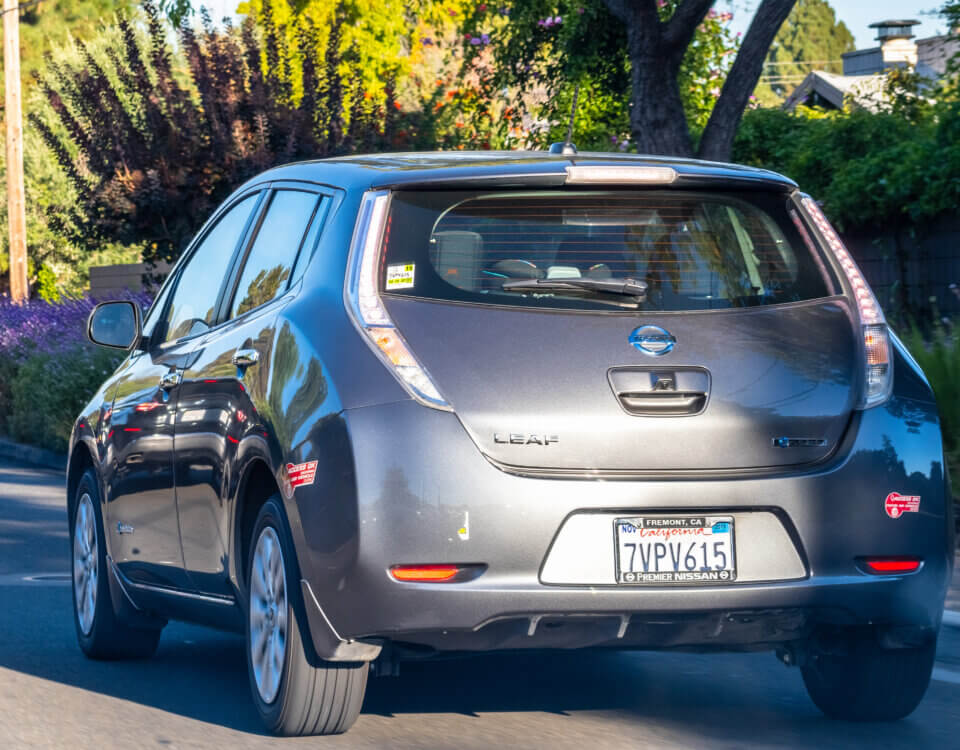
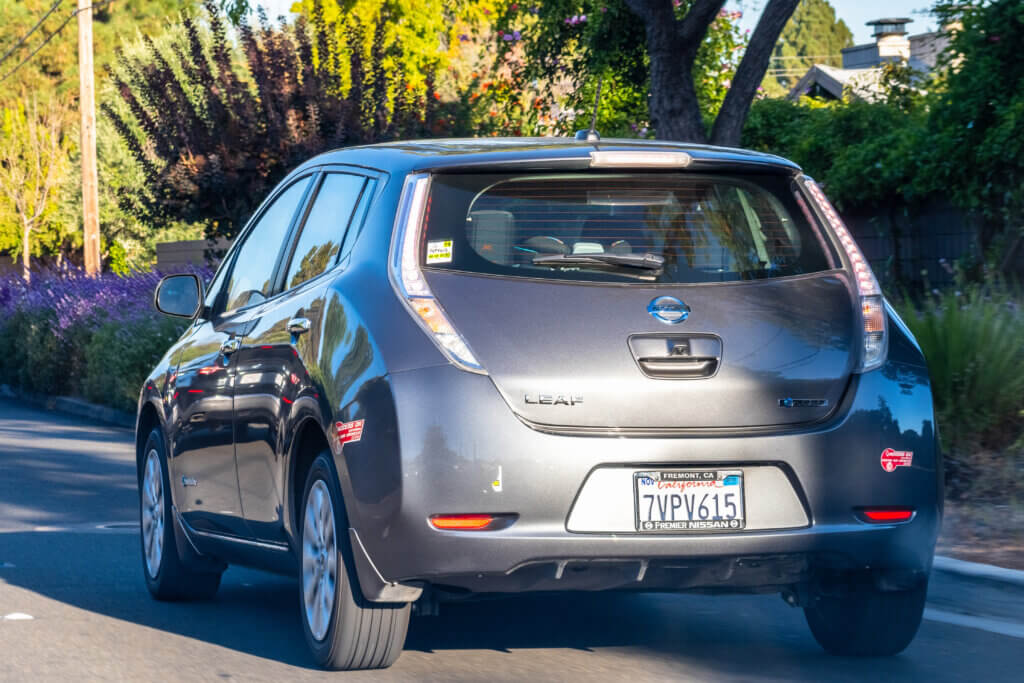
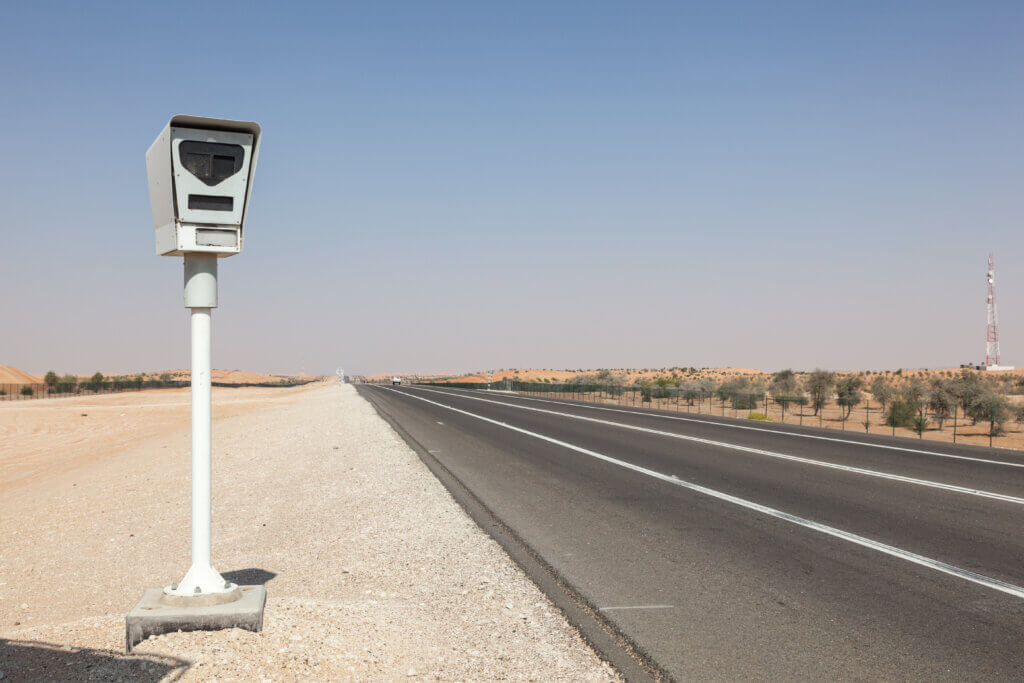
Speed cameras use radar or sensors to detect vehicles exceeding the speed limit. They capture a photo of the license plate, and the registered owner receives a citation by mail. Cameras are often installed near schools, busy intersections, or high-accident corridors.
Evidence of Effectiveness
- Reduced Fatalities: Studies from other states and countries show a decline in serious crashes where cameras are installed.
- Improved Driver Behavior: Awareness of cameras encourages drivers to slow down even when no police officers are present.
- Cost Efficiency: Automated enforcement frees up law enforcement resources for other critical tasks.
Criticisms and Concerns
- Privacy Issues: Some residents worry about constant surveillance.
- Potential for Errors: Miscalibrated equipment or unclear signage can result in unfair tickets.
- Revenue vs. Safety: Critics argue some municipalities may prioritize revenue over genuine safety improvements.
California’s Current Approach
While speed cameras aren’t widespread statewide, several cities—including San Francisco, Los Angeles, and San Jose are piloting programs in high-risk areas. Lawmakers continue to debate expanding their use based on local results.
Staying Informed and Involved
Drivers should stay updated on local speed camera locations and posted limits. Community members can attend city council or transportation meetings to voice opinions—whether in support of or against these measures.
Safer Roads Through Smart Enforcement
When implemented transparently and fairly, speed cameras can be a valuable tool for reducing dangerous driving behavior. Combined with public education and infrastructure improvements, they can make California’s roads safer for everyone.
Note: These blog posts are created solely for the use of Hillstone Law. The information is gathered from internet research, publicly available sources, and artificial intelligence (AI) tools such as ChatGPT. While we aim to share helpful and educational content, Hillstone Law does not independently verify every detail. Some information may be incomplete, outdated, or subject to change without notice. If you believe any part of a post is inaccurate, misleading, or infringes upon copyright, please contact Hillstone Law immediately so we can review it and take appropriate action, including correction or removal.
Disclaimer: The material provided in these blogs is for general informational purposes only and should not be considered legal advice. Reading these posts does not create, and is not intended to create, an attorney-client relationship with Hillstone Law. Our intent is to share knowledge, raise awareness, and provide helpful resources to the public; however, Hillstone Law makes no warranties or guarantees about the accuracy, completeness, or reliability of the information provided, and expressly disclaims liability for any actions taken in reliance on it. The photos used in these posts are for illustrative purposes only and do not depict actual clients, individuals, or incidents unless expressly stated. If you or a loved one has been injured in an accident, please contact Hillstone Law at (855) 691-1691. Our attorneys are available to answer your legal questions and help you understand your rights.