San Diego’s walkable neighborhoods and vibrant downtown make it one of California’s most pedestrian-friendly cities. Yet recent traffic safety data reveals a troubling rise in pedestrian accidents. Understanding why these incidents are increasing and how to protect yourself can help make our streets safer for everyone.
What the Numbers Show
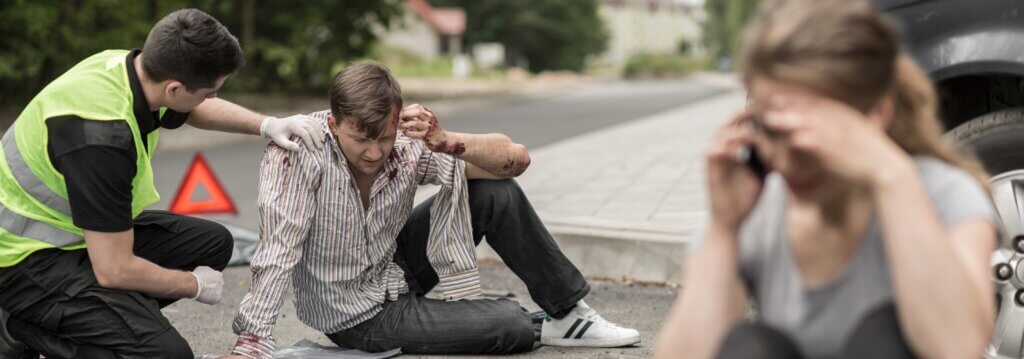
City transportation reports indicate pedestrian accidents have been trending upward over the past few years. High-traffic corridors like Downtown, North Park, and Pacific Beach consistently see the most incidents. Factors contributing to the rise include:
- Increased tourism and nightlife activity, creating more foot traffic.
- Distracted driving and walking, especially involving smartphones.
- Speeding and aggressive driving on major thoroughfares.
- Insufficient lighting or outdated crosswalk designs in some areas.
Why Certain Areas Are Hotspots
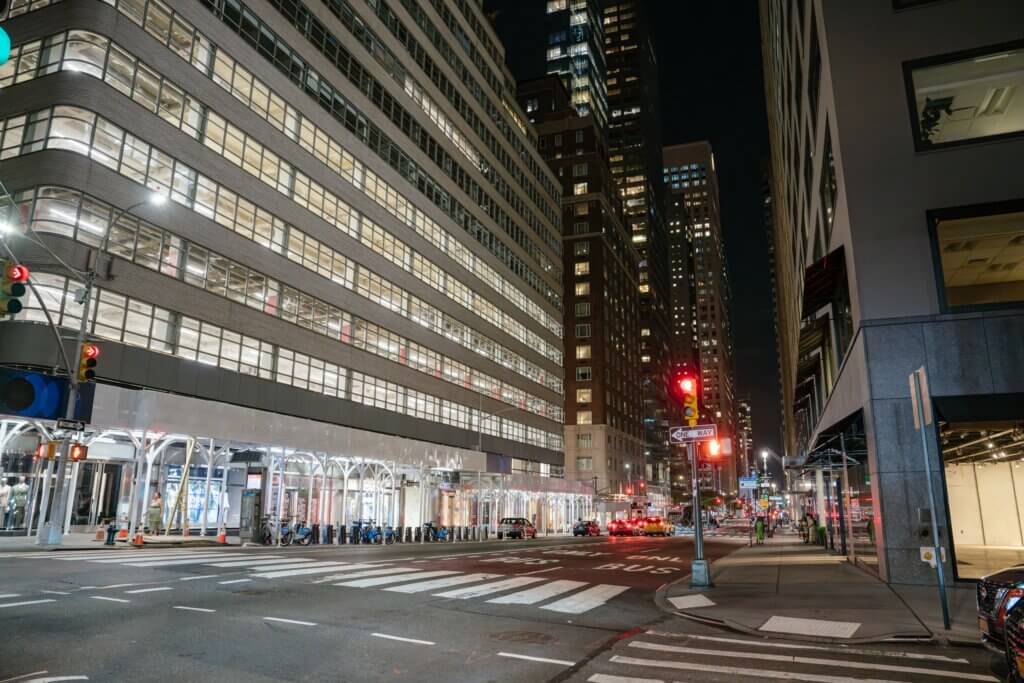
Downtown intersections near Gaslamp Quarter, Balboa Park, and Harbor Drive experience heavy pedestrian movement at all hours. Neighborhoods like Hillcrest and North Park, known for dining and entertainment, often mix vehicles with large groups of people crossing streets particularly on weekends.
How Residents and Visitors Can Stay Safe
- Use marked crosswalks and obey pedestrian signals, even if traffic looks clear.
- Stay visible at night by wearing light or reflective clothing.
- Avoid distractions, put phones away until you’re safely across.
- Advocate for better infrastructure such as improved lighting and longer crosswalk signals through city meetings or local community groups.
A Community-Wide Effort
Reducing pedestrian accidents requires action from everyone: drivers slowing down, pedestrians staying alert, and city officials prioritizing safer street designs. By working together, San Diego can reverse this trend and maintain its reputation as a walkable, welcoming city.
Note: These blog posts are created solely for the use of Hillstone Law. The information is gathered from internet research, publicly available sources, and artificial intelligence (AI) tools such as ChatGPT. While we aim to share helpful and educational content, Hillstone Law does not independently verify every detail. Some information may be incomplete, outdated, or subject to change without notice. If you believe any part of a post is inaccurate, misleading, or infringes upon copyright, please contact Hillstone Law immediately so we can review it and take appropriate action, including correction or removal.
Disclaimer: The material provided in these blogs is for general informational purposes only and should not be considered legal advice. Reading these posts does not create, and is not intended to create, an attorney-client relationship with Hillstone Law. Our intent is to share knowledge, raise awareness, and provide helpful resources to the public; however, Hillstone Law makes no warranties or guarantees about the accuracy, completeness, or reliability of the information provided, and expressly disclaims liability for any actions taken in reliance on it. The photos used in these posts are for illustrative purposes only and do not depict actual clients, individuals, or incidents unless expressly stated. If you or a loved one has been injured in an accident, please contact Hillstone Law at (855) 691-1691. Our attorneys are available to answer your legal questions and help you understand your rights.