

How people are hurt at apartment buildings
The common areas of an apartment complex are the landlord's responsibility, and most injuries happen there:
- Stairs and steps: broken or uneven treads, missing handrails, worn carpet, poor lighting.
- Balconies and railings that are loose, rotten or too low.
- Walkways and parking areas: cracked concrete, potholes, standing water, no lighting at night.
- Pools and spas: broken gates or latches, missing fencing, slippery decks, faulty drain covers.
- Laundry rooms, garages and elevators with broken equipment or doors.
- Gates and doors that slam, or that do not lock, letting intruders in.
- Water leaks that leave floors wet or ceilings weak.
Tenants are often hurt inside their own unit too, when a hazard the landlord was told about and promised to fix, such as a broken step, a loose cabinet or a failing ceiling, finally gives way.
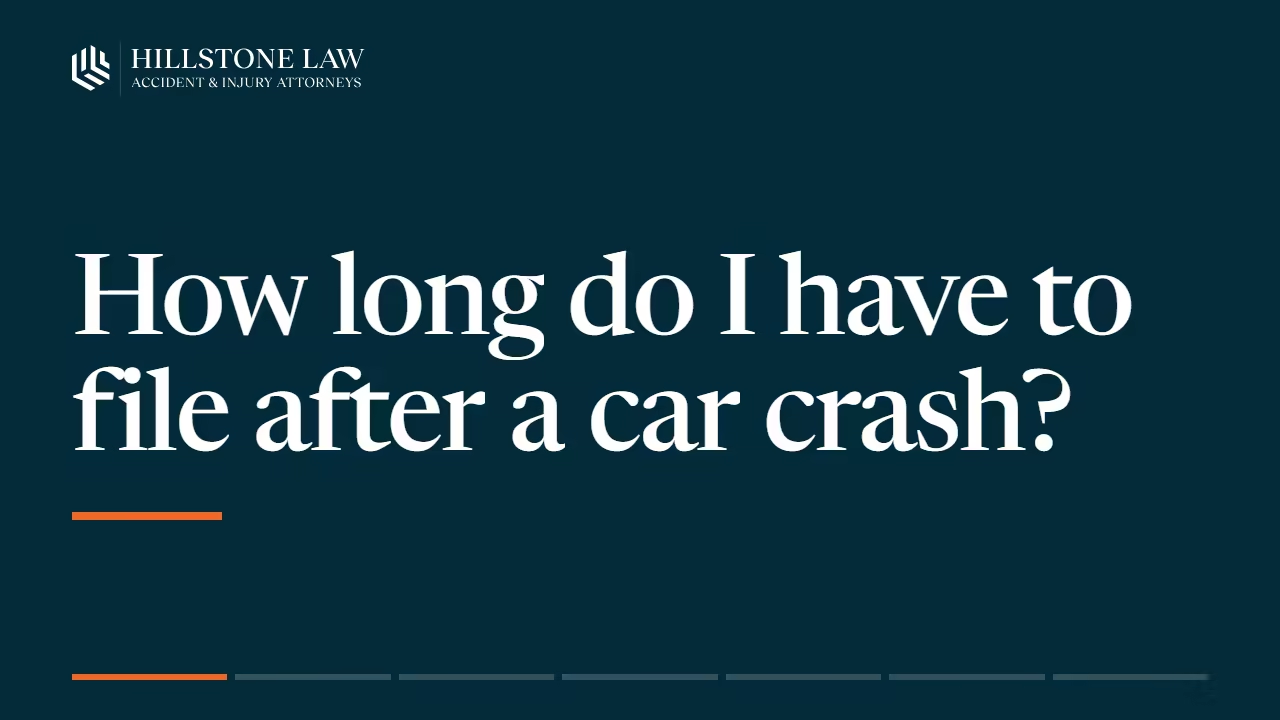
How long do I have to sue after a car crash in California?
Read the transcript
How long do I have to sue after a car crash in California?
How long do I have to file after a car crash?
2 years from the injury to file a lawsuit. That is the general deadline in California. Code of Civil Procedure 335.1
6 months if a public entity was involved. A city bus, a county truck, a dangerous public road: a written claim comes first. Government Code 911.2
The clocks that start at the crash: 10 days, dMV report, form SR-1; 6 months, claim against a public entity; 2 years, injury lawsuit; 3 years, vehicle damage only.
Negotiation does not stop the clock. If the claim is still open as the date approaches, the lawsuit must be filed to protect it.
Exceptions can shorten or extend these limits. A child was hurt; The at-fault driver died; A federal vehicle; Your own uninsured motorist claim.
Free consultation. Call and tell us what happened. (855) 691-1691 Hablamos español.
General information about California law, not legal advice for your situation.
Who can be responsible
- The owner of the building.
- The property management company that runs it day to day.
- A maintenance or repair contractor whose work was faulty.
- A pool, elevator or gate service company.
- Another tenant whose own carelessness caused the injury, such as a dog that bit, or a hazard left in a shared space.
- A public housing authority, for public housing. A written claim must be presented to a public agency within 6 months (Government Code 911.2), and the claim must show a dangerous condition of public property (Government Code 835).
When several share fault, each pays only its own share of non-economic damages such as pain and suffering (Civil Code 1431.2).
What usually decides the claim: did the landlord know?
A landlord is generally responsible for a hazard it knew about, or would have found with reasonable inspections, and had time to fix. That is why repair requests matter so much in apartment cases:
- Written repair requests by text, email, tenant portal or letter, with dates.
- Complaints from other tenants about the same stair, gate or light.
- Inspection records, or the lack of them.
- Photos that show how long the problem lasted.
- Building code violations found by city inspectors.
If you asked for a repair before you were hurt, keep every copy. That record is often the strongest evidence in the case.
Guests, visitors and workers
The duty to keep common areas safe is not only owed to tenants. A friend visiting a tenant, a delivery driver, a caregiver or a repair worker hurt on a broken stair or a dark walkway can claim against the owner and the management company in the same way. A worker hurt on the job usually also has a workers' compensation claim against their own employer, and the claim against the property owner is separate. Visitors often do not know who owns the building; the management company's name on the lease or the signs, and the county's property records, answer that.
Pools and spas
Apartment pools cause some of the most serious injuries, especially to children. Gates that do not close and latch on their own, fencing with gaps, missing depth markings, slippery decks, broken lighting and faulty drain covers all point to a landlord that did not keep the pool area safe. If a child was hurt or nearly drowned, photograph the gate and fence before anything is repaired, and ask the manager in writing to keep any camera footage.
Security and crime
When a tenant or guest is assaulted at a building, the landlord may share responsibility if the crime was foreseeable and reasonable security, such as working locks, gates and lighting, would have prevented it. Earlier crimes at the property, complaints about broken locks or lights, and promises of security in the lease or the marketing all matter.
Fault and the tenant
Insurers often say the tenant knew about the hazard and should have avoided it. In California, your own share of fault only reduces the recovery; it does not bar it (Li v. Yellow Cab Co. (1975) 13 Cal.3d 804). Knowing a stair was broken does not mean you agreed to be hurt on it, especially when it was the only way out.
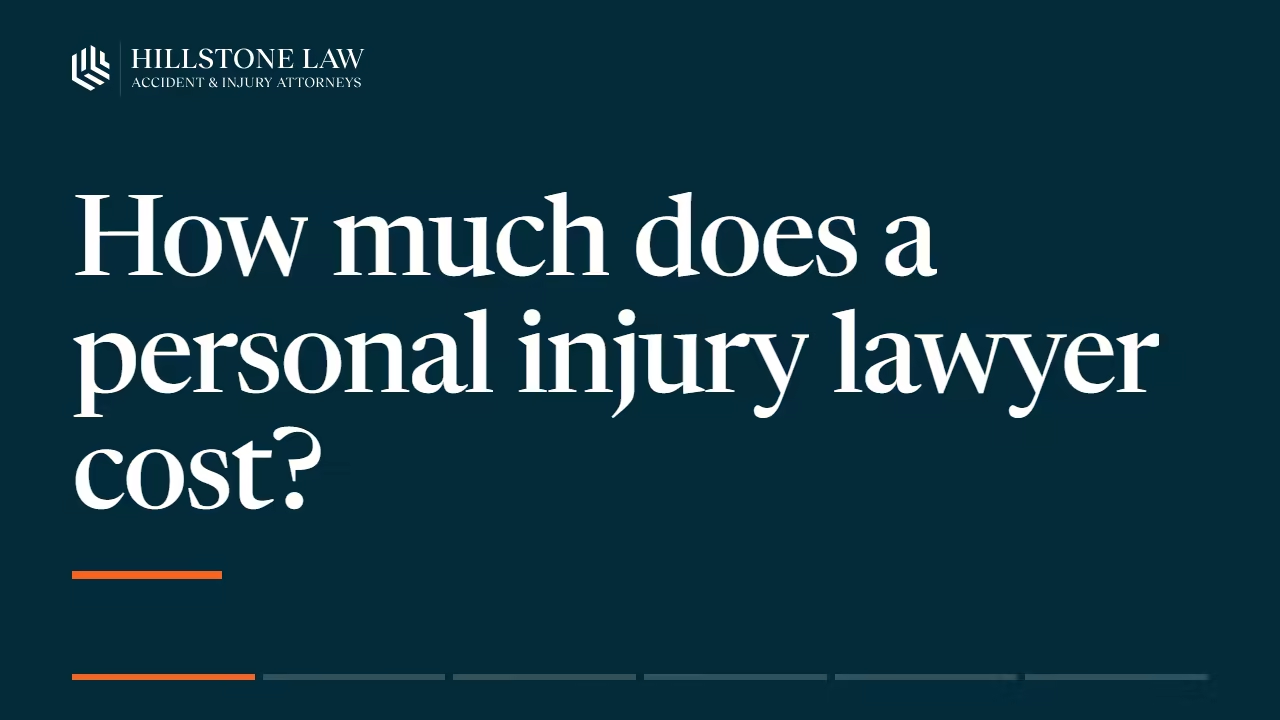
How much does a personal injury lawyer cost in California?
Read the transcript
How much does a personal injury lawyer cost in California?
How much does a personal injury lawyer cost?
No fees unless you get paid. Our fee comes only from what we recover for you.
What you pay along the way: Nothing to hire us; Nothing while the case is open; Nothing by the hour.
A percentage of the recovery, in writing. You sign the agreement before we start. California law does not set the percentage. It is negotiable. Business and Professions Code 6147
Before you sign a settlement, we go through it line by line. The gross amount; Our fee; Each lien; What you receive.
Free consultation. Call and tell us what happened. (855) 691-1691 Hablamos español.
General information about California law, not legal advice for your situation.
Will a claim affect my lease?
A claim is paid by the landlord's liability insurance, not out of your rent. California law protects tenants from some kinds of retaliation, and the attorney who handles your claim can explain what applies. Keep paying rent and keep copies of everything you send the landlord.
Common apartment injuries
- Broken hips, wrists, ankles and arms from falls
- Back, neck and knee injuries
- Head injuries from falls on stairs
- Near-drownings at pools
- Cuts and burns from broken fixtures or equipment
Because many of these injuries change how a person lives and works, the claim must account for future care and lost earnings (Civil Code 3333), not only the bills already paid.
What to do now
- Get medical care, and follow the treatment plan.
- Photograph the hazard, the lighting and the area, before it is repaired.
- Report the injury to the manager in writing, and keep a copy.
- Save every earlier repair request and complaint.
- Get names and numbers of neighbours who saw it or knew about the hazard.
- Note your deadline: generally 2 years to file a lawsuit (Code of Civil Procedure 335.1), and 6 months for public housing.
Why people call Hillstone Law after an apartment injury
No fees unless you get paid. We answer 24 hours a day, 7 days a week. At your request, we can meet you at home or in the hospital. Our intake team speaks Spanish. We work from 16 offices across California. We find the owner, the management company and their insurers, and we gather the repair requests and inspection records before they are lost.
Results
$720,000 settlement
Unsafe property injury.
More on the case results page.











