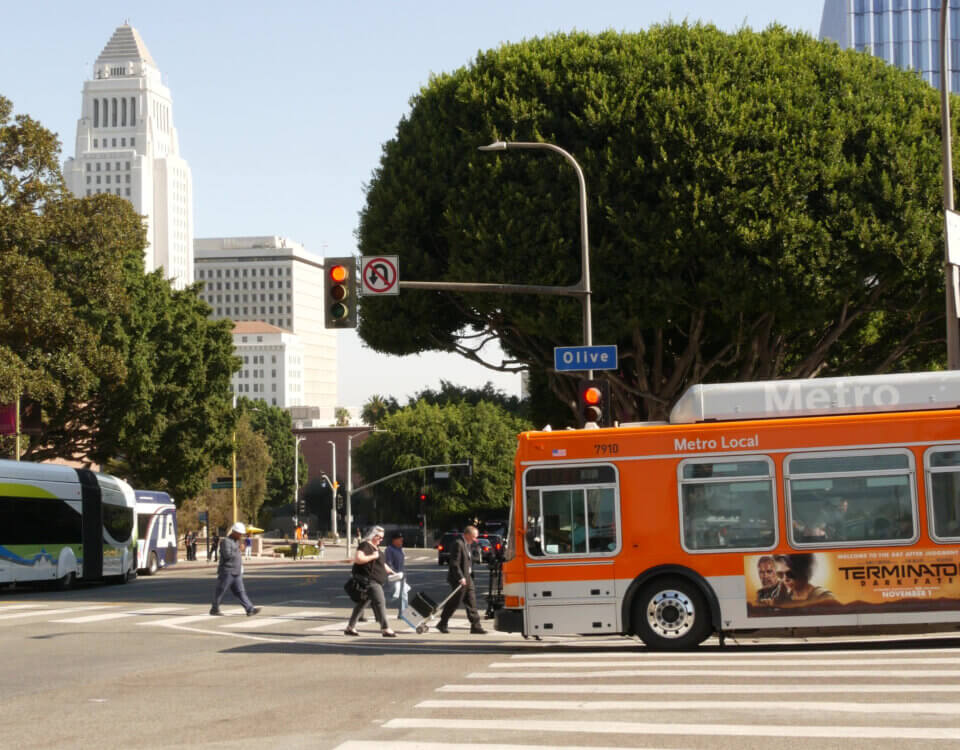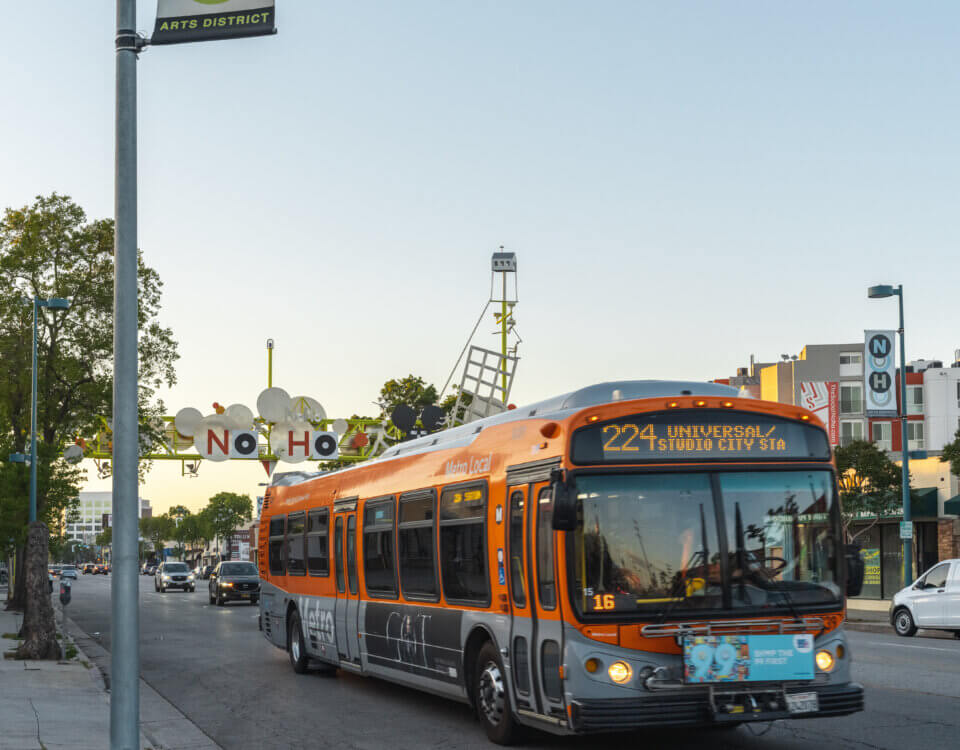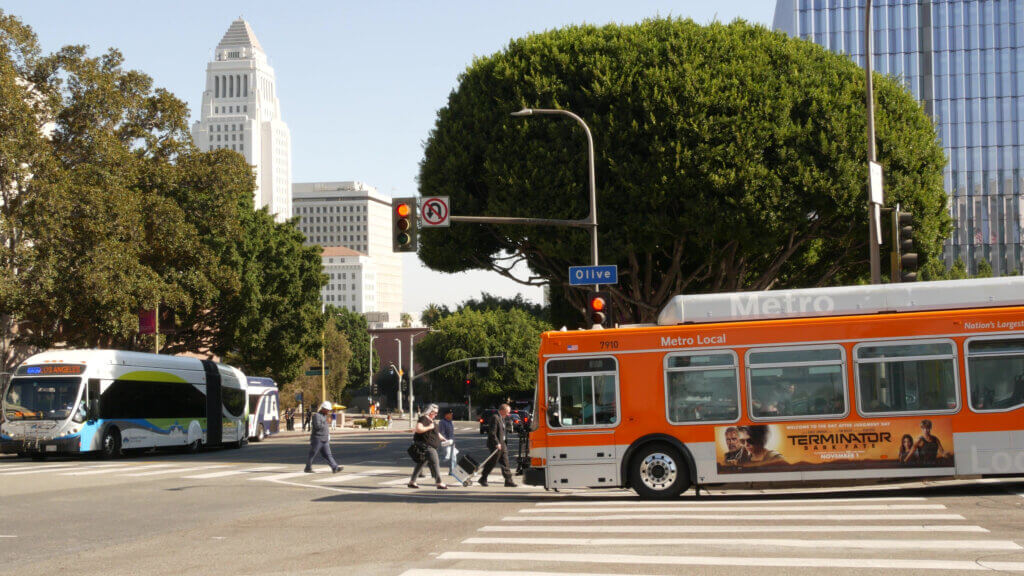
California’s growing cities often adjust bus routes to improve efficiency, reduce congestion, or serve new neighborhoods. While these changes benefit transit riders, they can also create new challenges for pedestrian safety. Understanding the potential risks and how to address them can help communities adapt safely.
Why Route Changes Affect Pedestrians
- New Stop Locations: Moving a bus stop may shift pedestrian traffic to areas without crosswalks or adequate lighting.
- Increased Foot Traffic: A new route serving a school, shopping center, or park can create unexpected pedestrian activity.
- Driver Confusion: Motorists may be unprepared for buses stopping in unfamiliar places, leading to sudden braking or swerving.
Examples of Recent Impacts
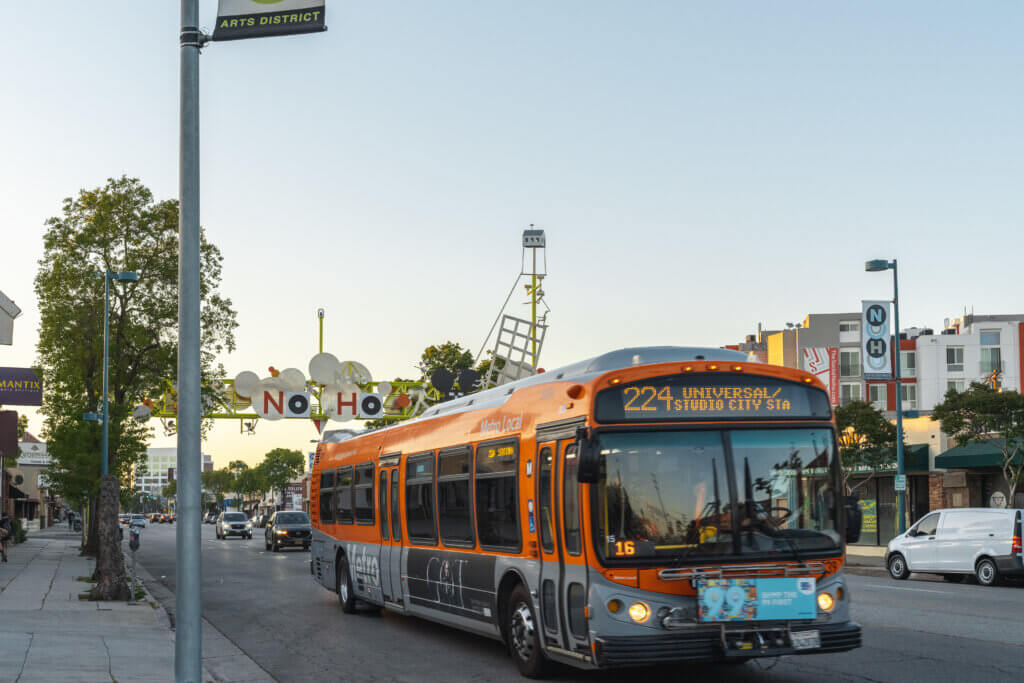
- Los Angeles County: Rerouted Metro lines have increased pedestrian crossings near previously quiet residential streets.
- Bay Area Cities: New AC Transit stops in developing neighborhoods led to calls for more crosswalks and signage.
- San Diego: Changes to MTS routes near shopping districts created busy mid-block crossings without signals.
How Communities Can Respond
- Request Infrastructure Updates: Ask city planners for crosswalks, flashing beacons, or pedestrian islands near new stops.
- Educate Residents: Share route change information through neighborhood groups or social media.
- Monitor Safety: Report near-misses or dangerous conditions to local transit authorities.
Tips for Pedestrians and Drivers
- Pedestrians: Use designated crossings, avoid jaywalking, and remain visible at night.
- Drivers: Slow down near bus stops, anticipate unexpected stops, and watch for pedestrians crossing mid-block.
Building Safer Transit Networks
Transit agencies and residents share responsibility for ensuring bus route changes don’t compromise safety. By planning ahead, advocating for infrastructure, and promoting awareness, communities can balance efficient transit with safe streets for all.
Note: These blog posts are created solely for the use of Hillstone Law. The information is gathered from internet research, publicly available sources, and artificial intelligence (AI) tools such as ChatGPT. While we aim to share helpful and educational content, Hillstone Law does not independently verify every detail. Some information may be incomplete, outdated, or subject to change without notice. If you believe any part of a post is inaccurate, misleading, or infringes upon copyright, please contact Hillstone Law immediately so we can review it and take appropriate action, including correction or removal.
Disclaimer: The material provided in these blogs is for general informational purposes only and should not be considered legal advice. Reading these posts does not create, and is not intended to create, an attorney-client relationship with Hillstone Law. Our intent is to share knowledge, raise awareness, and provide helpful resources to the public; however, Hillstone Law makes no warranties or guarantees about the accuracy, completeness, or reliability of the information provided, and expressly disclaims liability for any actions taken in reliance on it. The photos used in these posts are for illustrative purposes only and do not depict actual clients, individuals, or incidents unless expressly stated. If you or a loved one has been injured in an accident, please contact Hillstone Law at (855) 691-1691. Our attorneys are available to answer your legal questions and help you understand your rights.