Distracted Driving Defined
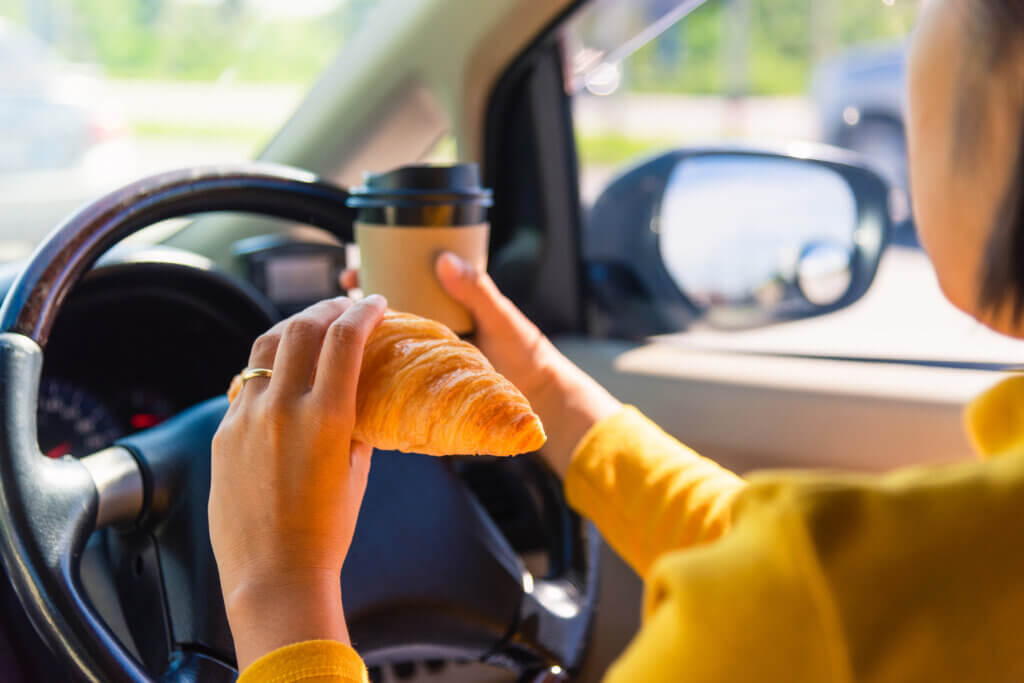
California law does not specifically outlaw eating while driving but it does forbid actions that distract drivers from keeping control of their vehicle. If eating causes you to lose focus or behave unsafely behind the wheel it could be treated like other forms of distracted driving such as using a cellphone or talking to passengers.
When Eating Becomes Reckless
If eating while driving turns into behavior that shows willful disregard for safety or extreme carelessness you might be charged under California codes related to reckless driving. The law considers things like how intentional the driver was, whether the risk was obvious, and if safety was ignored. Penalties for reckless driving may include fines and possible short jail time.
Negligence and Legal Fault
If someone eats while driving and that causes an accident they may be found negligent. Negligence means failing to exercise reasonable care expected of a driver under similar circumstances. The driver could be held financially responsible for damages if their distracted behavior led to harm.
Shared Responsibility
California allows for shared fault when more than one party contributes to a crash. Even if you were not eating you might still share responsibility if you had chances to avoid the accident but failed to act reasonably.
What To Do After an Accident Involving Distracted Driving
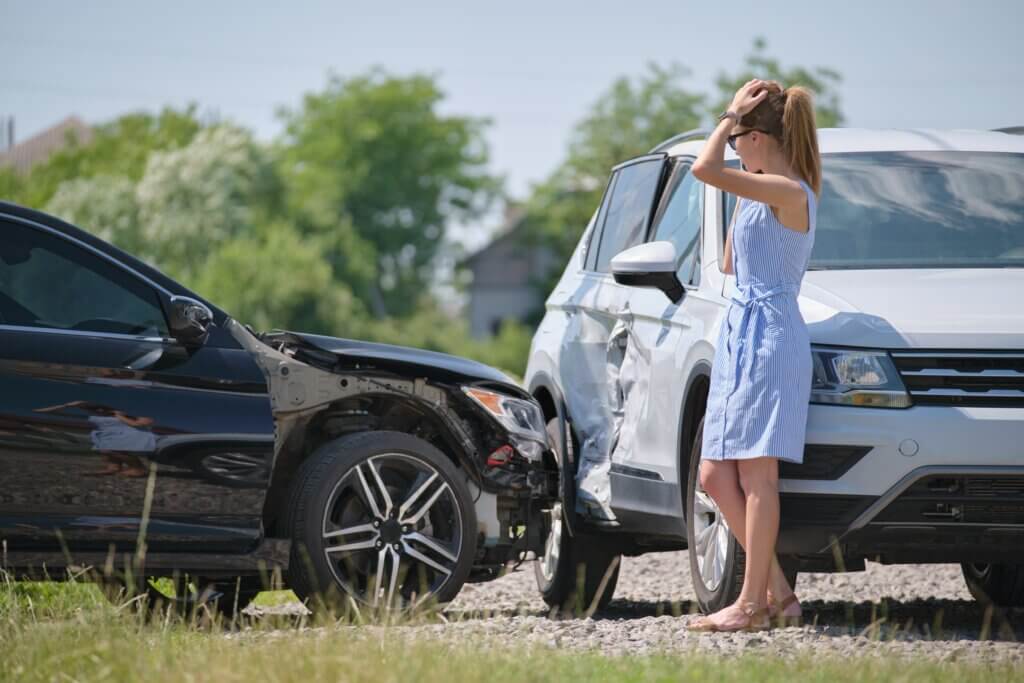
If you are involved in a crash where eating may have played a role collect evidence as soon as possible. Take photos of the scene gather witness statements record any relevant details about what happened before the collision get medical attention if needed and notify law enforcement
Speak with an attorney to review your case To understand how laws about distracted driving negligence and reckless behavior might apply to you
How Hillstone Law Can Help
If you have been injured or fined because of an accident involving eating or other distractions while driving the team at Hillstone Law can help explain if you have legal options or defences and assist you with steps to protect your rights
Note: These blog posts are created solely for the use of Hillstone Law. The information is gathered from internet research, publicly available sources, and artificial intelligence (AI) tools such as ChatGPT. While we aim to share helpful and educational content, Hillstone Law does not independently verify every detail. Some information may be incomplete, outdated, or subject to change without notice. If you believe any part of a post is inaccurate, misleading, or infringes upon copyright, please contact Hillstone Law immediately so we can review it and take appropriate action, including correction or removal.
Disclaimer: The material provided in these blogs is for general informational purposes only and should not be considered legal advice. Reading these posts does not create, and is not intended to create, an attorney-client relationship with Hillstone Law. Our intent is to share knowledge, raise awareness, and provide helpful resources to the public; however, Hillstone Law makes no warranties or guarantees about the accuracy, completeness, or reliability of the information provided, and expressly disclaims liability for any actions taken in reliance on it. The photos used in these posts are for illustrative purposes only and do not depict actual clients, individuals, or incidents unless expressly stated. If you or a loved one has been injured in an accident, please contact Hillstone Law at (855) 691-1691. Our attorneys are available to answer your legal questions and help you understand your rights.