
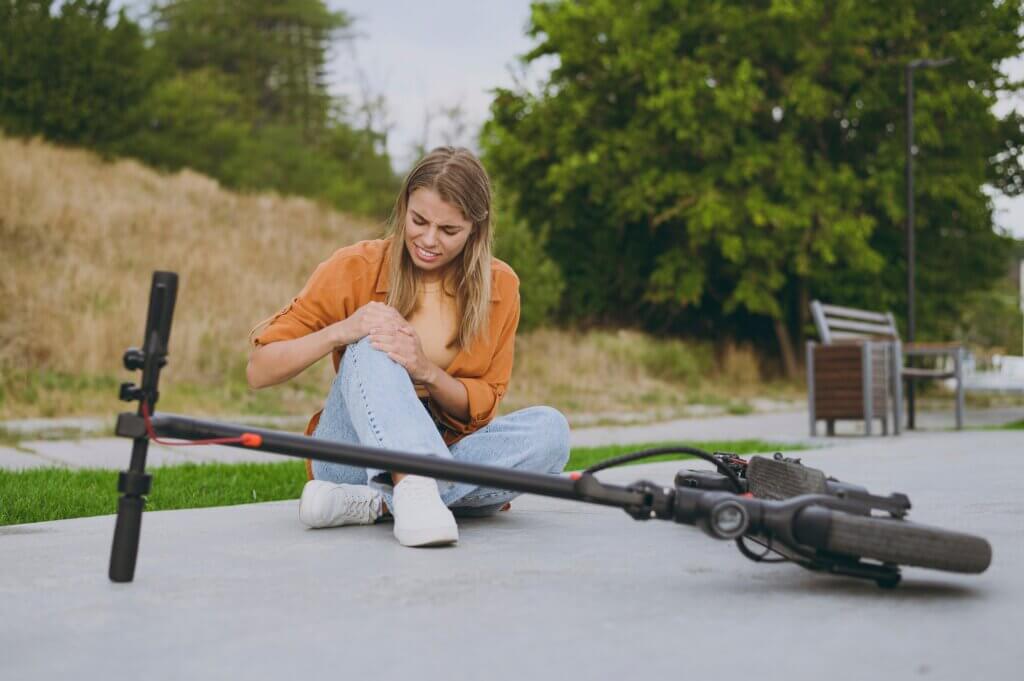
When a scooter accident occurs, identifying who is at fault plays a critical role in insurance claims and possible legal action. Fault is assessed through examination of the circumstances, evaluation of evidence, and application of traffic rules.
Assessing the Scene
One of the first steps is to analyze the accident site. This involves identifying exactly where the collision took place, examining roadway conditions, assessing location and position of vehicles or scooters, and noting nearby hazards, signage, lighting, and road surface conditions. All of these factors may reveal whether someone failed to act prudently.
Collecting Witness Statements
Accounts from witnesses can provide vital insight. Bystanders may have observed details that involved parties missed, including speeds, movements, or interactions just before the crash. When multiple independent witnesses provide consistent testimony, it strengthens the case for identifying fault.
Using Photo and Video Evidence
Visual evidence is often a decisive factor. Photos or video can document vehicle and scooter positions, damage to vehicles, debris or skid marks, and surroundings. Dashcams, traffic cameras, or nearby security cameras may capture the moments leading up to or during the impact. That evidence helps confirm or challenge stated versions of the incident.
Applying Traffic Rules and Regulations
Scooter riders are subject to many of the same traffic laws as motorists and cyclists. Violations such as running red lights, failing to yield, riding in restricted zones, or improper lane usage may signal rider fault. Conversely, a motorist who turns without checking for scooters, veers carelessly, or opens a car door into a scooter’s path can also be responsible. In determining fault, the conduct of all parties is weighed against the legal standards.
Inspecting Vehicle and Equipment Condition
Fault is not always about human error. Mechanical or equipment failure might contribute. A defective brake system, worn parts, or improper maintenance on a scooter or another vehicle might lead to an accident. In such cases liability may extend to manufacturers, maintenance or rental companies, or repair shops. Investigating the condition of vehicles and examining maintenance records is essential.
Reviewing Police Reports
Police reports created by responding officers provide documented observations, statements, measurements, and any citations issued. While not the final word, these reports offer objective accounts and neutral details that are often useful in fault determination.
Shared Fault and Comparative Negligence
In many cases more than one party may share responsibility. Under comparative negligence, each party’s share of fault is expressed as a percentage. For example, a scooter rider might be partially at fault for speeding, while a driver may bear primary responsibility for an unsafe maneuver. The injured party’s recovery is adjusted by their share of fault.
Moving Forward
Determining fault in a scooter accident demands thorough analysis of all evidence, familiarity with traffic laws, and careful consideration of all contributing factors. If you or someone you know has been injured in a scooter crash, gathering evidence quickly and consulting an attorney experienced in injury law is crucial to protecting your rights.
Note: These blog posts are created solely for the use of Hillstone Law. The information is gathered from internet research, publicly available sources, and artificial intelligence (AI) tools such as ChatGPT. While we aim to share helpful and educational content, Hillstone Law does not independently verify every detail. Some information may be incomplete, outdated, or subject to change without notice. If you believe any part of a post is inaccurate, misleading, or infringes upon copyright, please contact Hillstone Law immediately so we can review it and take appropriate action, including correction or removal.
Disclaimer: The material provided in these blogs is for general informational purposes only and should not be considered legal advice. Reading these posts does not create, and is not intended to create, an attorney-client relationship with Hillstone Law. Our intent is to share knowledge, raise awareness, and provide helpful resources to the public; however, Hillstone Law makes no warranties or guarantees about the accuracy, completeness, or reliability of the information provided, and expressly disclaims liability for any actions taken in reliance on it. The photos used in these posts are for illustrative purposes only and do not depict actual clients, individuals, or incidents unless expressly stated. If you or a loved one has been injured in an accident, please contact Hillstone Law at (855) 691-1691. Our attorneys are available to answer your legal questions and help you understand your rights.