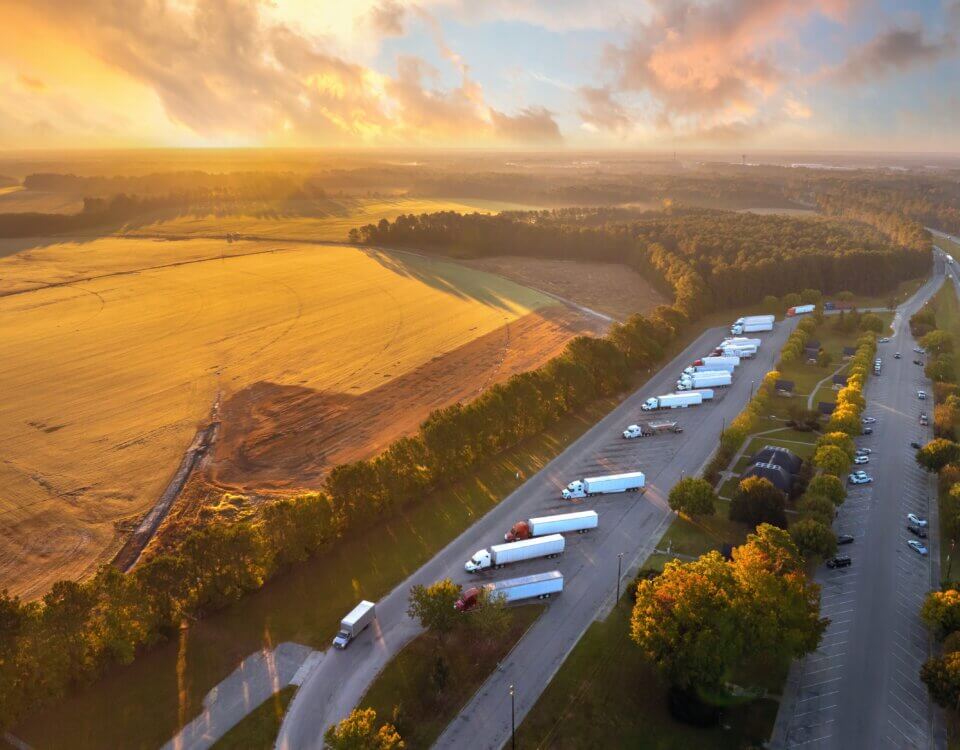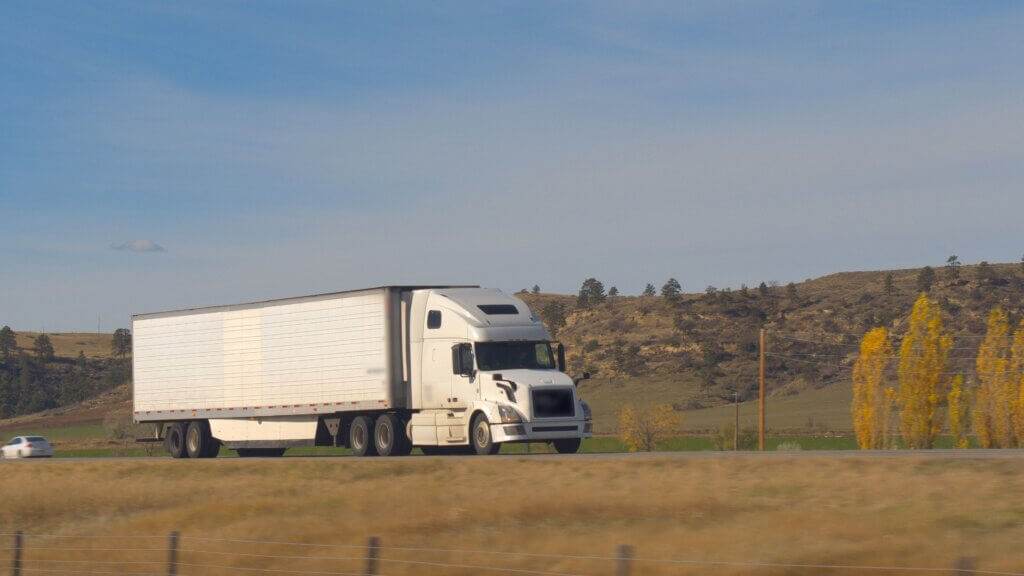
Sharing the road with semi-trucks requires awareness and caution. Blind spots, also known as “no-zones,” are areas around trucks where drivers have limited or no visibility. Understanding how to avoid these blind spots can help prevent serious accidents on California’s highways.
Where Truck Blind Spots Are Located
- Front Blind Spot: Extends several feet in front of the cab.
- Rear Blind Spot: Stretches for a significant distance directly behind the trailer.
- Right-Side Blind Spot: The largest blind spot, spanning multiple lanes.
- Left-Side Blind Spot: Smaller but still dangerous, located just behind the cab.
Safety Tips for Passenger Vehicle Drivers
- Pass Quickly and Safely: Do not linger alongside a truck.
- Stay Visible: If you cannot see the truck driver’s mirrors, they likely cannot see you.
- Avoid Tailgating: Give trucks extra space to stop safely.
- Signal Early: Use turn signals well in advance when merging or changing lanes near trucks.
Why Blind Spots Are So Dangerous
- Trucks make wide turns and may swing into adjacent lanes.
- Sudden braking or lane changes can trap smaller vehicles in no-zones.
- Limited visibility makes it harder for truck drivers to react to nearby vehicles.
What Truck Drivers Can Do
- Check mirrors frequently and adjust them properly.
- Use turn signals early to alert surrounding vehicles.
- Maintain a safe speed and avoid abrupt lane changes.
Staying Safe Around Semi-Trucks
Awareness of blind spots is a shared responsibility. By staying visible, giving trucks extra space, and driving predictably, motorists can significantly reduce the risk of collisions with semi-trucks on California’s busy roads.
Note: These blog posts are created solely for the use of Hillstone Law. The information is gathered from internet research, publicly available sources, and artificial intelligence (AI) tools such as ChatGPT. While we aim to share helpful and educational content, Hillstone Law does not independently verify every detail. Some information may be incomplete, outdated, or subject to change without notice. If you believe any part of a post is inaccurate, misleading, or infringes upon copyright, please contact Hillstone Law immediately so we can review it and take appropriate action, including correction or removal.
Disclaimer: The material provided in these blogs is for general informational purposes only and should not be considered legal advice. Reading these posts does not create, and is not intended to create, an attorney-client relationship with Hillstone Law. Our intent is to share knowledge, raise awareness, and provide helpful resources to the public; however, Hillstone Law makes no warranties or guarantees about the accuracy, completeness, or reliability of the information provided, and expressly disclaims liability for any actions taken in reliance on it. The photos used in these posts are for illustrative purposes only and do not depict actual clients, individuals, or incidents unless expressly stated. If you or a loved one has been injured in an accident, please contact Hillstone Law at (855) 691-1691. Our attorneys are available to answer your legal questions and help you understand your rights.