Catastrophic injuries from truck accidents often require ongoing medical care that can last for years or even a lifetime. Proving the extent of these future medical needs is essential for securing fair compensation in California personal injury cases.
What Counts as Long-Term Medical Needs
- Surgeries or follow-up procedures.
- Rehabilitation and physical therapy.
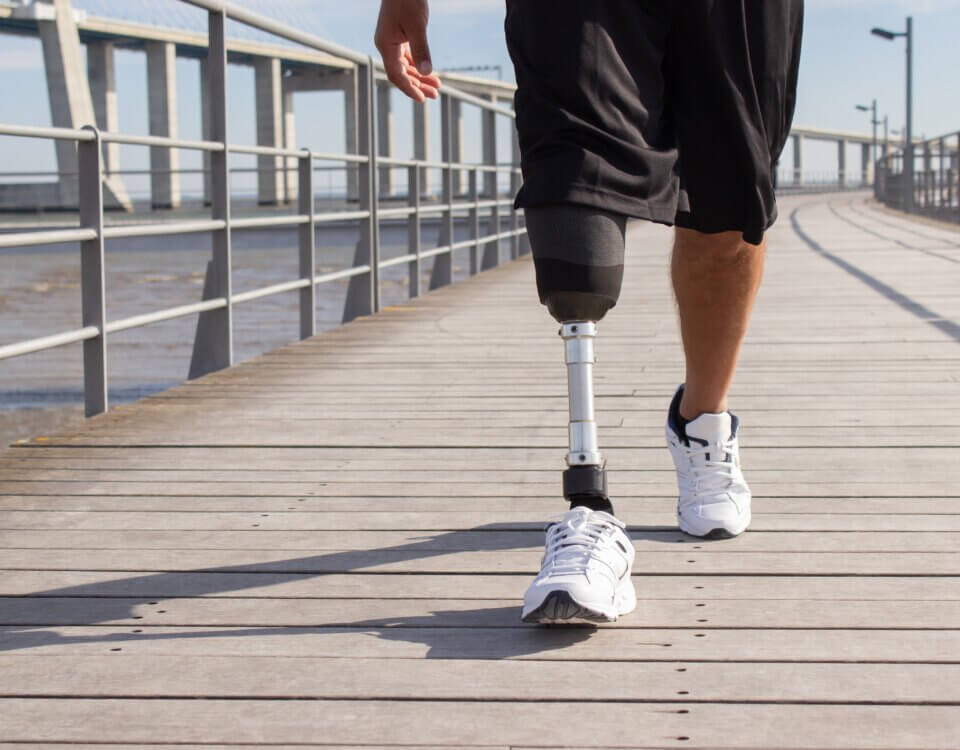
- Specialized equipment such as wheelchairs or prosthetics.
- In-home nursing care or assisted living.
- Prescription medications or pain management.
- Modifications to your home or vehicle for accessibility.
Key Evidence to Support Your Claim
- Medical Records: Detailed documentation of current injuries and treatments.
- Expert Testimony: Doctors and specialists can explain your prognosis and future care requirements.
- Life Care Plans: Comprehensive reports estimating costs for medical needs over your lifetime.
- Employment Records: Show how injuries affect your ability to work and earn income.
Common Challenges Victims Face
- Insurer Disputes: Companies may argue that your needs are temporary or exaggerated.
- Changing Conditions: Injuries may worsen or improve, making accurate projections difficult.
- Proving Future Costs: Long-term expenses require credible expert evaluations.
Steps to Strengthen Your Case
- Seek regular follow-up care and follow your doctor’s recommendations.
- Request written statements from specialists about your long-term prognosis.
- Keep receipts and invoices for all current medical expenses.
- Work with a personal injury attorney who has experience with catastrophic injury cases.
Ensuring Fair Compensation
Accurately proving long-term medical needs ensures you are not left covering future costs out of pocket. With the right evidence and professional support, you can secure the resources necessary for ongoing care and quality of life.
Note: The content published on the Hillstone Law blog is prepared for informational and educational purposes using a variety of research resources and publicly available information. We make reasonable efforts to provide helpful, relevant, and current information; however, laws, regulations, facts, and other details may change over time or vary depending on the circumstances. If you believe any portion of a post contains inaccurate or misleading information, or raises a copyright concern, please contact Hillstone Law so we can review the matter and make any appropriate corrections or updates.
Disclaimer: The material provided in these blogs is for general informational purposes only and should not be considered legal advice. Reading these posts does not create, and is not intended to create, an attorney-client relationship with Hillstone Law. Our intent is to share knowledge, raise awareness, and provide helpful resources to the public; however, Hillstone Law makes no warranties or guarantees about the accuracy, completeness, or reliability of the information provided, and expressly disclaims liability for any actions taken in reliance on it. The photos used in these posts are for illustrative purposes only and do not depict actual clients, individuals, or incidents unless expressly stated. If you or a loved one has been injured in an accident, please contact Hillstone Law at (855) 691-1691. Our attorneys are available to answer your legal questions and help you understand your rights.