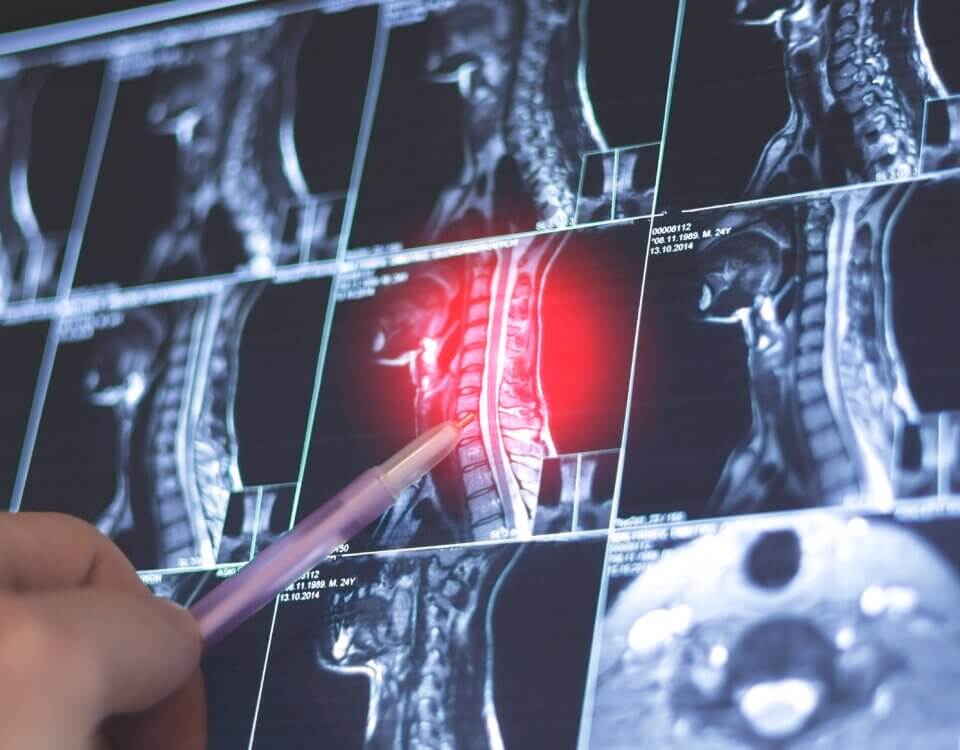
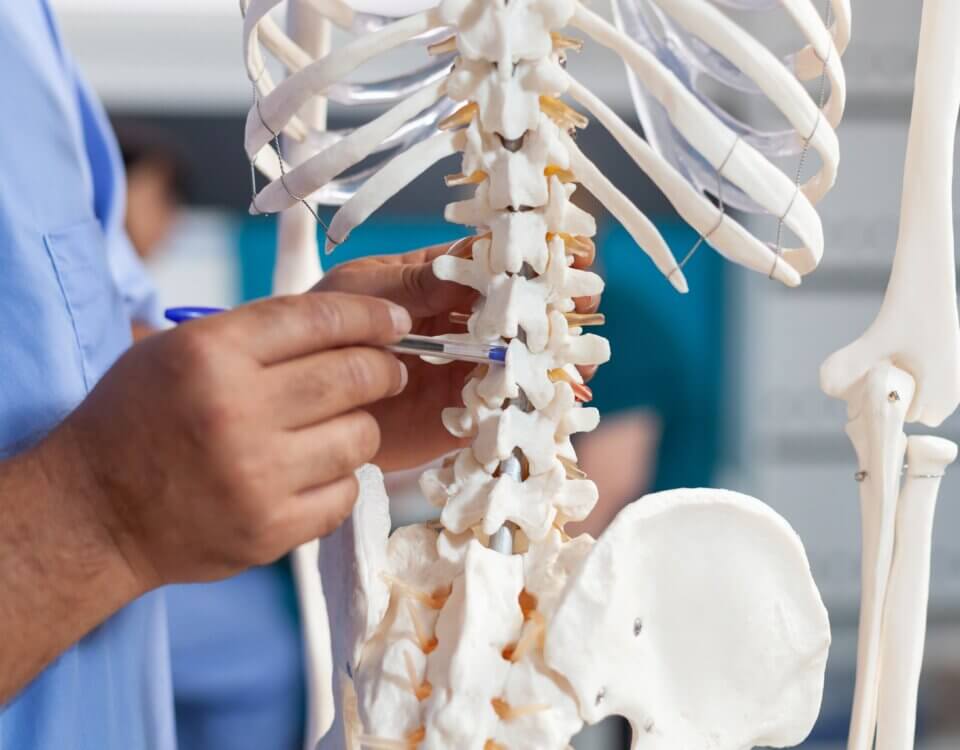
Spinal injuries often change lives. Whether resulting from a car crash, a fall, or another incident, they frequently lead to long recovery periods and sometimes surgery. A very common question after surgery is: when will I be able to drive again? While every case is different, there are several factors to consider to make that decision safely.
Why Driving After Spine Surgery Is Complex
Driving requires more than just moving your legs. You need strong control of your upper body to steer, look around, check mirrors, brake in an emergency, and make turns. Surgery on the cervical (neck) or lumbar (lower back) spine can limit even small movements. Pain medications, spasms, swelling, stiffness, and delayed healing can all make driving unsafe even if you feel “okay.”
What Doctors Generally Look At Before Clearing You to Drive
Medical professionals usually check several things before saying it’s safe to drive again. These include the location of the surgery (neck, middle, or lower back), how much range of motion you have, your ability to control muscles, whether you’re taking strong pain medications (especially opioids), your reaction time, and whether braking or steering motions cause pain or risk. The type of vehicle you plan to drive also matters, larger vehicles or those with heavy controls may require more strength or mobility.
Typical Timeline, but Expect Variation
Though every case differs, many people find they may be able to drive again somewhere between about 4 to 8 weeks after surgery. This depends heavily on how severe the injury was, how well the surgery went, how fast therapy is going, your overall health, age, pain levels, and how well you follow post-surgery care. It’s crucial to get explicit permission from your surgeon or medical provider before resuming driving.
Types of Spinal Injuries That Lead to Surgery
Spinal surgery may result from:
- Injuries to the vertebrae or discs in car accidents, such as whiplash or herniation
- Falls from heights or tripping/slipping incidents
- Workplace impacts, especially where lifting or sudden force is involved
- Defective equipment or unsafe premises
If surgery was needed because of someone else’s negligence, there may be legal remedies available for the costs, lost income, diminished quality of life, pain and suffering, and long-term rehabilitation.
Emotional and Daily Impacts
Losing the ability to drive even temporarily often affects more than mobility. It can mean reduced independence, inability to care for family members, isolation, depression, anxiety. These emotional burdens are a part of recovery and often factor into legal claims.
Legal & Financial Recovery Concerns
When someone else causes the injury, you may be able to claim compensation for medical bills (past and future), income you missed while unable to work, pain and suffering, adaptation or assistive devices needed, and any modifications to your home or vehicle required to make everyday life manageable. Disputes often arise over how much recovery will be needed in the future, what limitations remain, and how pain or reduced ability affect your daily life.
What You Should Do Before Getting Behind the Wheel Again
Always get medical clearance before driving. Follow your physical therapy and doctor’s recommendations. If medication impairs judgment or reflexes, avoid driving. Test your ability first under safe conditions, short trips, less traffic, daylight. Keep track of symptoms, discomfort or difficulty with movement while driving. Document everything: therapy progress, medical reports, how your injury affects driving tasks.
How Hillstone Law Supports You
At Hillstone Law we help spinal injury clients by consulting with your medical team to understand exactly what your injury is and what recovery looks like. We document all losses including your inability to drive, loss of independence, emotional strain, and future needs. We negotiate with insurers to ensure compensation accounts for both immediate and ongoing impairments. We also make sure you aren’t pressured into settling too early before you’ve fully assessed your needs.
If you’re recovering from spine surgery after an accident, contact Hillstone Law for a free evaluation. We can help you understand when driving might be safe again and help you pursue the compensation you deserve.
Note: These blog posts are created solely for the use of Hillstone Law. The information is gathered from internet research, publicly available sources, and artificial intelligence (AI) tools such as ChatGPT. While we aim to share helpful and educational content, Hillstone Law does not independently verify every detail. Some information may be incomplete, outdated, or subject to change without notice. If you believe any part of a post is inaccurate, misleading, or infringes upon copyright, please contact Hillstone Law immediately so we can review it and take appropriate action, including correction or removal.
Disclaimer: The material provided in these blogs is for general informational purposes only and should not be considered legal advice. Reading these posts does not create, and is not intended to create, an attorney-client relationship with Hillstone Law. Our intent is to share knowledge, raise awareness, and provide helpful resources to the public; however, Hillstone Law makes no warranties or guarantees about the accuracy, completeness, or reliability of the information provided, and expressly disclaims liability for any actions taken in reliance on it. The photos used in these posts are for illustrative purposes only and do not depict actual clients, individuals, or incidents unless expressly stated. If you or a loved one has been injured in an accident, please contact Hillstone Law at (855) 691-1691. Our attorneys are available to answer your legal questions and help you understand your rights.