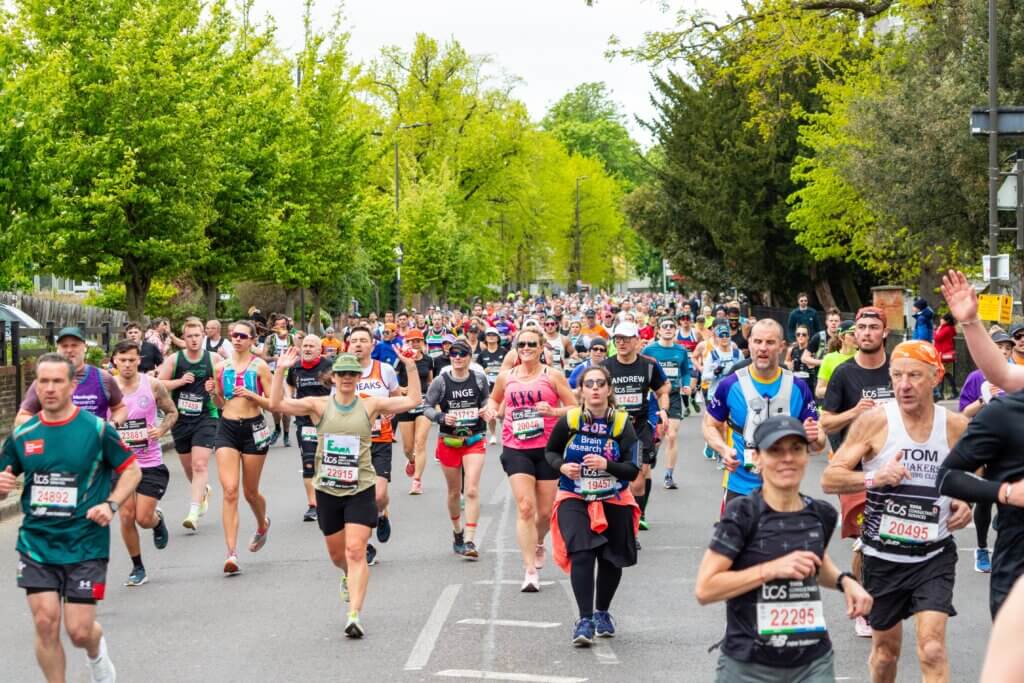
Charity runs and marathons bring California communities together for great causes, but without proper planning, they can create traffic hazards and endanger runners, volunteers, and spectators. Thoughtful route design and safety measures ensure these events are both enjoyable and secure.
Key Considerations for Safe Routes
- Traffic Flow: Choose roads with minimal vehicle traffic or arrange full closures to protect runners.
- Emergency Access: Ensure ambulances and first responders can quickly reach any part of the route.
- Clear Signage: Mark turns, aid stations, and hazards like potholes or uneven pavement.
- Volunteer Placement: Position course marshals at key intersections to guide participants and monitor safety.
Common Challenges and Solutions
- Busy Intersections: Use police or trained volunteers to control traffic.
- Narrow Trails or Streets: Stagger start times or limit participant numbers to avoid crowding.
- Weather Risks: Have contingency plans for extreme heat, rain, or wind.
Community and City Collaboration
- Coordinate With Local Authorities: Work with police, fire departments, and transportation agencies for permits and traffic control.
- Engage Businesses and Residents: Inform them about closures and encourage participation or sponsorship.
- Promote Awareness: Use social media, local news, and flyers to share route maps and safety information.
Tips for Participants
- Know the Route: Review maps and familiarize yourself with aid station locations.
- Stay Hydrated: Use water stations and bring a refillable bottle if allowed.
- Follow Instructions: Listen to volunteers and announcements for updates or hazards.
Safer Events, Stronger Communities
Proper planning not only protects participants but also strengthens community trust and enjoyment. By prioritizing safety, organizers can ensure charity runs and marathons are positive, memorable events that benefit everyone involved.
Note: The content published on the Hillstone Law blog is prepared for informational and educational purposes using a variety of research resources and publicly available information. We make reasonable efforts to provide helpful, relevant, and current information; however, laws, regulations, facts, and other details may change over time or vary depending on the circumstances. If you believe any portion of a post contains inaccurate or misleading information, or raises a copyright concern, please contact Hillstone Law so we can review the matter and make any appropriate corrections or updates.
Disclaimer: The material provided in these blogs is for general informational purposes only and should not be considered legal advice. Reading these posts does not create, and is not intended to create, an attorney-client relationship with Hillstone Law. Our intent is to share knowledge, raise awareness, and provide helpful resources to the public; however, Hillstone Law makes no warranties or guarantees about the accuracy, completeness, or reliability of the information provided, and expressly disclaims liability for any actions taken in reliance on it. The photos used in these posts are for illustrative purposes only and do not depict actual clients, individuals, or incidents unless expressly stated. If you or a loved one has been injured in an accident, please contact Hillstone Law at (855) 691-1691. Our attorneys are available to answer your legal questions and help you understand your rights.