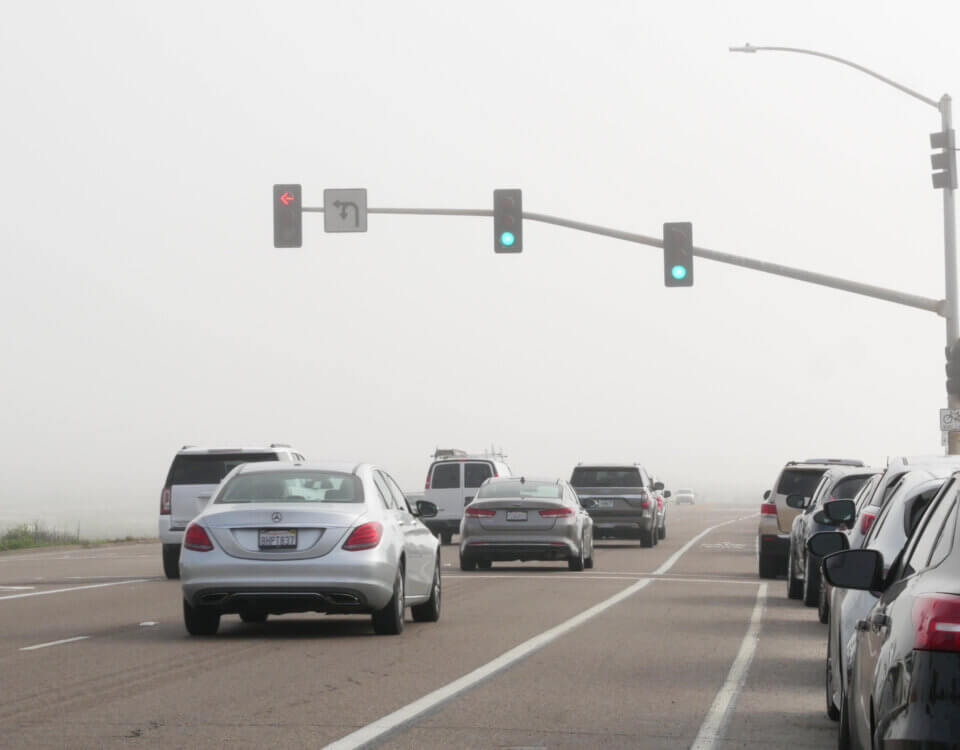
Unsafe road conditions like potholes, broken traffic signals, or missing signs can cause serious accidents. Reporting these hazards promptly helps protect drivers, cyclists, and pedestrians, and ensures local authorities can address problems before they lead to injuries.
Common Unsafe Conditions to Watch For
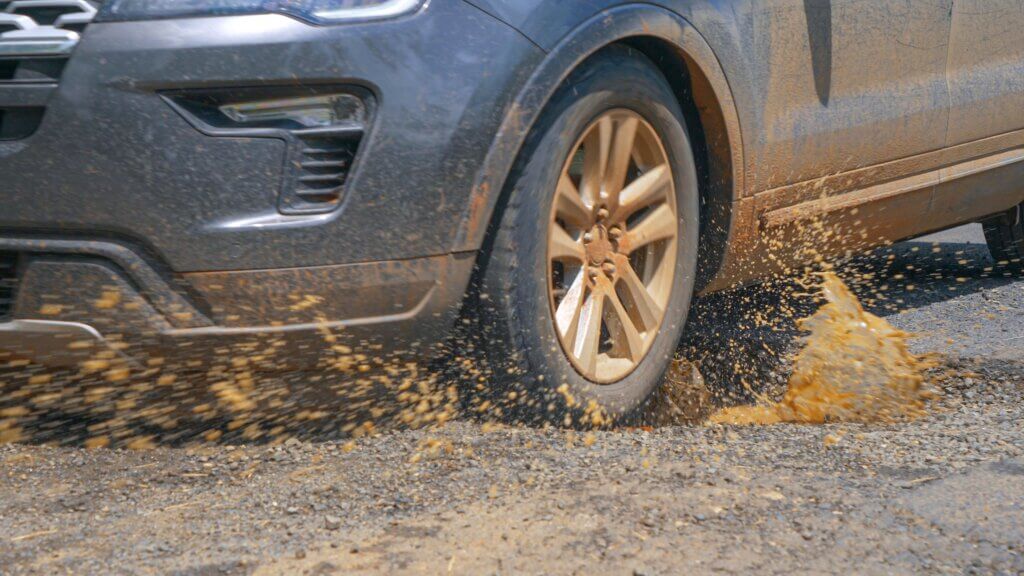
- Potholes and Cracks: Can damage vehicles or cause cyclists to lose control.
- Faded or Missing Signs: Reduce driver awareness and increase the risk of collisions.
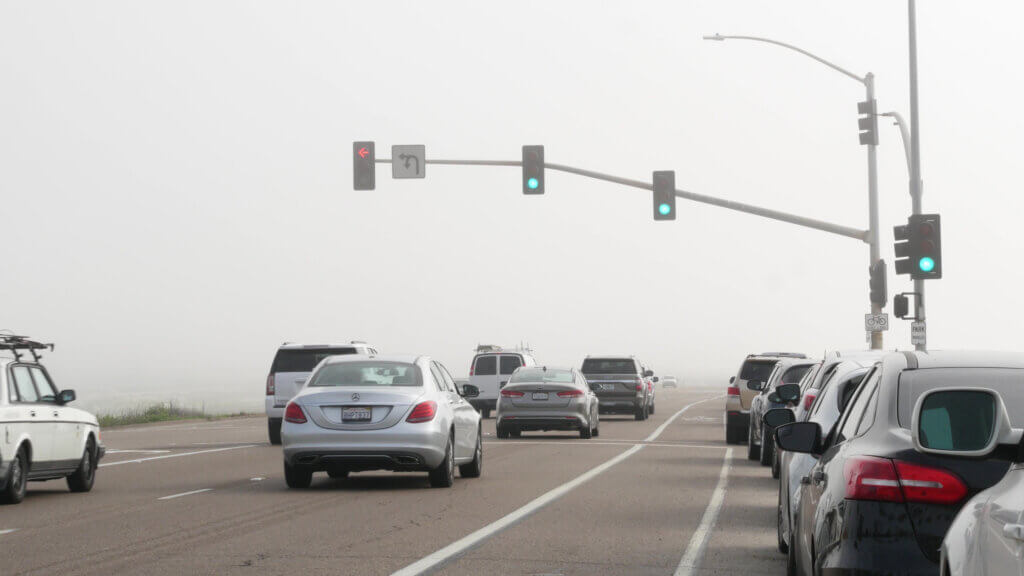
- Malfunctioning Traffic Signals: Create confusion at intersections.
- Debris or Obstructions: Fallen branches, construction material, or spilled cargo can block lanes.
- Poor Lighting: Makes it difficult to see pedestrians or hazards at night.
How to File a Report in California
- Identify the Exact Location – Note the cross streets, mile markers, or nearby landmarks.
- Contact the Correct Agency –
- For city streets, use your city’s public works department or online reporting portals.
- For highways or state routes, contact Caltrans through their online maintenance request form.
- Provide Details and Photos – Clear descriptions and pictures speed up the repair process.
- Follow Up – If the issue persists, follow up with the agency or attend a local council meeting.
Community Tools That Help
- 311 Services in many California cities let residents report hazards via phone or app.
- Neighborhood Social Platforms like Nextdoor can mobilize community support for urgent fixes.
- Local Advocacy Groups often help push for long-term infrastructure improvements.
Why Reporting Matters
Unreported hazards can lead to preventable accidents or injuries. By taking a few minutes to file a report, residents play a direct role in keeping their communities safer.
Building a Culture of Safety
When everyone contributes to monitoring and reporting unsafe conditions, local roads become safer and more reliable for all. Community involvement is one of the most effective ways to ensure problems are fixed quickly and prevent tragedies.
Note: These blog posts are created solely for the use of Hillstone Law. The information is gathered from internet research, publicly available sources, and artificial intelligence (AI) tools such as ChatGPT. While we aim to share helpful and educational content, Hillstone Law does not independently verify every detail. Some information may be incomplete, outdated, or subject to change without notice. If you believe any part of a post is inaccurate, misleading, or infringes upon copyright, please contact Hillstone Law immediately so we can review it and take appropriate action, including correction or removal.
Disclaimer: The material provided in these blogs is for general informational purposes only and should not be considered legal advice. Reading these posts does not create, and is not intended to create, an attorney-client relationship with Hillstone Law. Our intent is to share knowledge, raise awareness, and provide helpful resources to the public; however, Hillstone Law makes no warranties or guarantees about the accuracy, completeness, or reliability of the information provided, and expressly disclaims liability for any actions taken in reliance on it. The photos used in these posts are for illustrative purposes only and do not depict actual clients, individuals, or incidents unless expressly stated. If you or a loved one has been injured in an accident, please contact Hillstone Law at (855) 691-1691. Our attorneys are available to answer your legal questions and help you understand your rights.