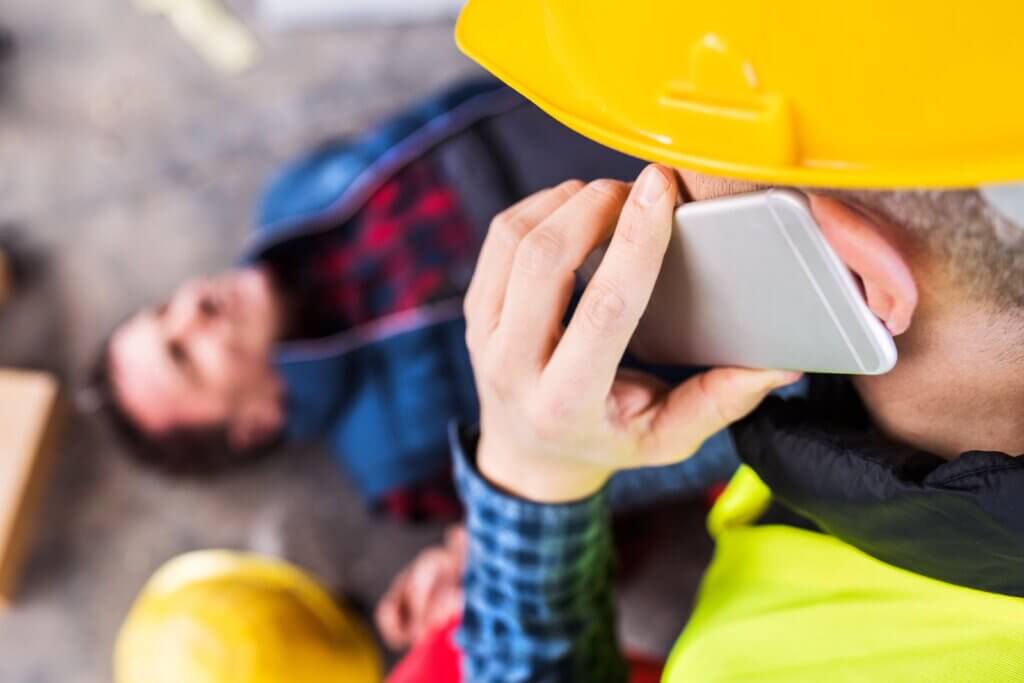
Slip, trip, and fall accidents are some of the most frequent and dangerous incidents in workplaces. Many of these accidents are preventable, and recognizing the risks is essential for both safety and legal protection.
How These Accidents Occur
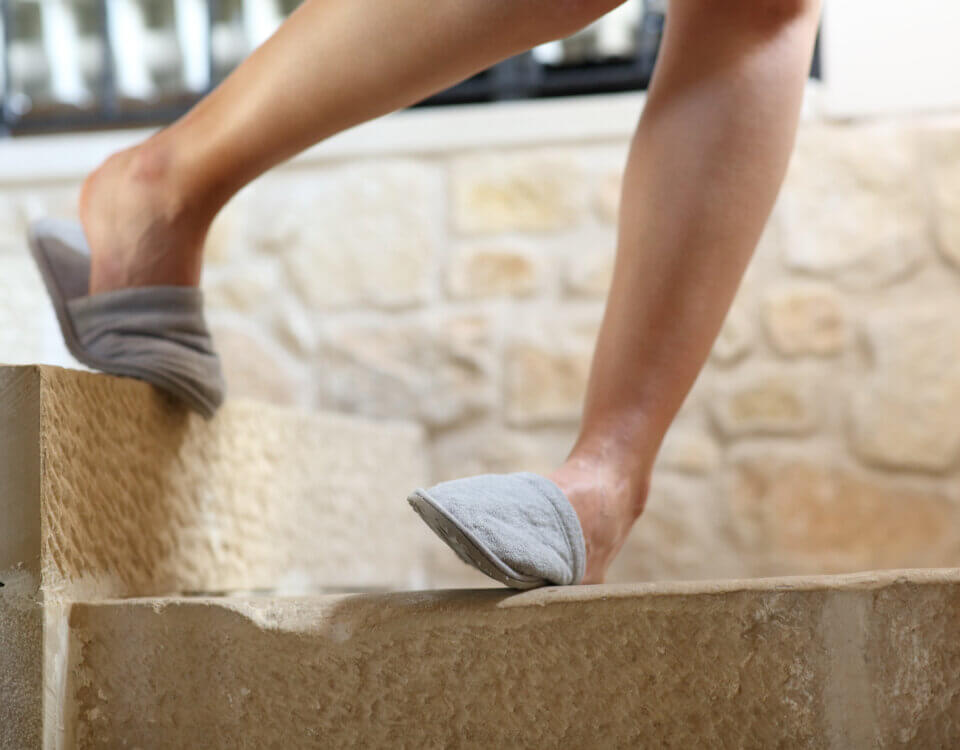
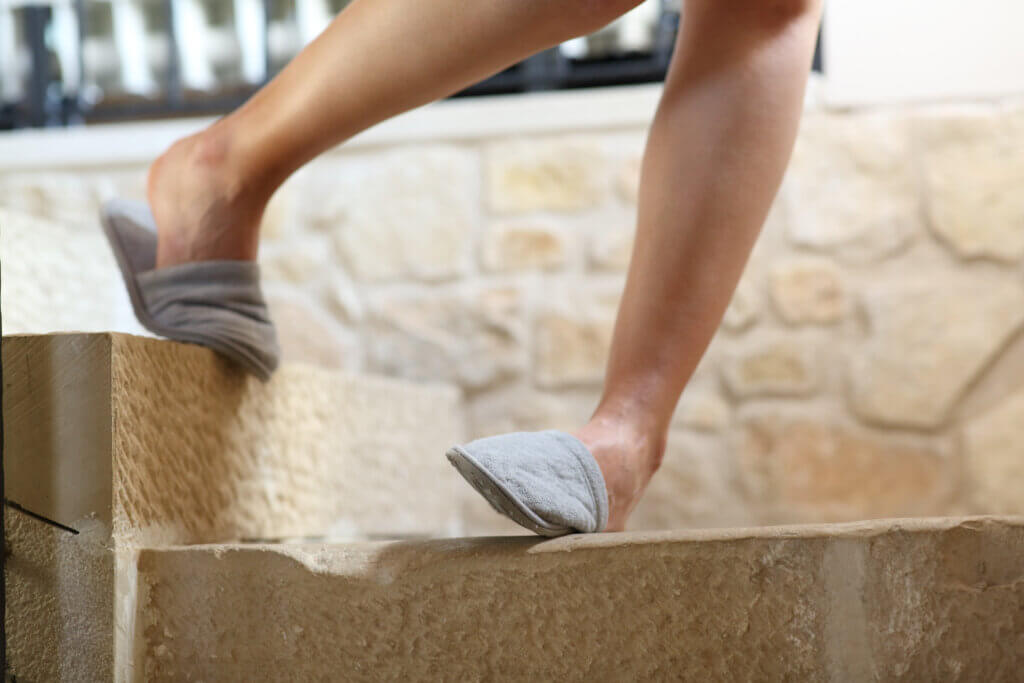
Slips usually happen when a person’s foot loses traction on a surface, often due to spills, moisture, ice, or slick flooring. Rushing, distraction, or improper footwear make the risk even higher. Trips occur when a person’s foot strikes an object or uneven surface, causing them to lose balance. Falls often follow slips or trips and can happen on flat ground or from elevated places such as ladders, scaffolds, or rooftops.
Typical Workplace Hazards
Some of the most common hazards include wet or uneven floors, loose mats, cords or clutter blocking walkways, poor lighting that makes obstacles difficult to see, shoes without proper grip, unstable or poorly built scaffolding, and uncovered openings in floors, roofs, or stairwells. These hazards are widespread and affect many types of work environments.
Occupations with Higher Risk
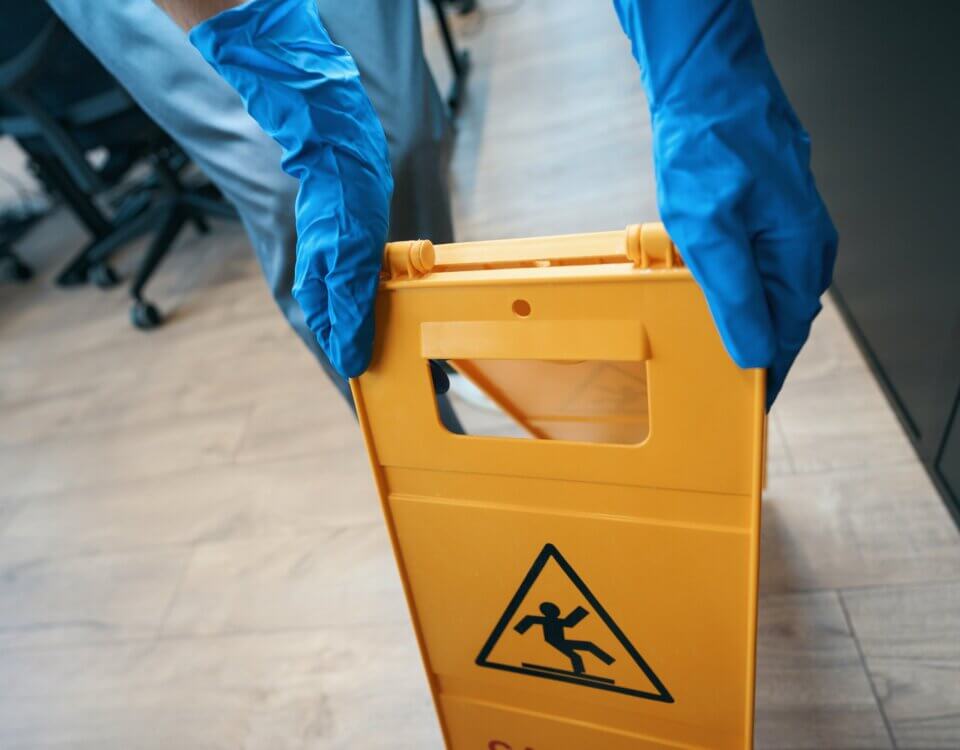
Certain professions face greater danger of slip, trip, and fall accidents. Construction workers deal with uneven terrain and elevated work areas. Food service employees work in fast-paced kitchens and dining spaces where spills are common. Custodial staff frequently handle wet floors and cleaning products. Retail workers face cluttered aisles and crowded environments. Healthcare workers move quickly in spill-prone areas, which also increases risk.
Why This Matters Legally
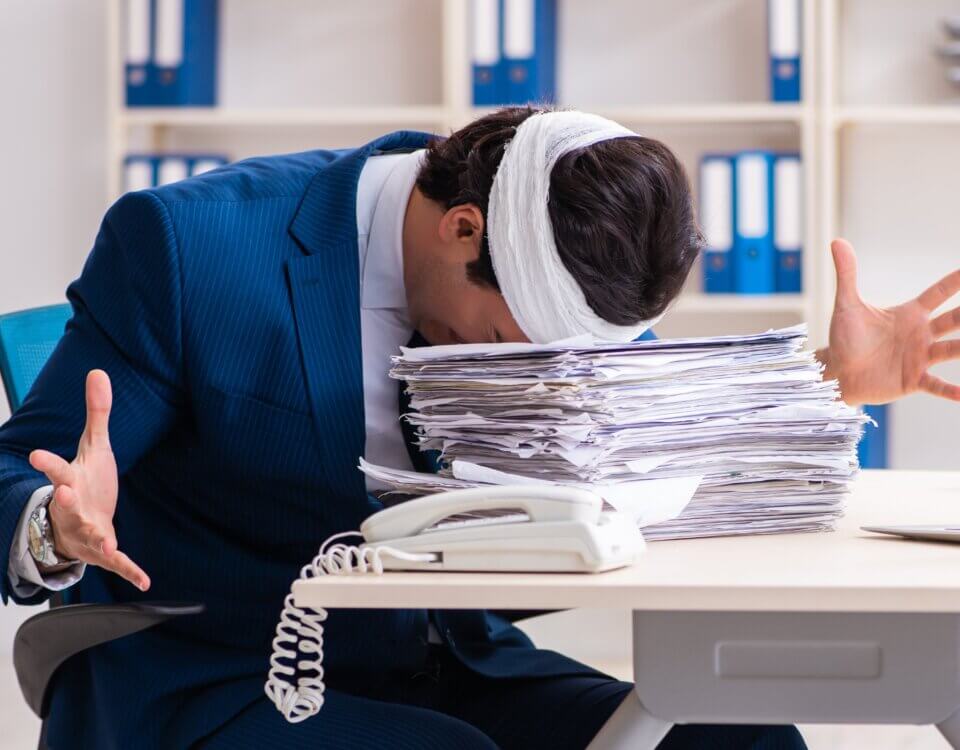
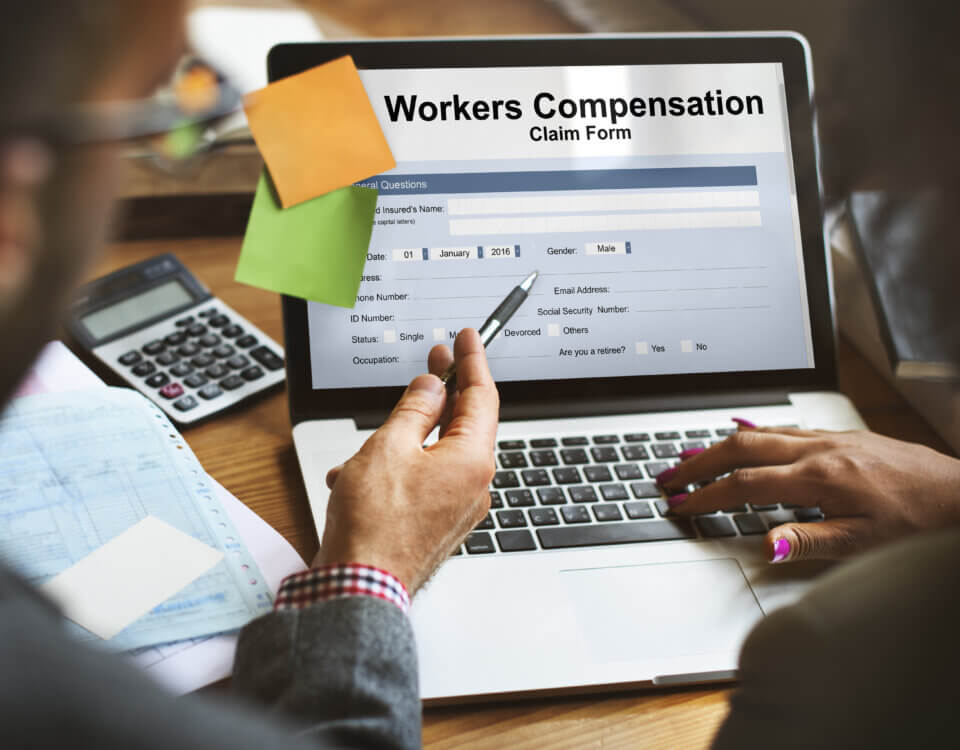
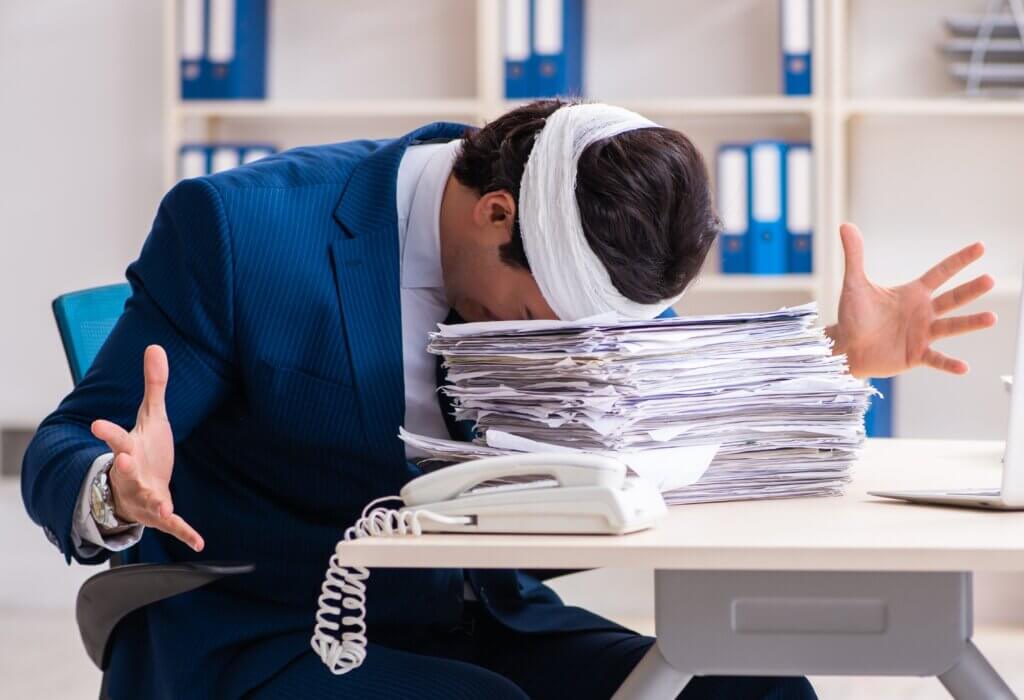
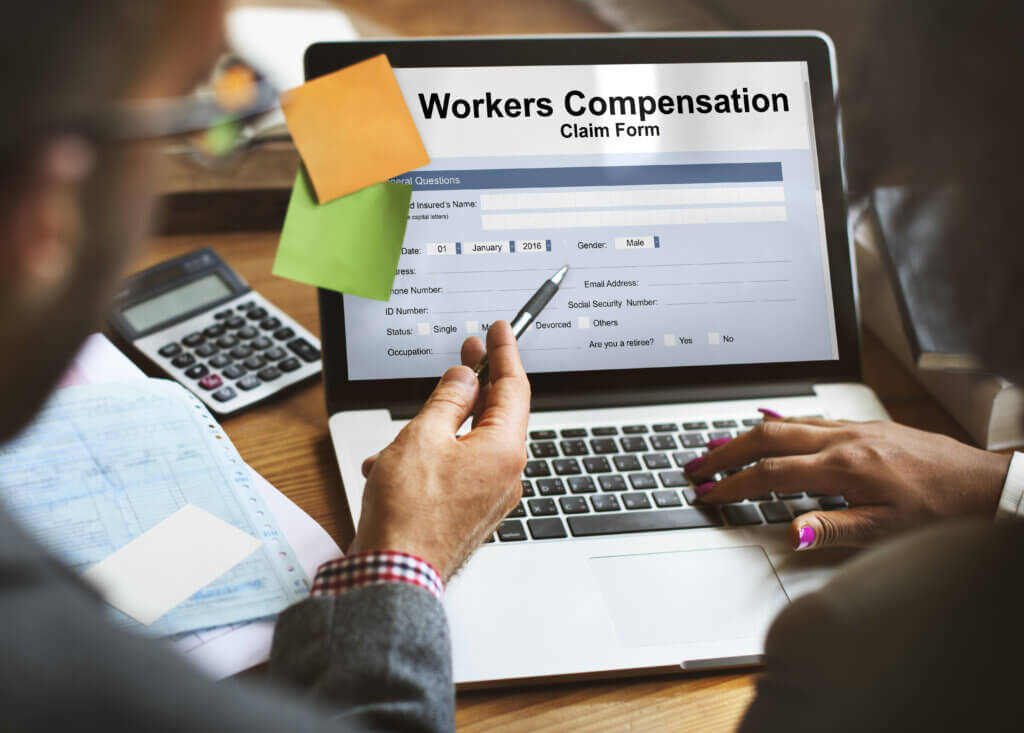
These accidents can lead to broken bones, concussions, and other serious injuries. Employers are legally responsible for creating safe work conditions. That includes identifying hazards, maintaining equipment, and providing training to employees. When negligence occurs, injured workers may have a claim through workers’ compensation or other legal actions depending on the circumstances.
Key Takeaways
Slip, trip, and fall accidents are among the most common workplace injuries, but they are often preventable. Hazards like wet floors, poor lighting, cluttered walkways, and unsafe scaffolding put employees at risk every day. Industries such as construction, food service, retail, custodial, and healthcare see these dangers most often. Employers who fail to maintain safe conditions may be held legally accountable, and workers injured in these accidents have the right to pursue compensation.
Note: These blog posts are created solely for the use of Hillstone Law. The information is gathered from internet research, publicly available sources, and artificial intelligence (AI) tools such as ChatGPT. While we aim to share helpful and educational content, Hillstone Law does not independently verify every detail. Some information may be incomplete, outdated, or subject to change without notice. If you believe any part of a post is inaccurate, misleading, or infringes upon copyright, please contact Hillstone Law immediately so we can review it and take appropriate action, including correction or removal.
Disclaimer: The material provided in these blogs is for general informational purposes only and should not be considered legal advice. Reading these posts does not create, and is not intended to create, an attorney-client relationship with Hillstone Law. Our intent is to share knowledge, raise awareness, and provide helpful resources to the public; however, Hillstone Law makes no warranties or guarantees about the accuracy, completeness, or reliability of the information provided, and expressly disclaims liability for any actions taken in reliance on it. The photos used in these posts are for illustrative purposes only and do not depict actual clients, individuals, or incidents unless expressly stated. If you or a loved one has been injured in an accident, please contact Hillstone Law at (855) 691-1691. Our attorneys are available to answer your legal questions and help you understand your rights.