The Garden Grove chemical leak quickly escalated into one of the most alarming industrial emergencies Southern California has seen in recent years.
What initially appeared to be a hazardous materials incident soon became a full-scale emergency response involving evacuations, road closures, hazmat crews, air monitoring teams, and growing fears of a catastrophic chemical explosion.
As thousands of Orange County residents were forced to evacuate, many people began asking the same question:
How dangerous was the Garden Grove chemical tank crisis really?
What Happened at the Garden Grove Facility?
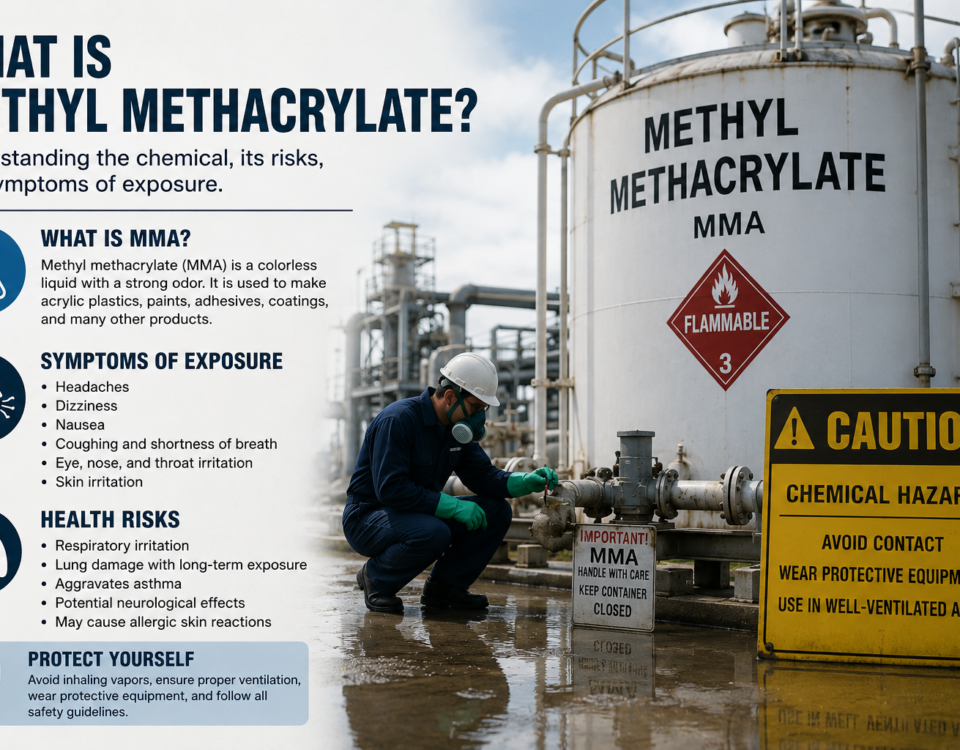
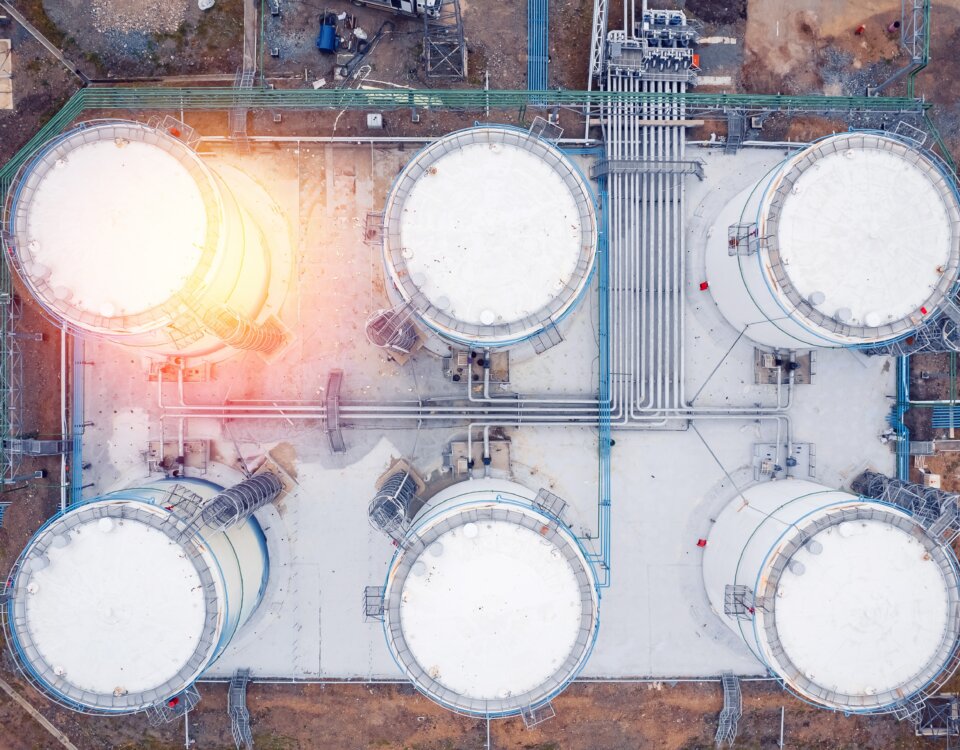
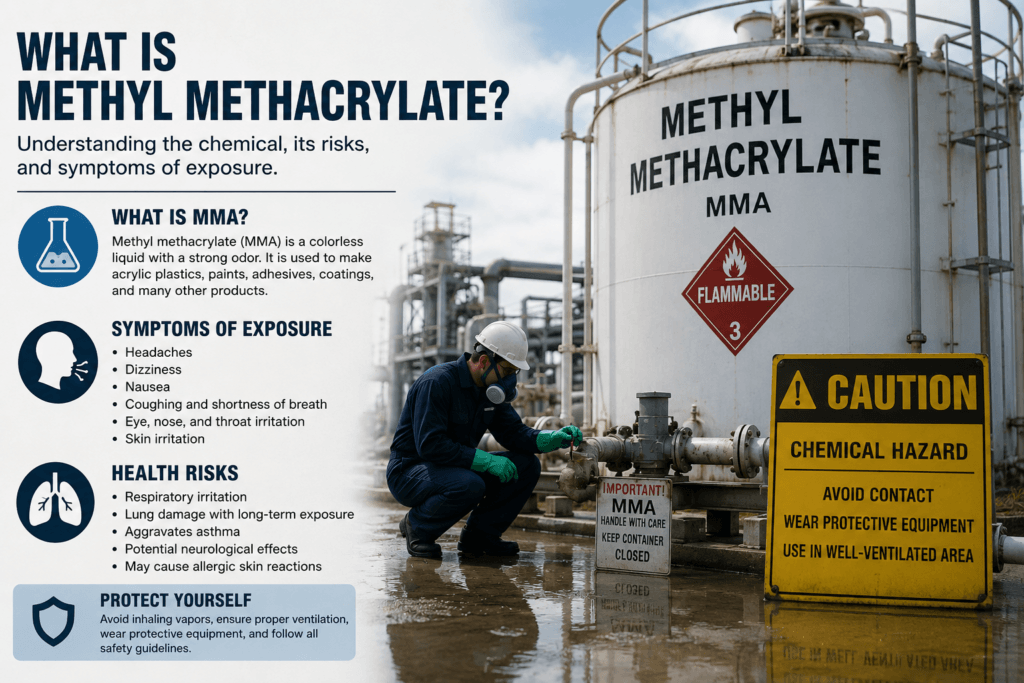
The emergency began when officials discovered that a massive industrial tank containing methyl methacrylate (MMA) at the GKN Aerospace facility in Garden Grove had become unstable and dangerously overheated.
Authorities warned that pressure inside the tank continued rising, creating the possibility of:
- Toxic chemical release
- Large fire
- Major explosion
- Airborne contamination
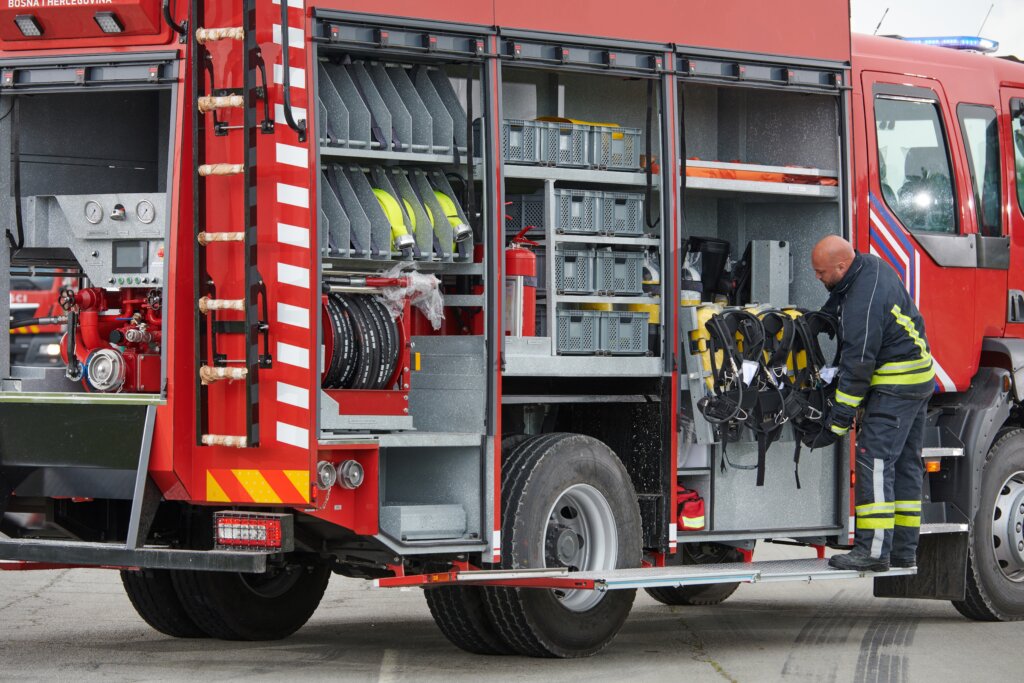
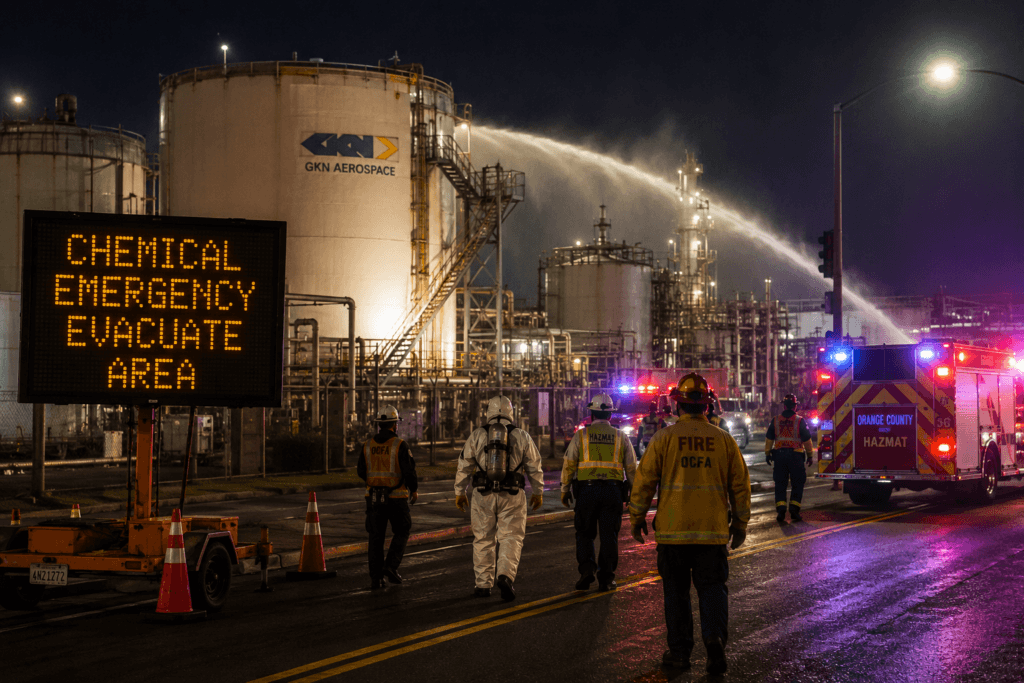
Emergency responders immediately began evacuation procedures as hazmat crews rushed to stabilize the situation.
Why Officials Feared a Massive Explosion
According to emergency officials, the danger centered around increasing heat and vapor pressure building inside the tank.
Methyl methacrylate is highly flammable, and when exposed to certain conditions, the chemical can become extremely volatile.
Authorities feared the possibility of a BLEVE, also known as a:
Boiling Liquid Expanding Vapor Explosion
A BLEVE can occur when:
- A pressurized tank overheats
- Internal pressure rapidly increases
- The container ruptures violently
- Flammable vapors ignite
Such explosions can create devastating shockwaves, fires, flying debris, and toxic smoke.
Because of the tank’s size and chemical contents, officials warned that surrounding neighborhoods could face serious danger if the tank exploded.
Why the Situation Became So Serious
Several factors made the Garden Grove incident especially dangerous:
1. Large Chemical Volume
The industrial tank reportedly contained thousands of gallons of methyl methacrylate.
2. Rising Internal Temperature
Emergency crews monitored increasing temperatures inside the tank, raising concerns about instability.
3. Toxic Vapor Concerns
Officials feared airborne chemical exposure if vapors escaped into nearby communities.
4. Dense Residential Areas Nearby
The industrial facility sits close to populated Orange County neighborhoods, schools, businesses, and major roadways.
5. Explosion Risk
Authorities warned that a catastrophic tank failure could create widespread damage.
Massive Emergency Response Across Orange County
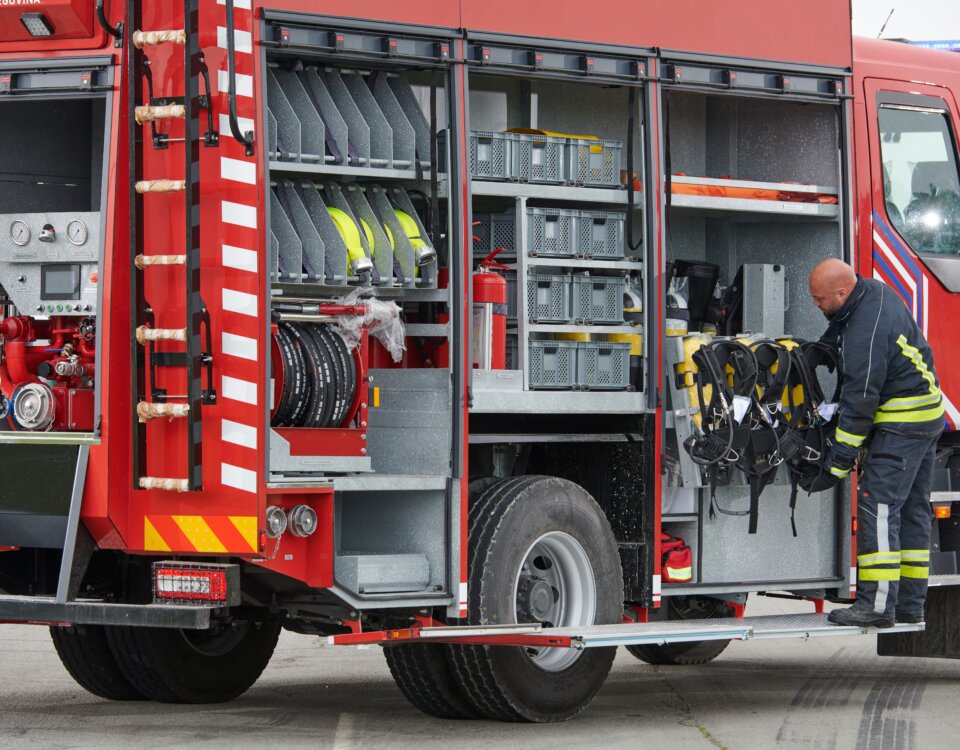
The chemical emergency triggered a major regional response involving:
- Fire departments
- Hazmat units
- Police agencies
- Air monitoring teams
- Emergency management officials
- Evacuation coordinators
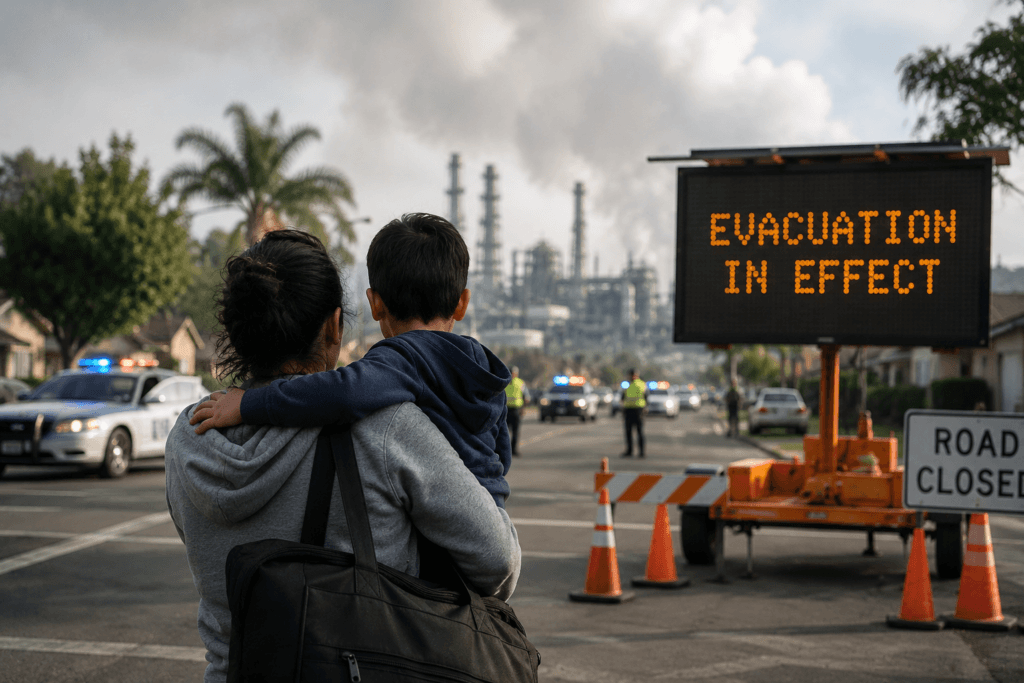
Road closures spread across surrounding communities while emergency shelters opened for displaced residents.
Residents in Garden Grove, Anaheim, Buena Park, Cypress, Stanton, and Westminster were affected by evacuation orders and emergency warnings.
How Officials Prevented a Disaster
Emergency responders spent days attempting to cool and stabilize the overheating tank.
Crews used water cooling operations and constant monitoring to reduce the risk of explosion while specialists evaluated pressure conditions inside the container.
Authorities later announced that pressure inside the tank had partially decreased after a crack formed and released built-up vapor pressure.
Officials stated that this development helped reduce the immediate risk of catastrophic explosion.
However, evacuation orders and emergency operations continued while investigators assessed ongoing hazards.
Health and Environmental Concerns Remain
Even after the immediate explosion threat was reduced, concerns remained about:
- Toxic air exposure
- Chemical inhalation
- Environmental contamination
- Property damage
- Long-term health impacts
Some residents reported symptoms including:
- Headaches
- Dizziness
- Eye irritation
- Respiratory issues
- Nausea
- Coughing
Health officials continue monitoring conditions and investigating possible environmental effects.
Could Negligence Have Played a Role?
Investigators are now reviewing what caused the tank to become unstable and whether safety failures contributed to the emergency.
Potential areas under investigation may include:
- Tank maintenance
- Safety inspections
- Chemical storage procedures
- Temperature monitoring systems
- Emergency response protocols
- Industrial compliance practices
Depending on the findings, affected residents and workers may have legal rights.
Can Victims File Lawsuits After the Garden Grove Chemical Leak?
Potentially, yes.
Individuals and families impacted by the chemical emergency may seek compensation for:
- Medical expenses
- Toxic exposure injuries
- Evacuation costs
- Property damage
- Lost wages
- Emotional distress
- Business interruption losses
- Future medical monitoring
Some claims may proceed through mass tort or class action litigation depending on the scope of damages.
What Should You Do If You Were Affected?
If you were impacted by the Garden Grove chemical leak:
1. Seek Medical Attention
Document any symptoms or exposure-related concerns.
2. Save All Expenses
Keep records for hotels, food, transportation, and emergency costs.
3. Preserve Evidence
Take photos, videos, and save evacuation notices or alerts.
4. Avoid Speaking With Insurance Companies Alone
Early statements may affect future claims.
5. Speak With an Attorney
A lawyer can help explain your rights and legal options.
How Hillstone Law May Help
Industrial chemical emergencies can leave victims facing serious medical, emotional, and financial hardships.
At Hillstone Law, our attorneys fight for individuals and families harmed by negligence, dangerous conditions, and toxic exposure incidents.
If you or your family were affected by the Garden Grove chemical leak, contact Hillstone Law today for a free case review.
You pay nothing unless we win your case.
Note: These blog posts are created solely for the use of Hillstone Law. The information is gathered from internet research, publicly available sources, and artificial intelligence (AI) tools such as ChatGPT. While we aim to share helpful and educational content, Hillstone Law does not independently verify every detail. Some information may be incomplete, outdated, or subject to change without notice. If you believe any part of a post is inaccurate, misleading, or infringes upon copyright, please contact Hillstone Law immediately so we can review it and take appropriate action, including correction or removal.
Disclaimer: The material provided in these blogs is for general informational purposes only and should not be considered legal advice. Reading these posts does not create, and is not intended to create, an attorney-client relationship with Hillstone Law. Our intent is to share knowledge, raise awareness, and provide helpful resources to the public; however, Hillstone Law makes no warranties or guarantees about the accuracy, completeness, or reliability of the information provided, and expressly disclaims liability for any actions taken in reliance on it. The photos used in these posts are for illustrative purposes only and do not depict actual clients, individuals, or incidents unless expressly stated. If you or a loved one has been injured in an accident, please contact Hillstone Law at (855) 691-1691. Our attorneys are available to answer your legal questions and help you understand your rights.