

Why fault is rarely the fight in a drunk driving case
Most crash cases turn on who caused the crash. Drunk driving cases usually do not. A driver who chose to drive impaired and then hit someone has very little to argue about, and the breath or blood test often settles it. The real questions come later.
- Is there enough insurance? Impaired drivers are often uninsured or carry only the minimum.
- Who else is responsible? An employer, the owner of the car, or in narrow cases the person who supplied the alcohol.
- How serious is the injury, and how well is it documented? Insurers that cannot contest fault contest the damages instead.
- Are punitive damages worth pursuing? They can be, but insurance usually does not pay them.
The same law covers drugs. California makes it unlawful to drive under the influence of any drug, or of alcohol and drugs together, so a driver high on cannabis or prescription pills is in the same position as a drunk driver. Proof then comes from a blood test and the officer's drug evaluation rather than a breath test, and the toxicology report can take weeks.

How long do I have to sue after a car crash in California?
Read the transcript
How long do I have to sue after a car crash in California?
How long do I have to file after a car crash?
2 years from the injury to file a lawsuit. That is the general deadline in California. Code of Civil Procedure 335.1
6 months if a public entity was involved. A city bus, a county truck, a dangerous public road: a written claim comes first. Government Code 911.2
The clocks that start at the crash: 10 days, dMV report, form SR-1; 6 months, claim against a public entity; 2 years, injury lawsuit; 3 years, vehicle damage only.
Negotiation does not stop the clock. If the claim is still open as the date approaches, the lawsuit must be filed to protect it.
Exceptions can shorten or extend these limits. A child was hurt; The at-fault driver died; A federal vehicle; Your own uninsured motorist claim.
Free consultation. Call and tell us what happened. (855) 691-1691 Hablamos español.
General information about California law, not legal advice for your situation.
How many Californians die in alcohol-impaired crashes
Drunk driving is not a rare cause of death on California roads. In the federal count of fatal crashes, about one death in three now comes in a crash involving an alcohol-impaired driver, and that share has risen since 2019.
| Year | Deaths in alcohol-impaired crashes | All traffic deaths |
|---|---|---|
| 2019 | 966 | 3,719 |
| 2020 | 1,183 | 3,980 |
| 2021 | 1,435 | 4,513 |
| 2022 | 1,419 | 4,539 |
| 2023 | 1,316 | 4,169 |
| 2024 | 1,311 | 3,876 |
Method: Federal FARS counts for California: deaths in crashes FARS classes as involving an alcohol-impaired driver, and all traffic deaths, side by side so the share can be read across the row. 2024 is NHTSA's preliminary release and can change. 2019–2024.
Source: NHTSA FARS, read October 27, 2026.
Cite this: Deaths in alcohol-impaired crashes in California, 2019-2024, Hillstone Law analysis of NHTSA FARS data, 2019–2024. https://hillstonelaw.com/personal-injury/drunk-driving-accidents/#data-alcohol-impaired-deaths-california-2019-2024
Behind each death are many more injured people, and every one of them faces the same practical problem: the person who caused the crash is often the person least able to pay for it.
Who else can be responsible
The impaired driver comes first. Beyond that, the law looks at who put the driver on the road and in what car.
An employer, if the driver was working: a delivery, a sales call, a company vehicle on a work trip. A business answers for an employee driving in the course of the job, and it usually carries far more insurance than the driver.
The owner of the car, if someone else owned it and lent it.
Bars, restaurants and hosts, only in narrow cases. California law states that the drinking, not the serving, causes the injuries an intoxicated driver inflicts, and a social host who serves alcohol is generally not liable (Civil Code 1714). There is an exception for an adult who knowingly serves alcohol at home to someone under 21. These claims are rare and turn on their facts, so ask before you count on one.
When punitive damages are possible
On top of compensation, California allows damages meant to punish when there is clear and convincing proof of oppression, fraud or malice (Civil Code 3294). Drunk driving can meet that standard in some cases, for example a driver with prior convictions who knew the danger and drove anyway. It is decided case by case, on the driver's own history and conduct.
Two practical points follow. Insurance policies often do not pay punitive awards, so their value depends on the driver's own assets. And pursuing them means proving the driver's state of mind, which brings the arrest record, prior convictions and the bar receipts into the case. See punitive damages for how they work.
Where the money comes from
Because impaired drivers so often carry little or no insurance, the search for every policy matters more here than in most crash cases.
| Source | When it applies | What to know |
|---|---|---|
| The impaired driver's liability policy | First, up to its limits | California minimum since 2025: $30,000 per person, $60,000 per crash for injuries |
| The employer's commercial policy | The driver was working | Usually far higher limits than a personal policy |
| The owner's policy | The driver borrowed the car | Applies alongside the driver's own policy |
| Your uninsured or underinsured motorist coverage | The driver had no insurance or too little | Settle, sue or demand arbitration within 2 years |
| Your medical payments coverage | You bought it | Pays medical bills whoever was at fault |
| The driver's own assets | Above all insurance | Often the only source for a punitive award |
Method: Payment sources in the order insurers usually apply them; minimum limits from Vehicle Code 16056 for policies issued or renewed on or after January 1, 2025; uninsured motorist rules from Insurance Code 11580.2. 2026.
Source: California codes (leginfo).
Cite this: Who can pay after a drunk driving crash in California, Hillstone Law analysis of California codes (leginfo) data, 2026. https://hillstonelaw.com/personal-injury/drunk-driving-accidents/#data-dui-payment-sources-2026
The minimums come from Vehicle Code 16056, and the uninsured motorist rules from Insurance Code 11580.2. For how policy limits shape a claim, see insurance policy limits.
Hit on foot, on a motorcycle or in a bus
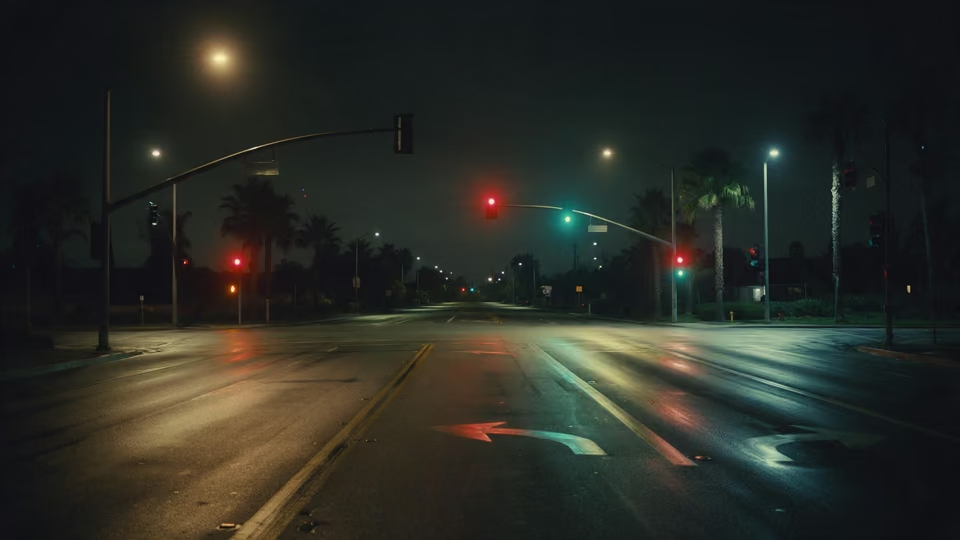
Impaired drivers hurt people who never had a chance to react. The claim changes a little with where you were.
- Walking. A pedestrian has the same claim against the driver, and the uninsured motorist coverage on a household car policy can cover you on foot. See pedestrian accidents.
- Riding a motorcycle. Read your motorcycle policy for uninsured motorist coverage; the injuries in these crashes often exceed a minimum policy many times over. See motorcycle accidents.
- On a city bus. A crash that also involves a public bus or a public road defect brings in a 6-month government claim deadline (Government Code 911.2). See bus accidents.
- In an Uber or Lyft, or hit by one. Which policy pays depends on what the app showed at the moment of the crash. Screenshot the trip. See rideshare accidents.
- Hit by a commercial truck. A driver impaired at the wheel of a work vehicle brings the carrier and its insurer into the case.
If the impaired driver fled the scene, the hit-and-run rules apply as well: a police report within 24 hours and a sworn statement to your insurer within 30 days. See hit-and-run claims.
When a drunk driver kills someone
When a crash kills a parent, a spouse or a child, the family's claim is a wrongful death claim, brought alongside any criminal prosecution and separate from it. The deadline to sue for a death caused by another's wrongful act is generally 2 years (Code of Civil Procedure 335.1), and it does not wait for a verdict in the criminal court. See wrongful death for who may bring the claim and what it covers.
How much does a personal injury lawyer cost in California?
Read the transcript
How much does a personal injury lawyer cost in California?
How much does a personal injury lawyer cost?
No fees unless you get paid. Our fee comes only from what we recover for you.
What you pay along the way: Nothing to hire us; Nothing while the case is open; Nothing by the hour.
A percentage of the recovery, in writing. You sign the agreement before we start. California law does not set the percentage. It is negotiable. Business and Professions Code 6147
Before you sign a settlement, we go through it line by line. The gross amount; Our fee; Each lien; What you receive.
Free consultation. Call and tell us what happened. (855) 691-1691 Hablamos español.
General information about California law, not legal advice for your situation.
If you had been drinking too
Your own drinking does not end your claim. Under California's pure comparative fault rule, your compensation is reduced by your share of the blame, never barred (Li v. Yellow Cab Co.). A cyclist or pedestrian who had been drinking can still recover from a driver who caused the crash.
There is one hard limit. If you were driving under the influence yourself and are convicted for that crash, you cannot recover pain and suffering, though medical bills and lost wages remain (Civil Code 3333.4). The same section bars uninsured drivers from pain and suffering, with one exception that matters here: the owner of an uninsured car can still recover it from a driver convicted of driving under the influence.
Evidence the criminal case can hand you
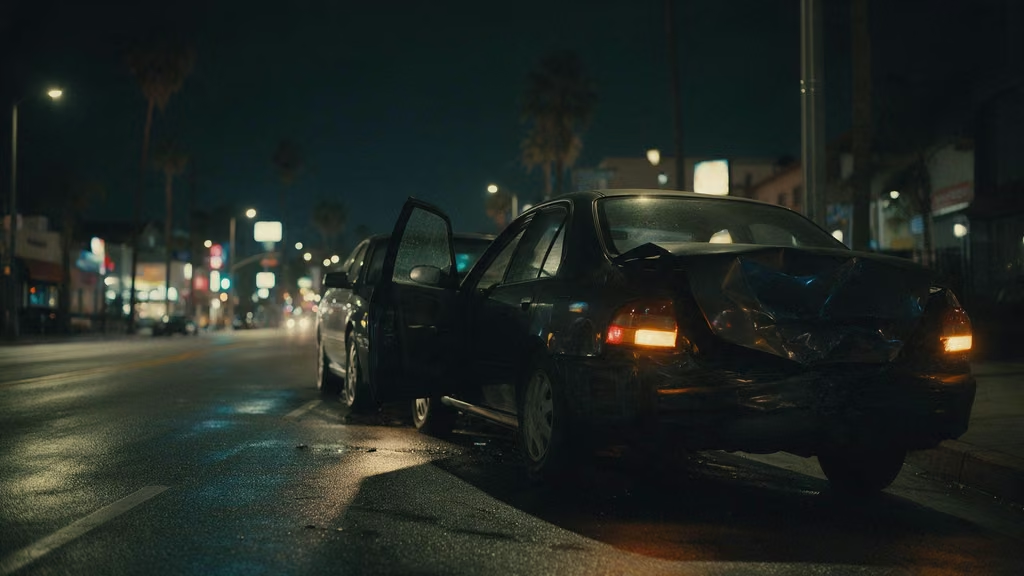
A drunk driving crash usually produces a criminal file, and that file often holds the evidence a civil case would otherwise build from scratch.
- Breath or blood test results, the officer's observations and the field sobriety tests.
- The police report, which names the driver, the insurer and the witnesses.
- Receipts and bar tabs, which show where the driver drank, how much and when.
- Video from the bar, the road and nearby businesses, often recorded over within days or weeks.
- The driver's record, including prior convictions, which can bear on punitive damages.
- Your medical records, which carry the case on damages.
A conviction helps, but it is not required. The civil claim is proved on a lower standard than a criminal case, and it can go forward while the prosecution is still pending. The 2-year deadline to sue runs from the day of the crash either way.
What to do in the first weeks
- Get medical care, and follow it through.
- Get the police report number and the name of the agency that arrested the driver.
- Write down everything the driver did and said, and anything you smelled or saw.
- Keep the names of witnesses and of first responders you spoke with.
- Tell your own insurer promptly and ask what uninsured and underinsured coverage you have.
- Do not give a recorded statement to the impaired driver's insurer before you have advice.
- Keep every bill and pay stub, and a short diary of how the injuries affect your days.
How we work a drunk driving case
- We follow the criminal file. We request the report and, once released, the test results and arrest records.
- We find every policy. Driver, owner, employer, and your own uninsured and underinsured coverage.
- We preserve the bar and road video before it is recorded over.
- We weigh punitive damages against what the driver could actually pay.
You pay no fees unless you get paid. We answer 24 hours a day, 7 days a week. At your request, we can meet you at home or in the hospital. Our intake team speaks Spanish, and we work from 16 offices across California.
Results
We have no published result labelled drunk driving. These are car accident results.
$1.97 million settlement
Car crash, catastrophic injury.
$1 million settlement
Injured in a car accident.
$899,000 settlement
Car crash, extensive treatment.
More on the case results page.
This is general information about California law, not legal advice for your situation.











