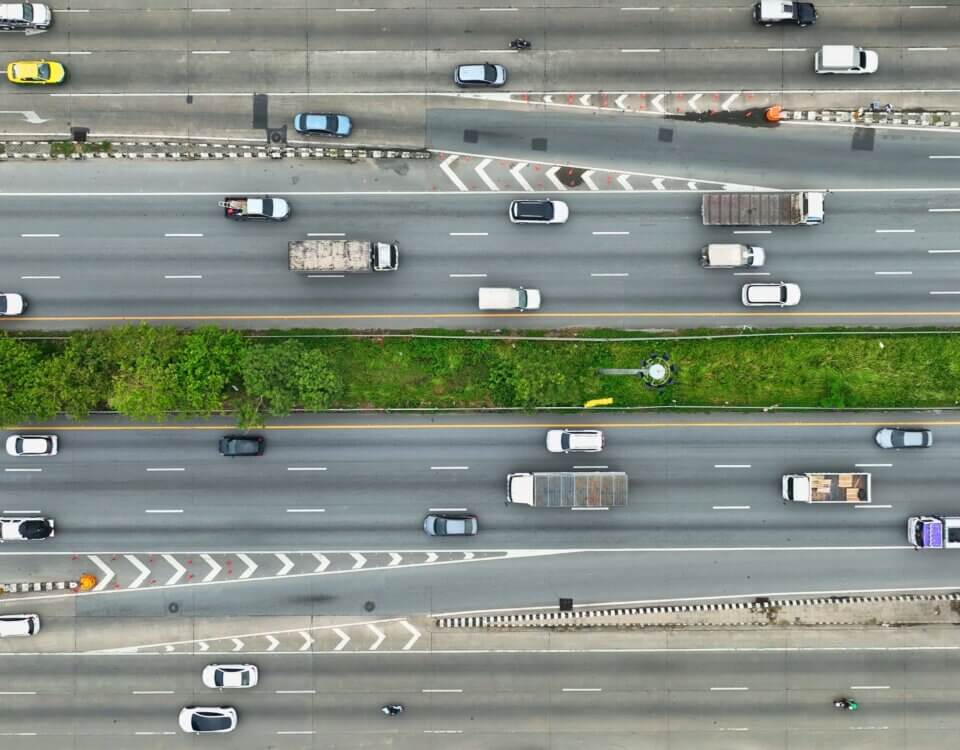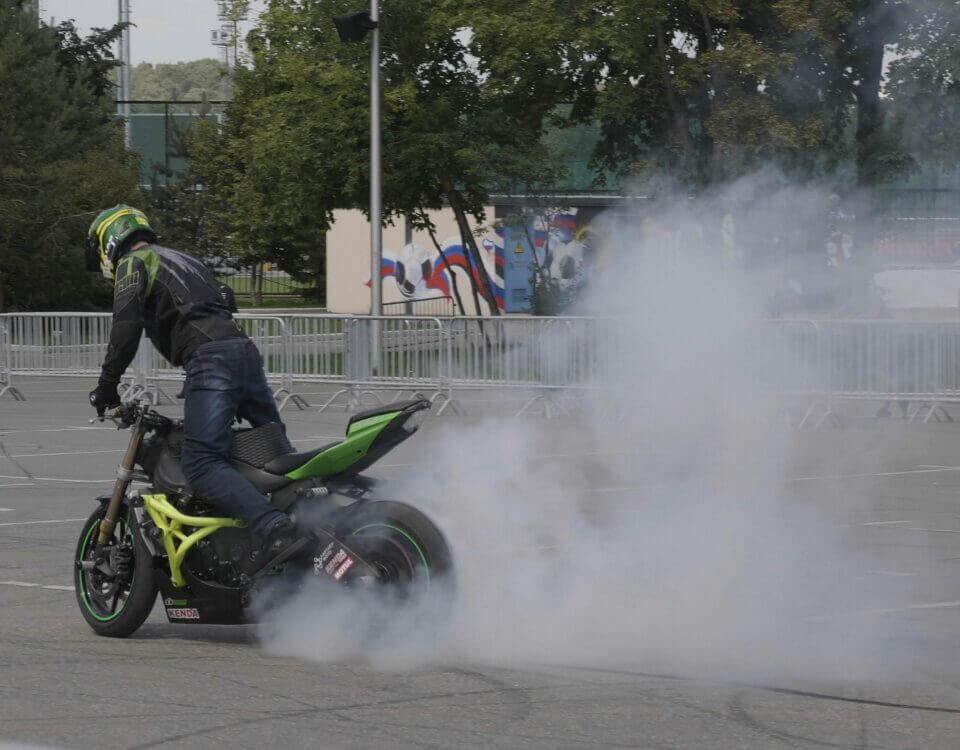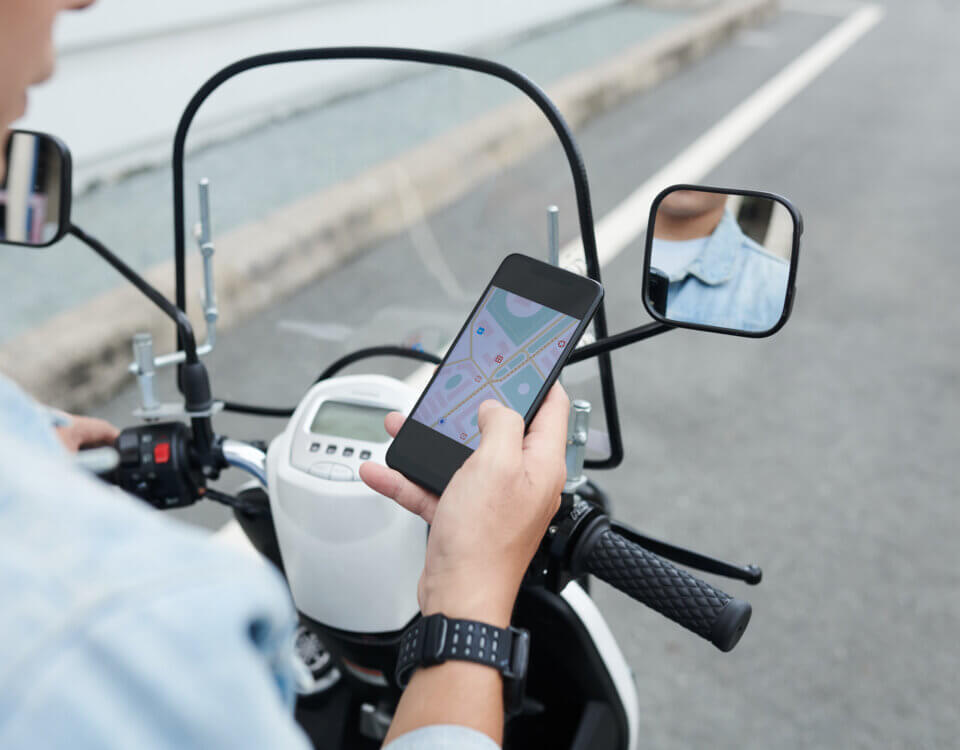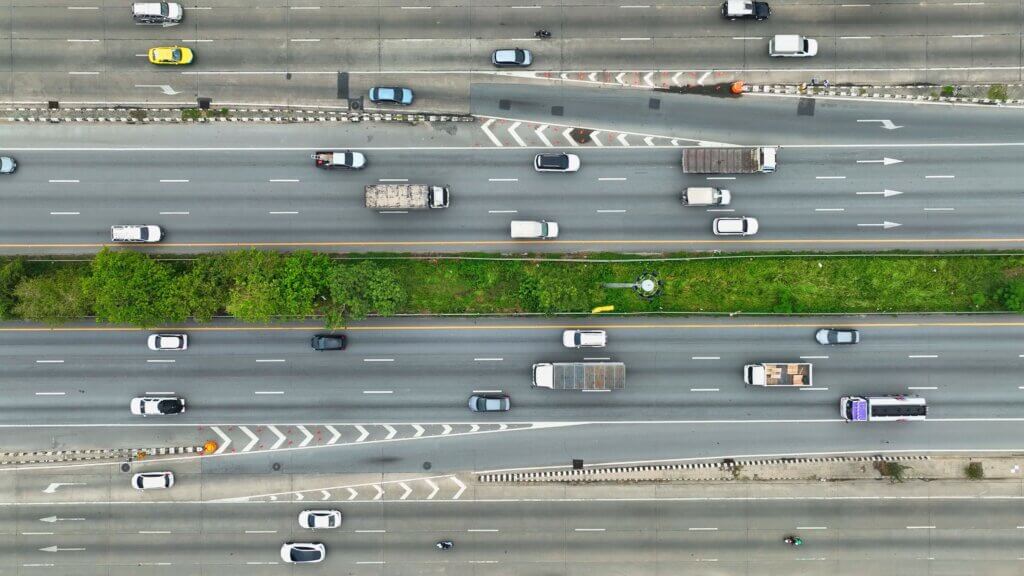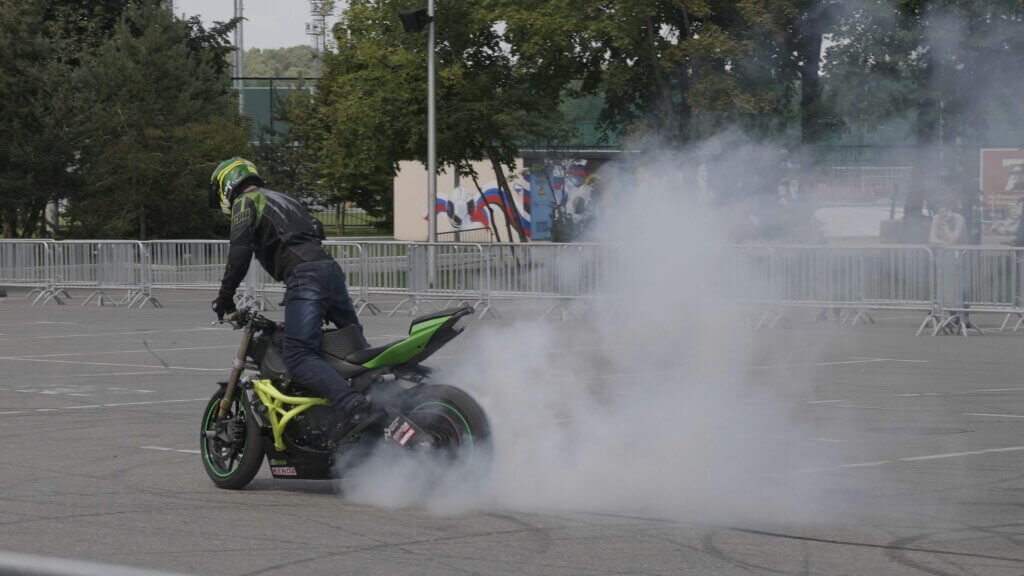
Motorcycles offer freedom and exhilaration but they also carry higher risks than enclosed vehicles. Knowing which crashes happen most often and how injuries occur can help riders stay safer—especially during peak riding season.
Typical Causes of Motorcycle Crashes in California
- Unsafe lane changes when a car fails to check blind spots before merging
- Speeding by either the motorcyclist or another driver reducing reaction time
- Driving under the influence of alcohol or drugs
- Lane splitting or filtering through traffic, which can be dangerous for inexperienced riders
- Sudden stops, either by the motorcyclist or a car ahead stopping abruptly
- Left-turn accidents where drivers misjudge incoming speed or fail to yield
- Poor road conditions such as debris, pavement damage or wet surfaces
- Car doors opening unexpectedly into a rider’s path
Injuries That Riders Frequently Suffer
- Traumatic brain injuries and skull fractures, particularly when helmets are not used or are of poor quality
- Spinal cord damage that can lead to paralysis
- Lower extremity injuries (knees, ankles, feet) often with broken bones or ligament tears
- Internal injuries from blunt force or penetration trauma
- Road rash which can be painful, prone to infection, or result in permanent scarring
- Fractures in arms and wrists from bracing or being thrown off the motorcycle
Safety Measures Riders Should Take
- Always wear a helmet, preferably one that is certified, well-fitted, and in good condition
- Use protective gear: sturdy boots, gloves, jackets and pants made of thick material that cover exposed skin
- Make sure you are visible: bright or reflective clothing, use of headlights day and night, and ride where other drivers can see you
- Keep alert for road hazards including potholes, debris, slick surfaces or weather changes
- Be particularly careful at intersections, especially watching for cars turning left in front of you
- Avoid speeding and riding impaired
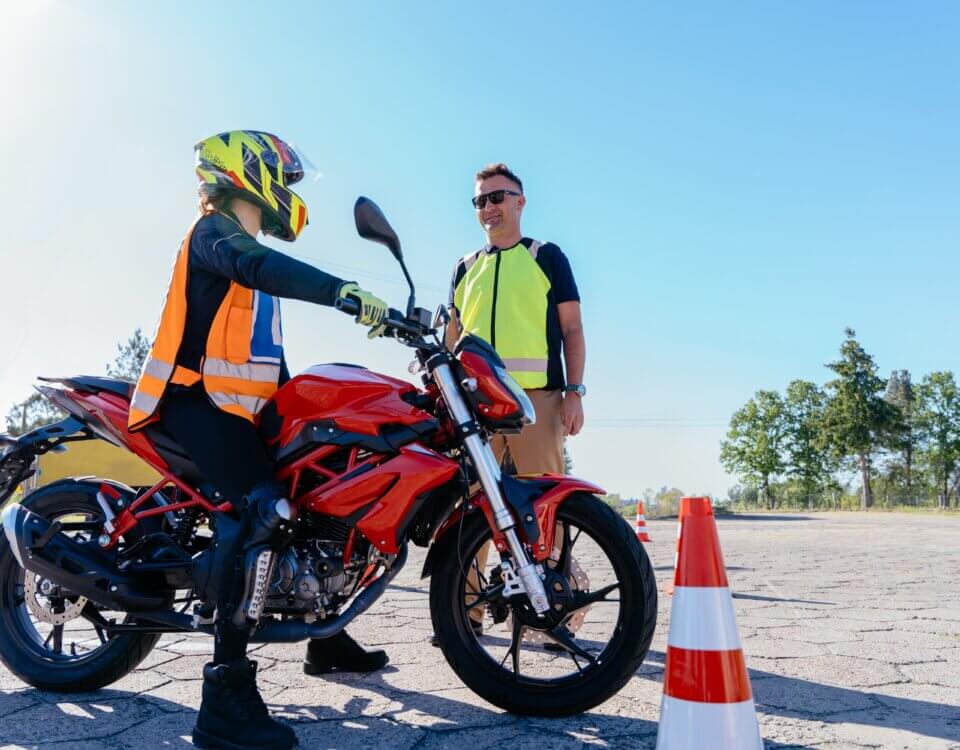
- Take a motorcycle safety course if new to riding or review safety skills if returning after a break
Note: These blog posts are created solely for the use of Hillstone Law. The information is gathered from internet research, publicly available sources, and artificial intelligence (AI) tools such as ChatGPT. While we aim to share helpful and educational content, Hillstone Law does not independently verify every detail. Some information may be incomplete, outdated, or subject to change without notice. If you believe any part of a post is inaccurate, misleading, or infringes upon copyright, please contact Hillstone Law immediately so we can review it and take appropriate action, including correction or removal.
Disclaimer: The material provided in these blogs is for general informational purposes only and should not be considered legal advice. Reading these posts does not create, and is not intended to create, an attorney-client relationship with Hillstone Law. Our intent is to share knowledge, raise awareness, and provide helpful resources to the public; however, Hillstone Law makes no warranties or guarantees about the accuracy, completeness, or reliability of the information provided, and expressly disclaims liability for any actions taken in reliance on it. The photos used in these posts are for illustrative purposes only and do not depict actual clients, individuals, or incidents unless expressly stated. If you or a loved one has been injured in an accident, please contact Hillstone Law at (855) 691-1691. Our attorneys are available to answer your legal questions and help you understand your rights.