California’s highways and rural roads are essential for commerce, but some routes are notoriously dangerous for large trucks. State and local agencies are taking action to make these roads safer for both commercial drivers and the public.
Identifying High-Risk Routes
- Sections of I-5, Highway 99, and Highway 17 have a history of serious truck accidents.
- Steep grades like Donner Pass and the Grapevine create challenges for braking and control.
- Rural highways with narrow lanes and poor lighting increase collision risks.
Statewide Safety Measures
- Infrastructure Upgrades: Adding wider shoulders, guardrails, and improved signage.
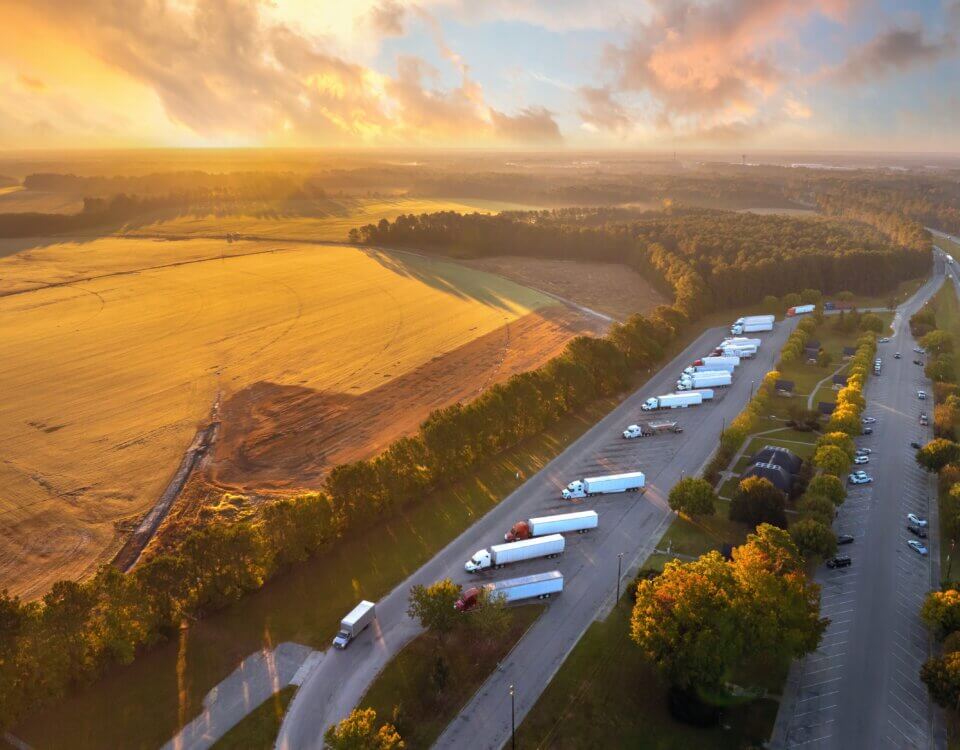
- Rest Area Improvements: Ensuring truckers have safe places to stop and avoid fatigue.
- Speed Enforcement: Deploying additional highway patrol units on known dangerous stretches.
- Technology Investments: Using traffic cameras and real-time alerts to warn of hazards.
Local Government and Community Initiatives
- Public hearings to gather input from residents about truck traffic concerns.
- Restrictions on truck routes through sensitive areas such as schools or residential neighborhoods.
- Partnerships with trucking associations to promote driver training and safety awareness.
What Drivers Can Do
- Plan routes carefully and avoid known high-risk areas when possible.
- Monitor weather and traffic updates before entering mountain passes or steep grades.
- Practice defensive driving, especially on narrow or poorly lit roads.
Building Safer Roads Together
Reducing accidents on dangerous truck routes requires collaboration between state agencies, local governments, trucking companies, and drivers. By improving infrastructure, enforcing safety standards, and fostering community engagement, California is making progress toward safer roads for everyone.
Note: These blog posts are created solely for the use of Hillstone Law. The information is gathered from internet research, publicly available sources, and artificial intelligence (AI) tools such as ChatGPT. While we aim to share helpful and educational content, Hillstone Law does not independently verify every detail. Some information may be incomplete, outdated, or subject to change without notice. If you believe any part of a post is inaccurate, misleading, or infringes upon copyright, please contact Hillstone Law immediately so we can review it and take appropriate action, including correction or removal.
Disclaimer: The material provided in these blogs is for general informational purposes only and should not be considered legal advice. Reading these posts does not create, and is not intended to create, an attorney-client relationship with Hillstone Law. Our intent is to share knowledge, raise awareness, and provide helpful resources to the public; however, Hillstone Law makes no warranties or guarantees about the accuracy, completeness, or reliability of the information provided, and expressly disclaims liability for any actions taken in reliance on it. The photos used in these posts are for illustrative purposes only and do not depict actual clients, individuals, or incidents unless expressly stated. If you or a loved one has been injured in an accident, please contact Hillstone Law at (855) 691-1691. Our attorneys are available to answer your legal questions and help you understand your rights.